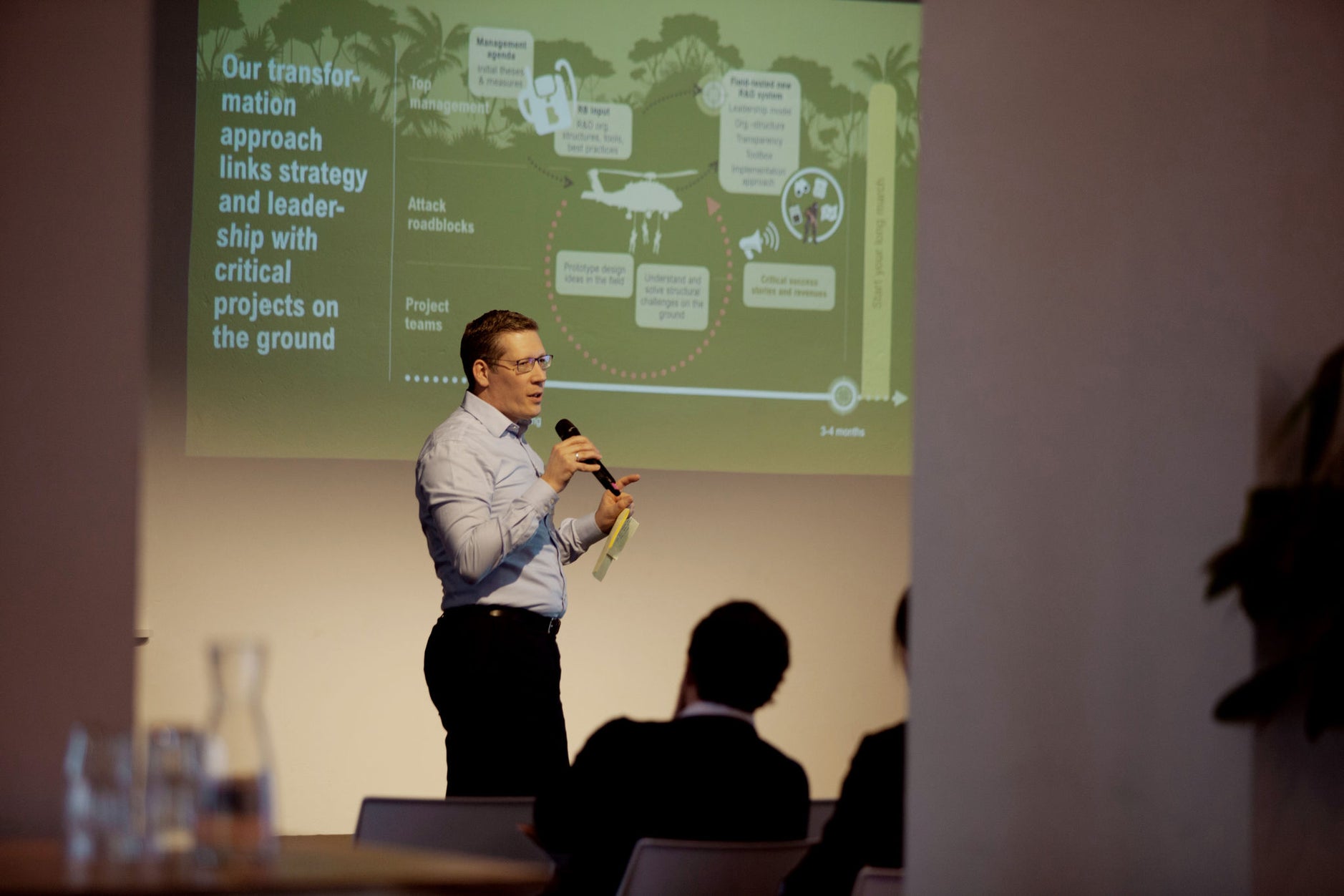
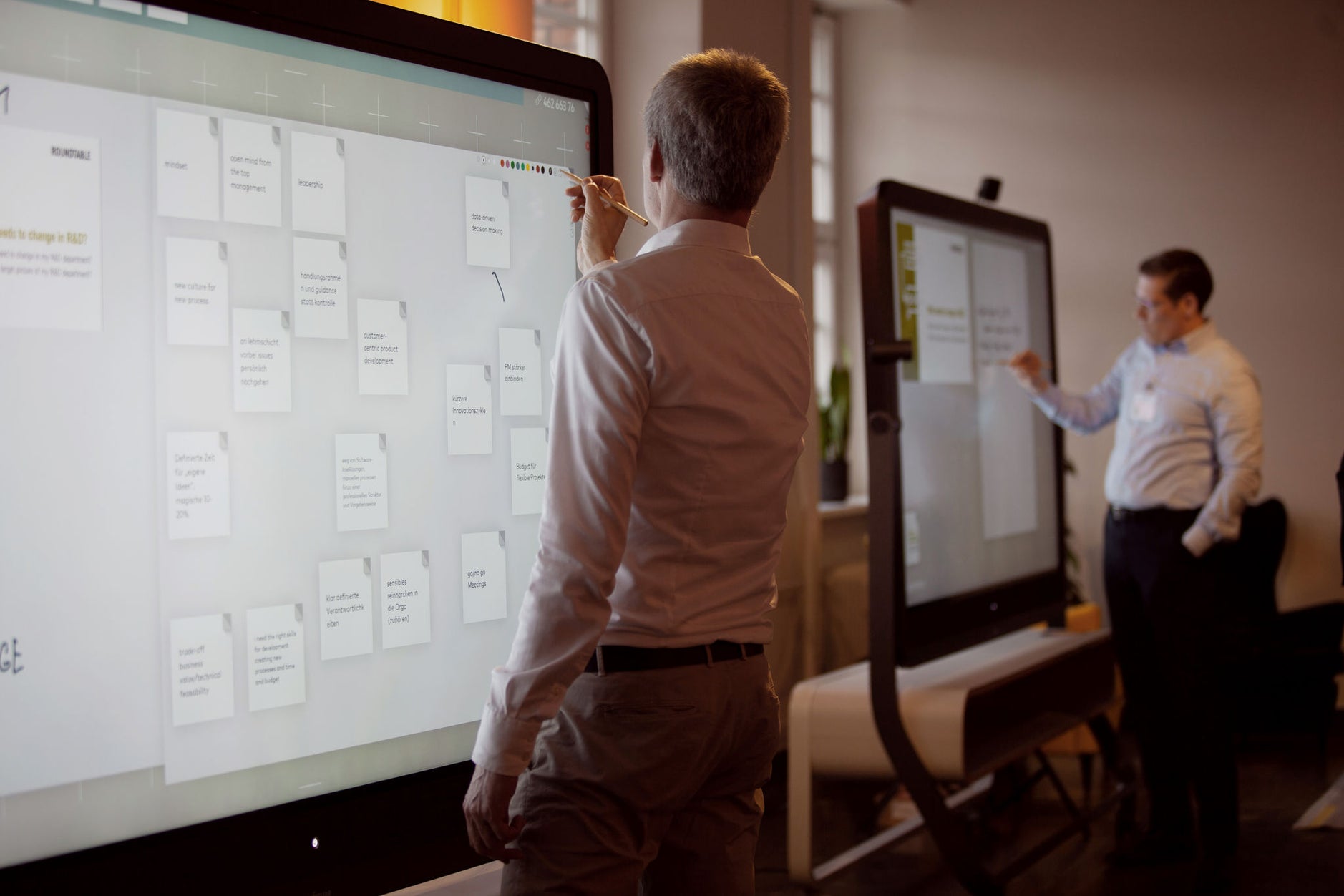
The participants of the OPERA R&D Lab 2020 confirm what is daily routine for many companies: R&D projects are often blocked and inefficient. Surprisingly, one of the main reasons is not the development process itself, but problems in internal coordination. These problems are often caused by the thankless position of middle management: a sandwich position between project teams and management. On the one hand, project teams often lack understanding about the (internal) customer, internal/external feedback and clear prioritization. On the other hand, the management level lacks the necessary trust, support and willingness to take risks. Middle management can take corrective action here, but often fails to meet the requirements in practice. They lack the necessary in-depth understanding of the product, the ability to make comprehensive decisions and the pioneering spirit to explore new topics. The result: budgets are undermined, deadlines are not met and a high pressure of control by the management.
The R&D guerilla approach has the potential to solve the problems of critical projects - The first step towards a holistic R&D transformation
Not every development project is suitable for a guerrilla approach, since not every project needs to be carried out outside the clearly regulated R&D processes. The roundtable discussions, however, show clear decision criteria for "critical R&D projects":
- A high pressure to act: Management defines a clear strategic focus or the company is under pressure to act due to market changes or dynamics
- New R&D competences are needed: The project is moving along new technologies, the necessary internal knowledge and skilled personnel are not available and the maturity of the R&D organisation is not sufficient
- High investment required/ at risk: The project is either expected to have a high financial value for the company or the necessary investment is significantly higher than usual