The energy transition runs on batteries
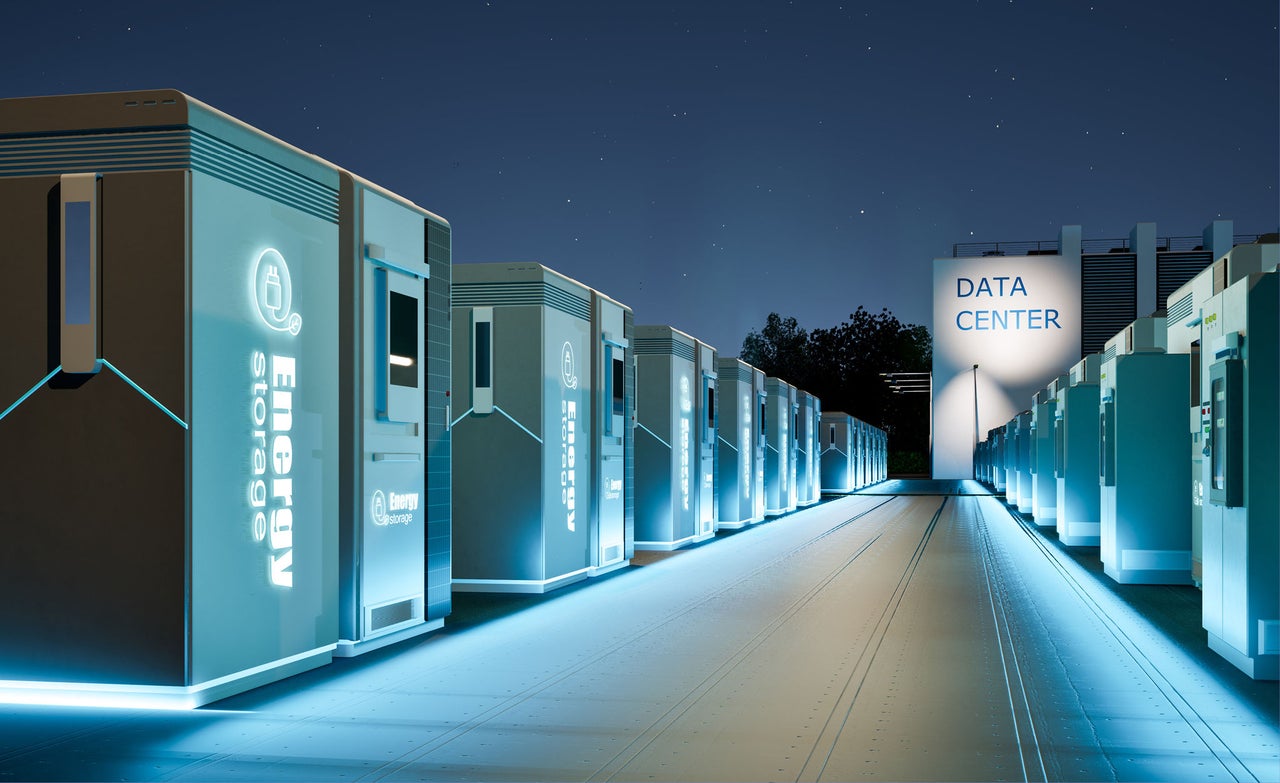
The global battery market is at a pivotal inflection point. Demand for lithium-ion batteries is forecast to grow at a CAGR of around 20% through 2032, driven by the accelerating transition to electric vehicles, rapidly expanding stationary energy storage for grids and data centers, and the electrification of commercial vehicles. The stationary energy storage systems (BESS) segment alone is projected to more than triple in size between 2024 and 2030.
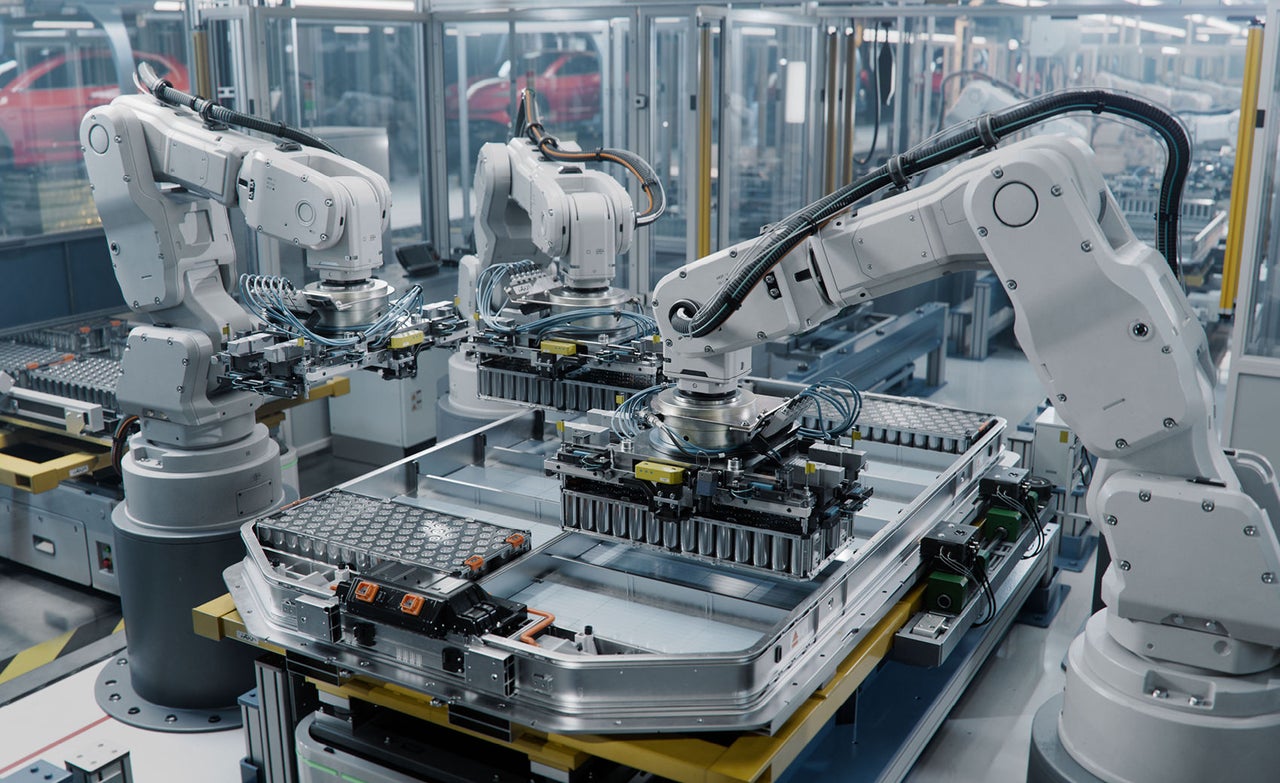
Yet the opportunity comes with compounding complexity. Battery architectures are evolving fast – solid-state cells, sodium-ion chemistries, and next-generation anode materials are all challenging the dominance of conventional lithium-ion. Battery prices have fallen dramatically over the past decade, but cost pressure, raw material volatility, and high scrap rates in cell manufacturing continue to squeeze margins across the value chain. Investors and equity markets are recalibrating their expectations as the early hypergrowth phase matures, which is reflected in the recent pressure on battery-related stocks.
For engineering leaders, product managers, and executives, the stakes have never been higher. Decisions made today on cell chemistry, pack architecture, safety validation, and supply chain structure will define competitive position for the next decade.
Where battery projects succeed or fail
The battery market is no longer simply "booming" – it has entered a more complex phase characterized by short-term turbulence against powerful long-term demand tailwinds. Companies that get this right will combine a clear market view with the engineering and commercial depth to act on it.
At Roland Berger, we believe the companies that will lead this next phase are those that close the gap between strategic intent and engineering execution. That means making rigorous, evidence-based decisions on battery architecture and cell selection, designing for manufacturability and safety from day one, managing supplier and regulatory risk proactively, and building commercialization roadmaps that are grounded in real cost and performance data.
Breakthroughs in battery technology are real but uneven in their commercial readiness. Solid-state batteries promise step-change improvements in energy density and safety, but timelines to mass production remain uncertain. Meanwhile, incremental improvements to lithium iron phosphate (LFP) and NMC chemistries continue to deliver meaningful gains today. In practice, the most commercially successful battery programs tend to be built on well-understood chemistry, optimized for the specific application, rather than the technology attracting the most headlines.
Read more about how we have helped clients across the globe achieve success in the battery sector