Most Middle Eastern countries have outlined their net-zero targets and are formulating plans to achieve those targets. Given the high contribution of the mobility sector to rising emissions, the sector is a core focus of emission reduction endeavors.
Total GHG emissions in the Middle East have almost doubled in the last 20 years and continue to rise steadily. Around 16% of these emissions can be attributed to the mobility sector, including road, domestic aviation. In addition to this domestic burden, the Middle East accounts for a significant portion of the emissions from international shipping and air travel.
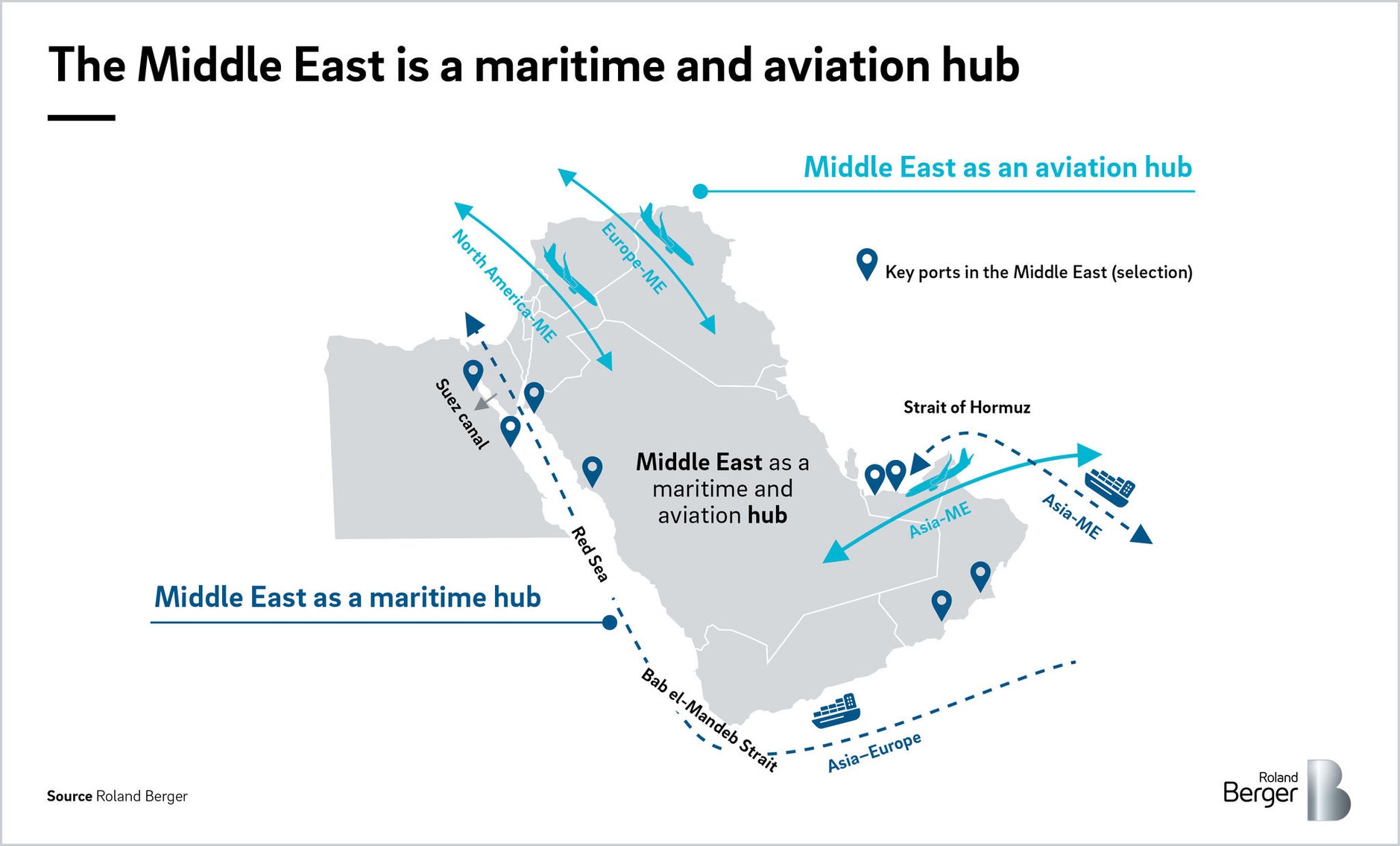
Owing to its strategic geographic location, the region serves as a natural passage for a large chunk of global maritime and aviation cargo and passenger traffic. As a maritime hub, more than 10% of all global trade passes through the Strait of Hormuz and the Bab El-Mandeb. Over 40% of global container capacity passes through the Red Sea and the Suez Canal. In 2020, the Middle East accounted for 17% of global air passenger traffic and 15% of global air freight. This strategic location is an ideal place for ships and planes to refuel, making the region an optimal place to push for decarbonization.
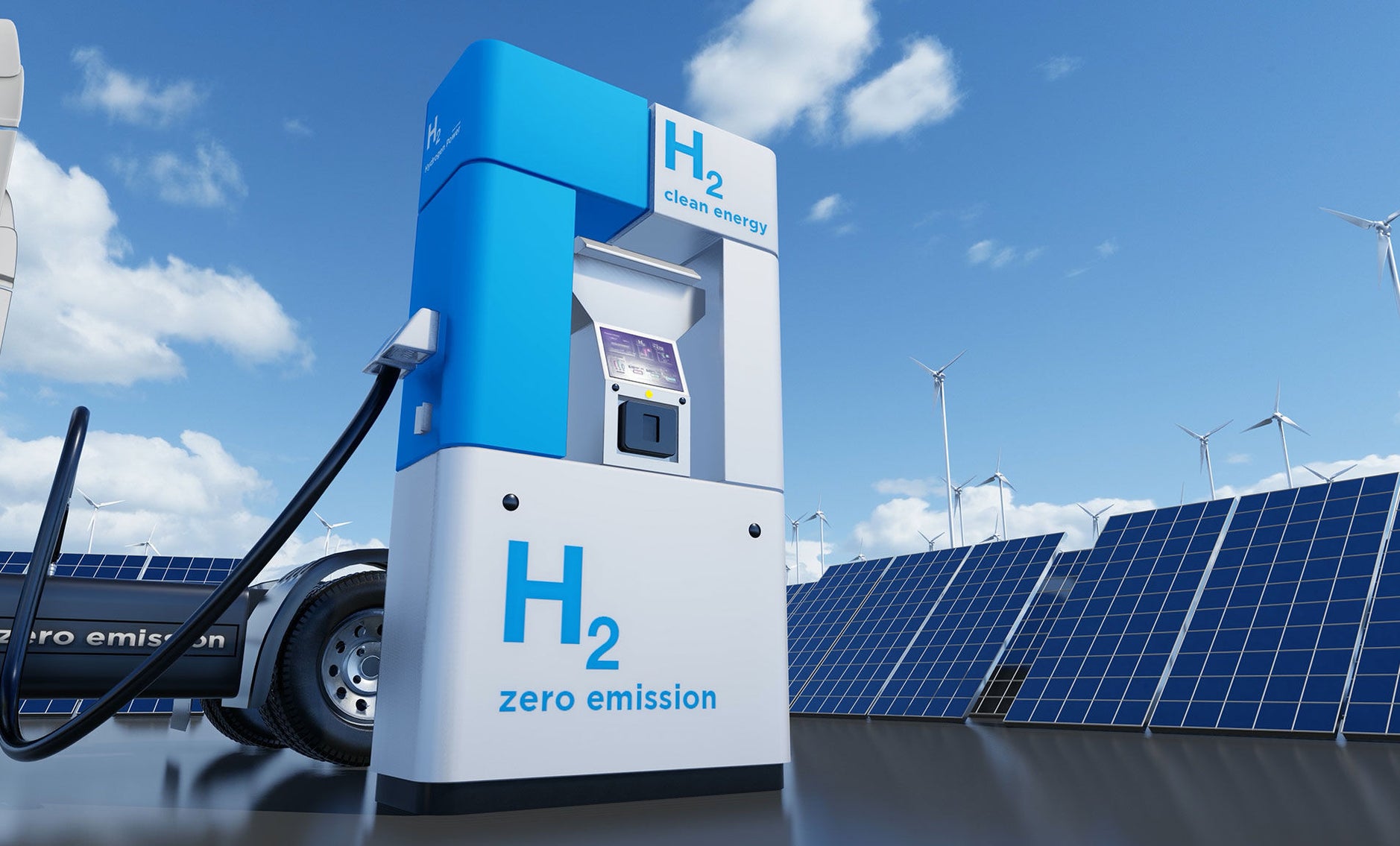
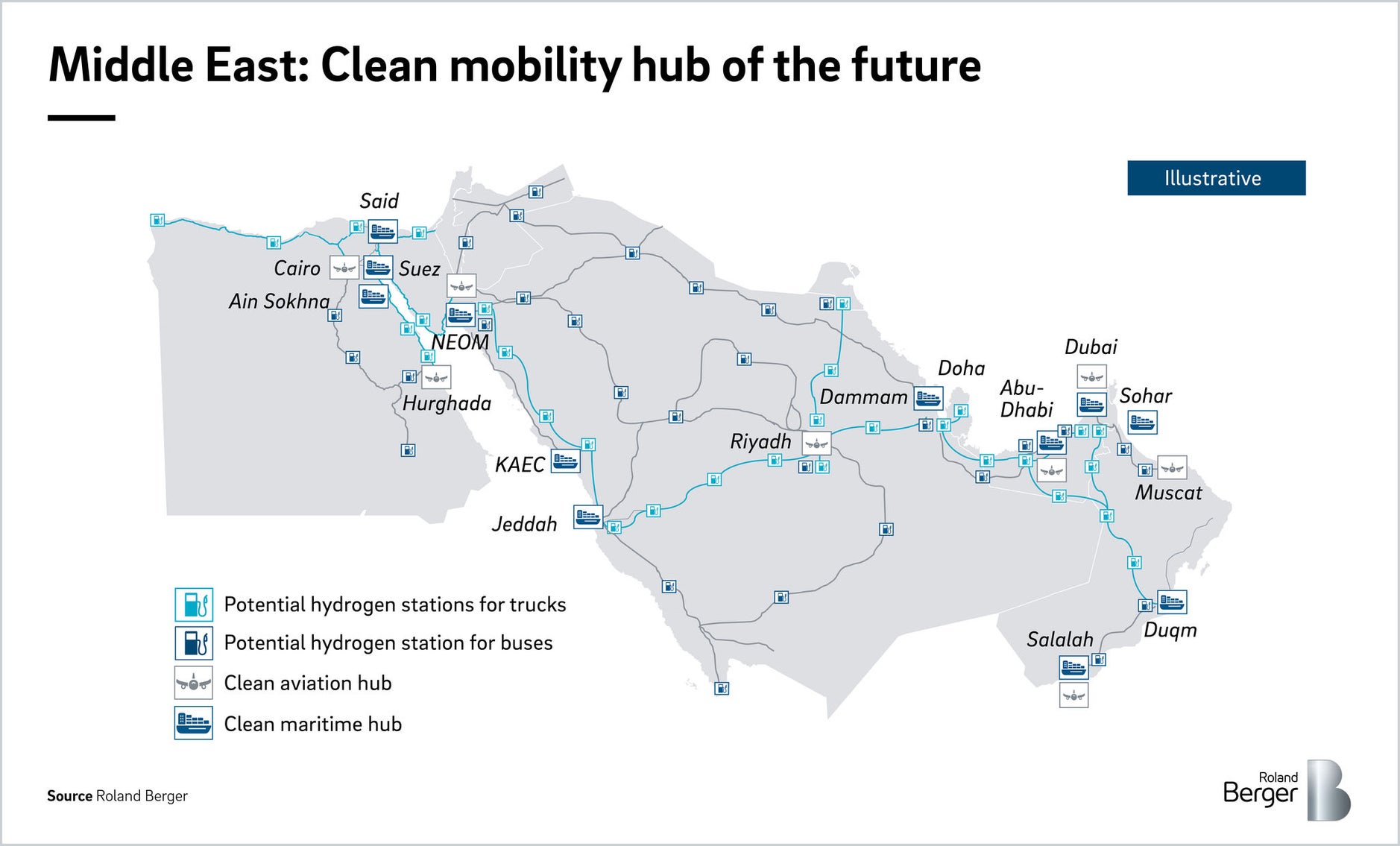
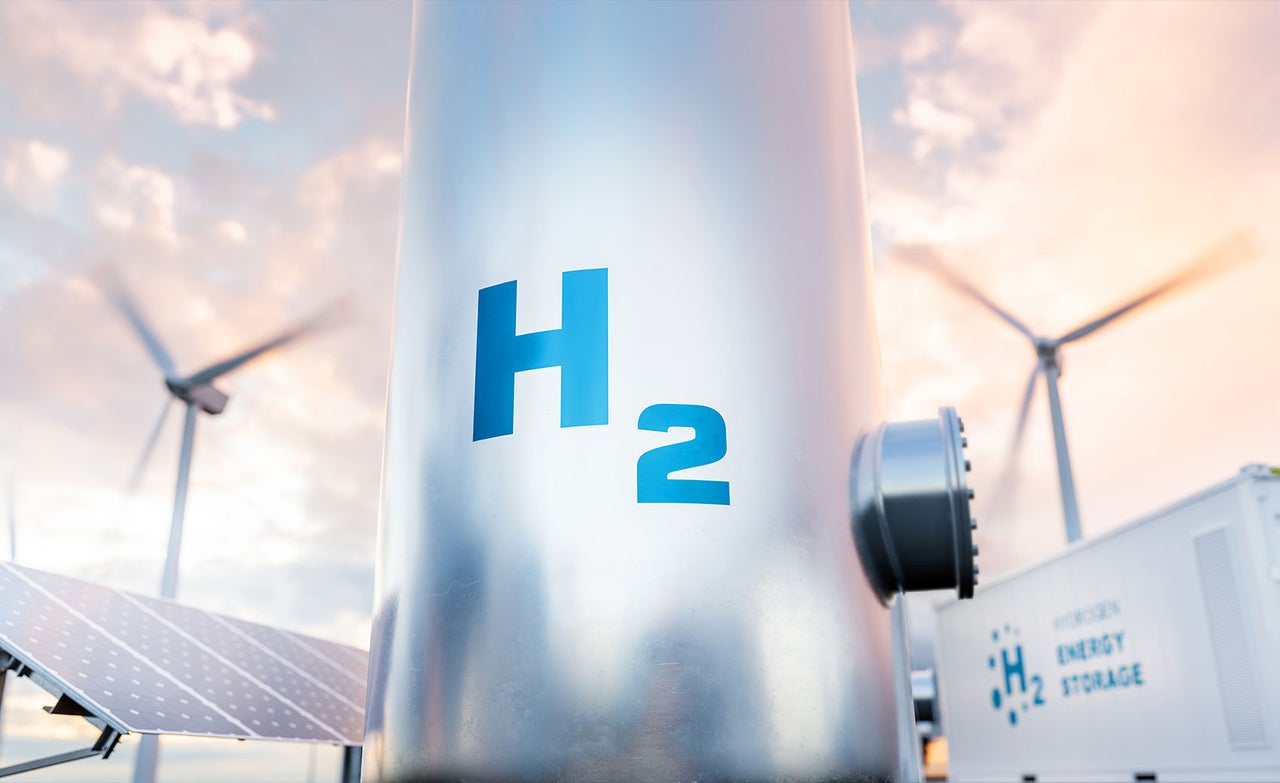
While electrification is suitable for decarbonizing smaller vehicle types, hydrogen is currently a very trustworthy approach to decarbonize heavy-duty modes of transportation like aircraft, ships, trucks, and buses. Road transport can use hydrogen or derived e-fuels like e-CNG and e-MeOH; trains can utilize hydrogen fuel cells; aircraft can use hydrogen or e-kerosene; and maritime sector can use green ammonia or methanol for deep water vessels.