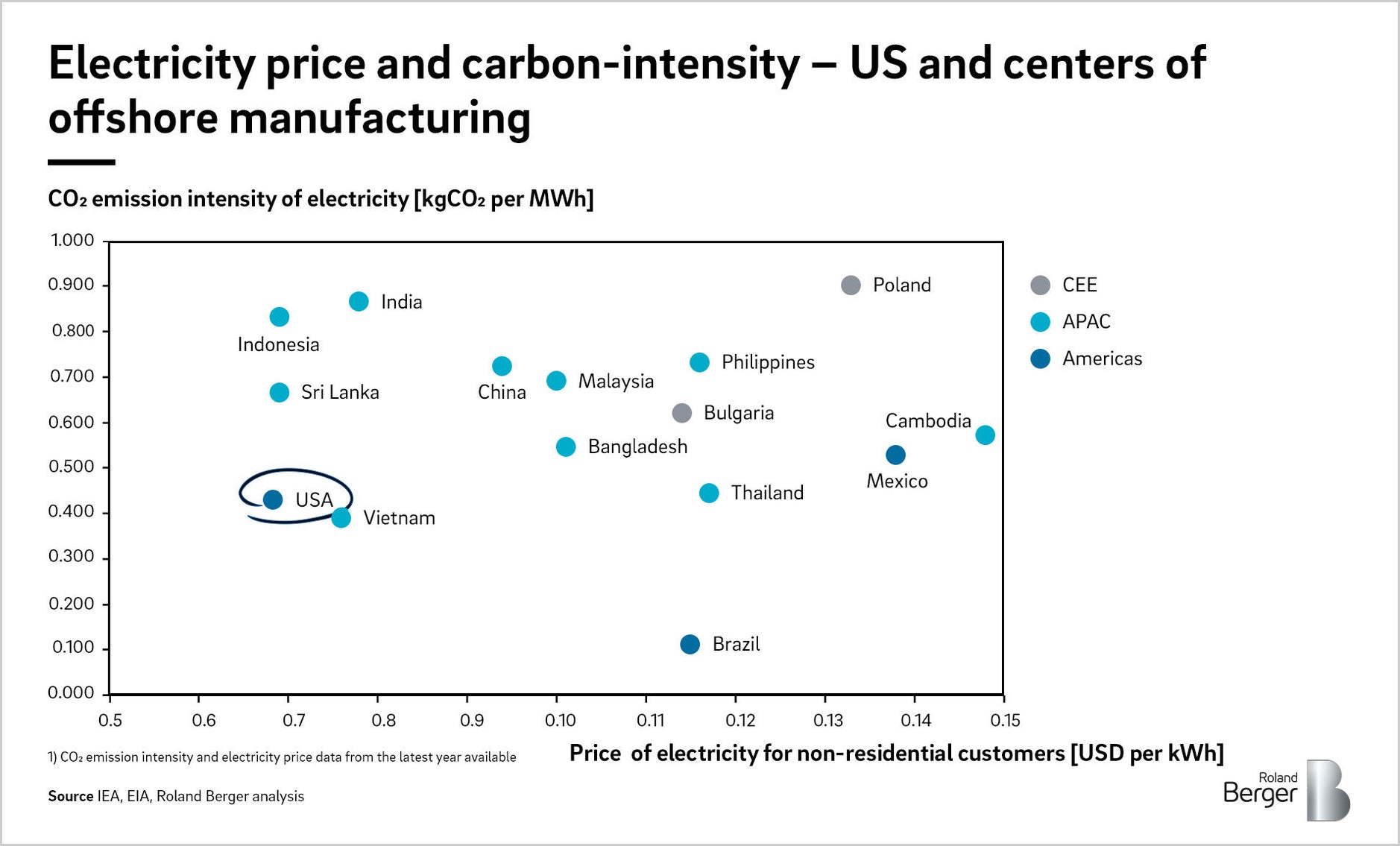
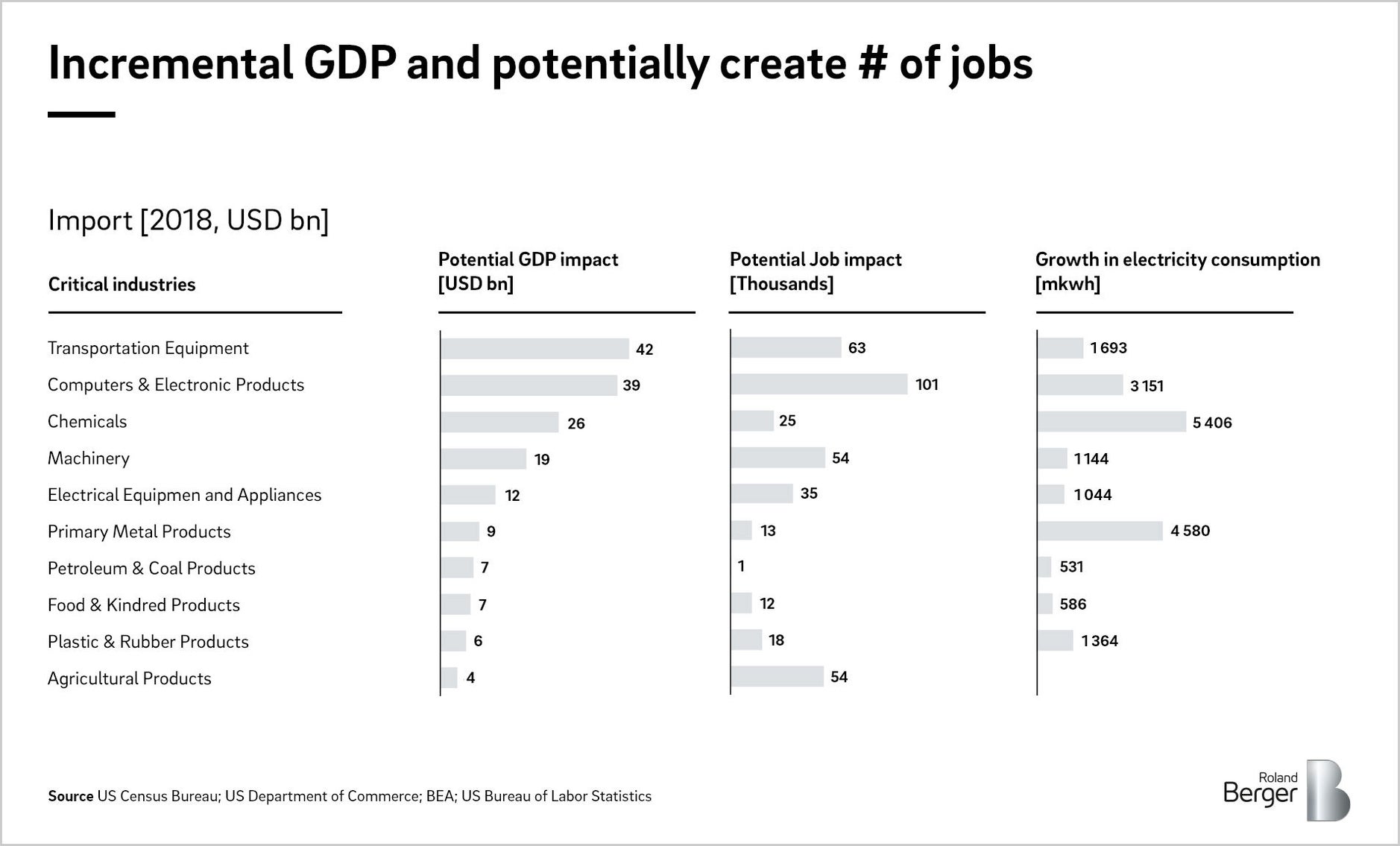
COVID-19 has provided vivid examples of the vulnerabilities associated with complex global supply chains. The repatriation of "critical" industries will be an important topic in the coming policy debate around economic re-development post COVID-19. Politics – international and national - combined with the increasing convergence of labor cost are reducing the attractiveness of relying on far-flung supply chains. We believe that a relatively novel factor - the availability of low-cost decarbonized energy – could play an important role in determining which sectors actually (re)locate to North America, and where they choose to site their facilities in order to create the greatest comparative advantage. The US energy sector, especially its utilities, can play an important role in creating opportunities for local communities to welcome back manufacturers with low priced, low carbon energy, while creating hundreds of thousands of jobs for Americans.
The revenge of distance
Among its many impacts on our lives, the COVID-19 pandemic is redefining the modern world's experience of space. On the one hand, we're finding that on-line communication can effectively replace what, a few weeks ago, seemed like essential in-person meetings and working sessions. On the other hand, the physical distances that the fossil-fueled transportation revolution erased last century have resurfaced as meaningful limits on modern life, in the form of shortages of essential goods. Policy makers, pundits, and business leaders have been outraged to learn that essential medical supplies or critical supply chain components for a host of industrial and consumer goods are simply not physically available where they're needed. And many are demanding that these "essential" industries – with very elastic definitions of "essential" - return onshore to the US.
In many ways, this resilience-inflected demand for onshoring merely reinforces the political and economic reaction against globalization following the Great Recession. The current US administration's willingness to actively employ tariffs and trade sanctions has exposed the risks of dependence on Chinese supply sources. Geopolitics aside, the convergence of labor costs - together with increasing use of automation, reduces the value of offshoring to arbitrage labor costs. China, the largest exporter globally, has seen significant erosion in its cost advantage. The gap between US and Chinese wages is narrowing rapidly. Chinese wages are rising, doubling in the past decade and outpacing labor productivity growth, while the labor cost in the US only increased by 15% in the same period. In addition, the value of yuan has strengthened significantly since its admission to the GATT/WTO in 2001, making China's exports more expensive.
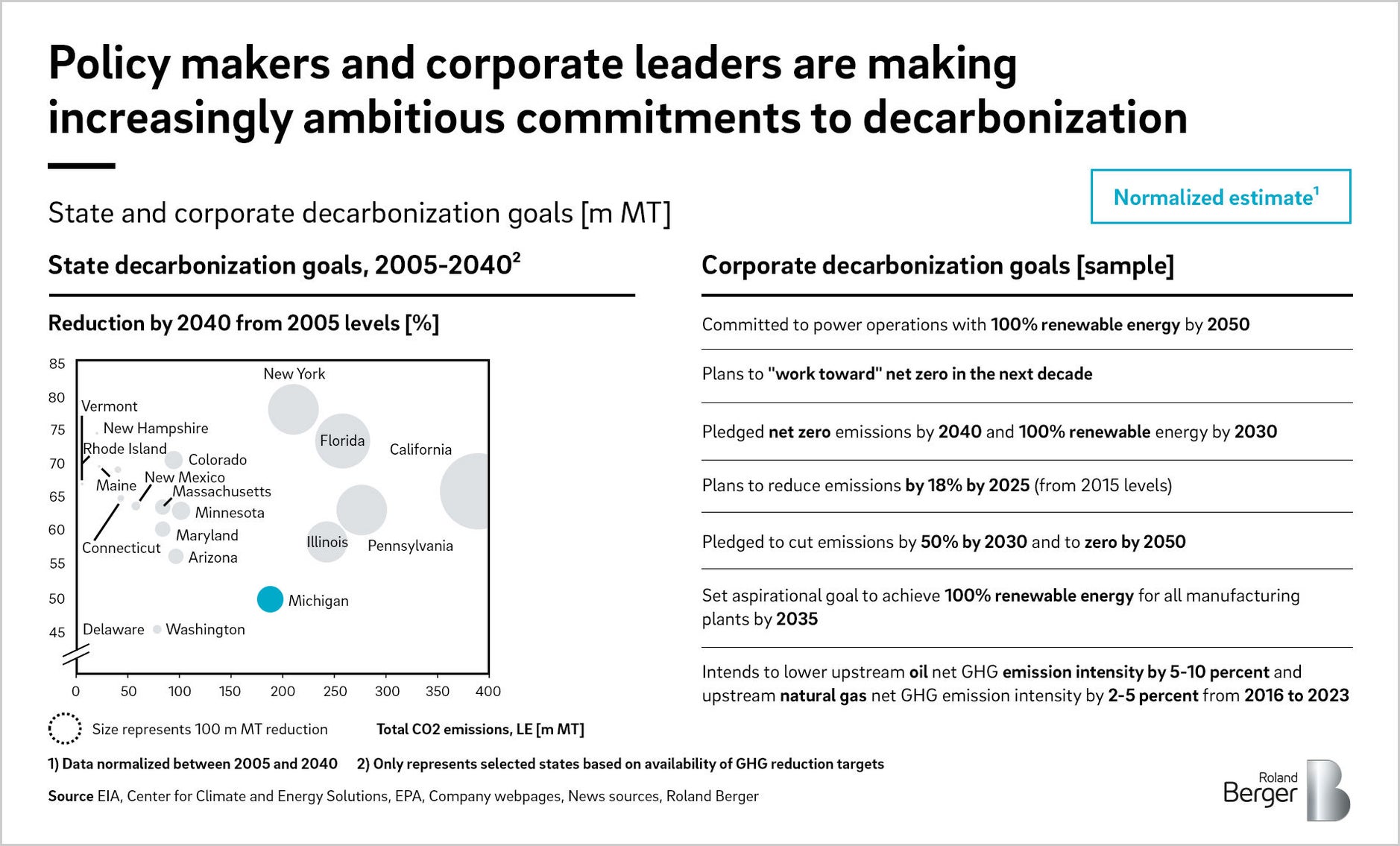
An increasingly important set of considerations involves the growing importance of environmental and energy-related issues impacting manufacturing (see Figure 1 below). Consumer and investor sensitivity to ESG-related issues, including GHG footprint, has risen substantially over the past decade. ESG-related disclosures, including information on companies' GHG intensity or "footprint" are increasingly de rigueur for PE firm's portfolios as well as for publicly list firms, and ESG-themed ETFs and mutual funds continue to gain in popularity.