Roland Berger: To kick things off: what is Skyports’ overall vision?
Duncan Walker:
Urban air mobility (UAM)
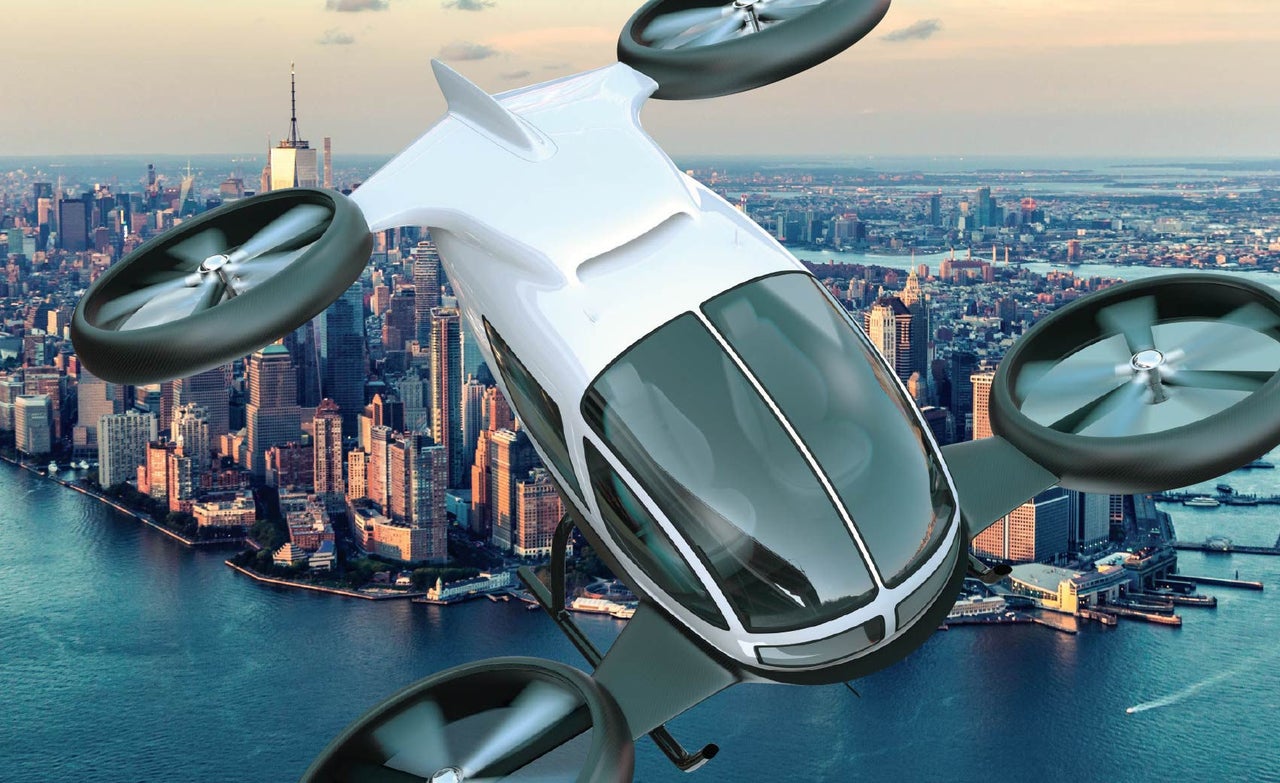
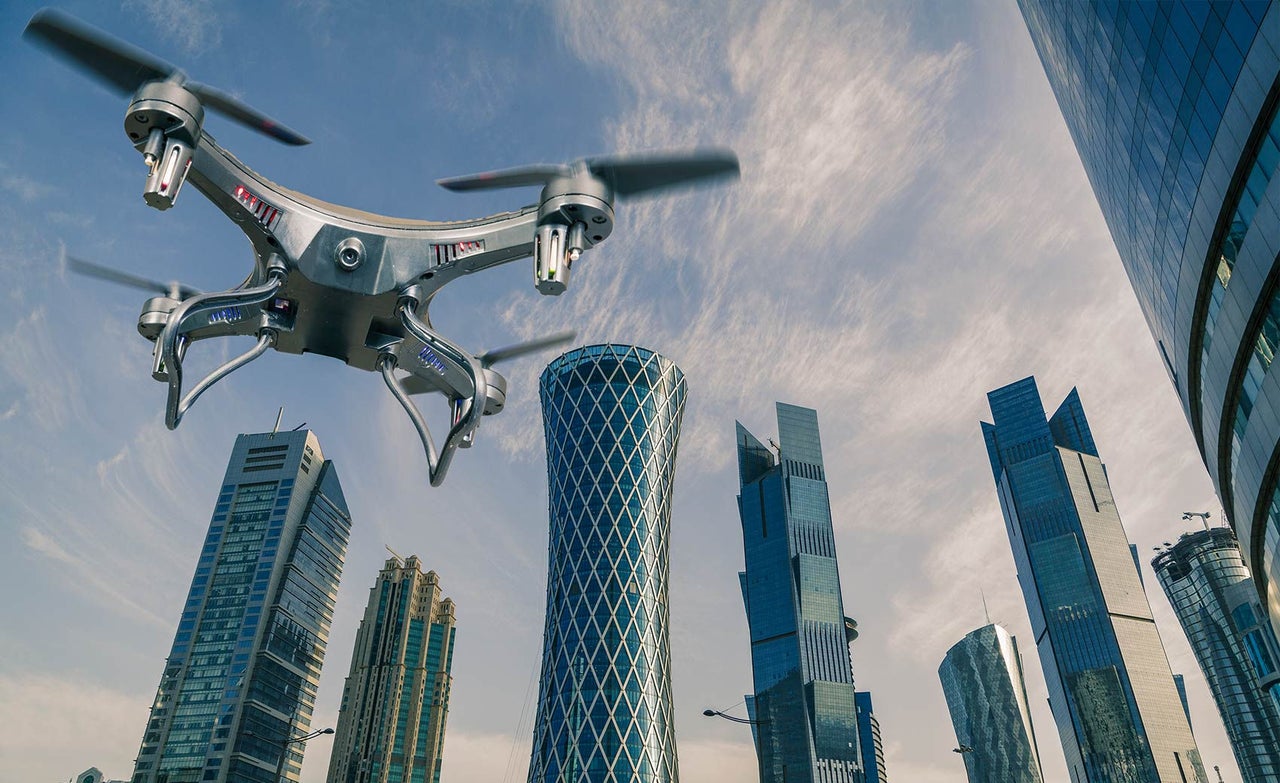
is a real thing - it's coming, it's going to be huge, and it's going to transform how goods and people move around. In an environment where populations are increasing, urbanising, and ground infrastructure is incredibly expensive, airspace is an underutilised resource which we can now capitalise upon.
There's two sides to how we work. The first is enabling utilisation of airspace by providing access. We identify an underserved part of the emerging drone ecosystem to be infrastructure, and we see ourselves as an enabler of UAM by providing that infrastructure for the market.
Secondly, we are a user of the airspace ourselves through the operating and delivery side of the business - our focus is on cargo deliveries. That's manifested from the perspective that lots of great technology has emerged, but there's no service market around it yet. There are many brilliant vehicle manufacturers, but they are finding problems to solve with the drones they've built, and not necessarily targeting the big real-life problems. One company might make a drone that carries 2kg, another 6kg, but because they're not made by the same company you've got people trying to pick off very specific parts of the network. Our vision there is that real-world problems are bigger and more complicated, and we want to try and solve those by creating an integrated solution using lots of different equipment manufacturers.
Roland Berger: Let's focus on infrastructure: can you paint a picture for our readers of what this entails?
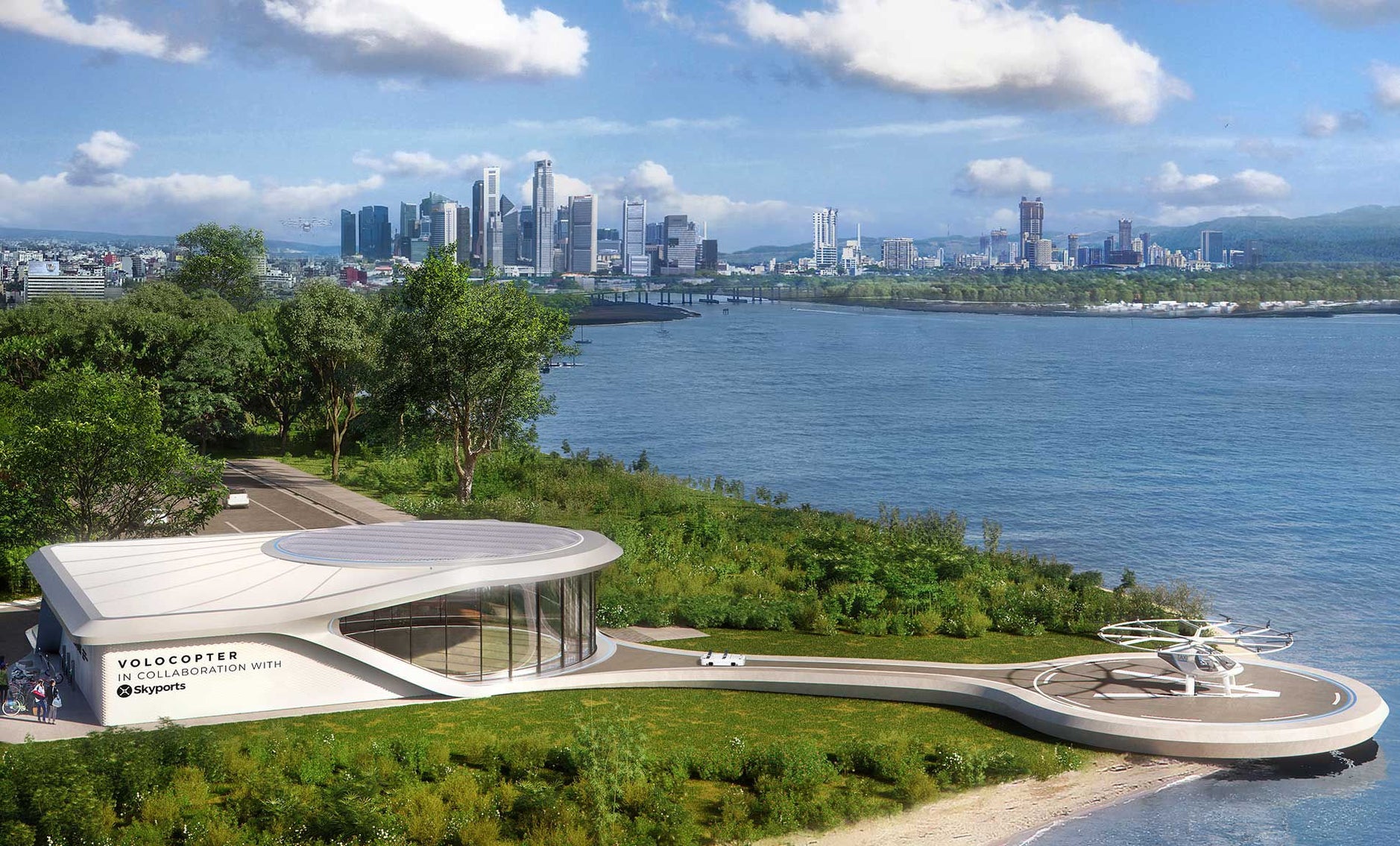
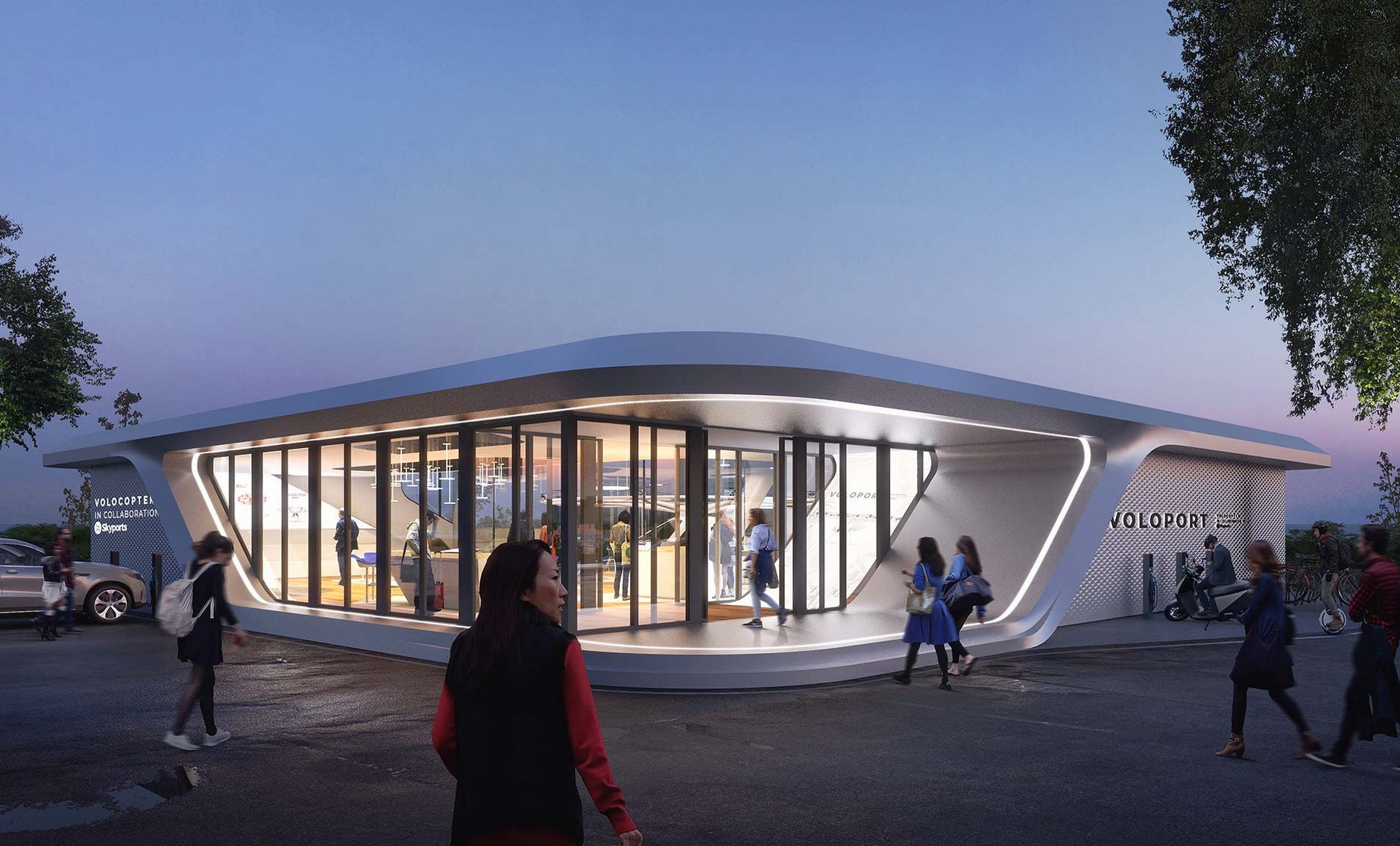
Duncan Walker: One key part of UAM infrastructure is passenger or cargo vertiports. The aim for both is exactly the same – to find well-located landing spots, enabling people or goods to move around by air. Our service includes all the ground-based operations for urban aviation, from building the physical vertiport to recharging/battery swapping, cleaning and basic vehicle maintenance. We are agnostic to the vehicle providers and will offer a level of service to suit everyone.
Modularity is a key part of the design process we're going through at the moment, because we want to deploy these at scale and at a reasonable price point. Realistically, different rooftops have different constraints and different sizes, but we're modularising in two senses: firstly, flexibility with respect to vertiport demand as it increases over time, so that we can expand capacity as required, and secondly, in the economies of scale gained by being able to leverage the same design multiple times.
Our current vertiports are for VTOLs (vertical take-off and landing aircraft) only. I'd be delighted if VSTOLs (very short take-off and landing aircraft) work, because it's just another node/part of the network, and maybe over time we will look at them. Our thesis is that the dense, urban environments have highest value, with the most people and goods to be moved, but over time the VSTOL/regional network will also build out. We’re not part of that yet, but if it takes off then we will be happy to work on that as well.