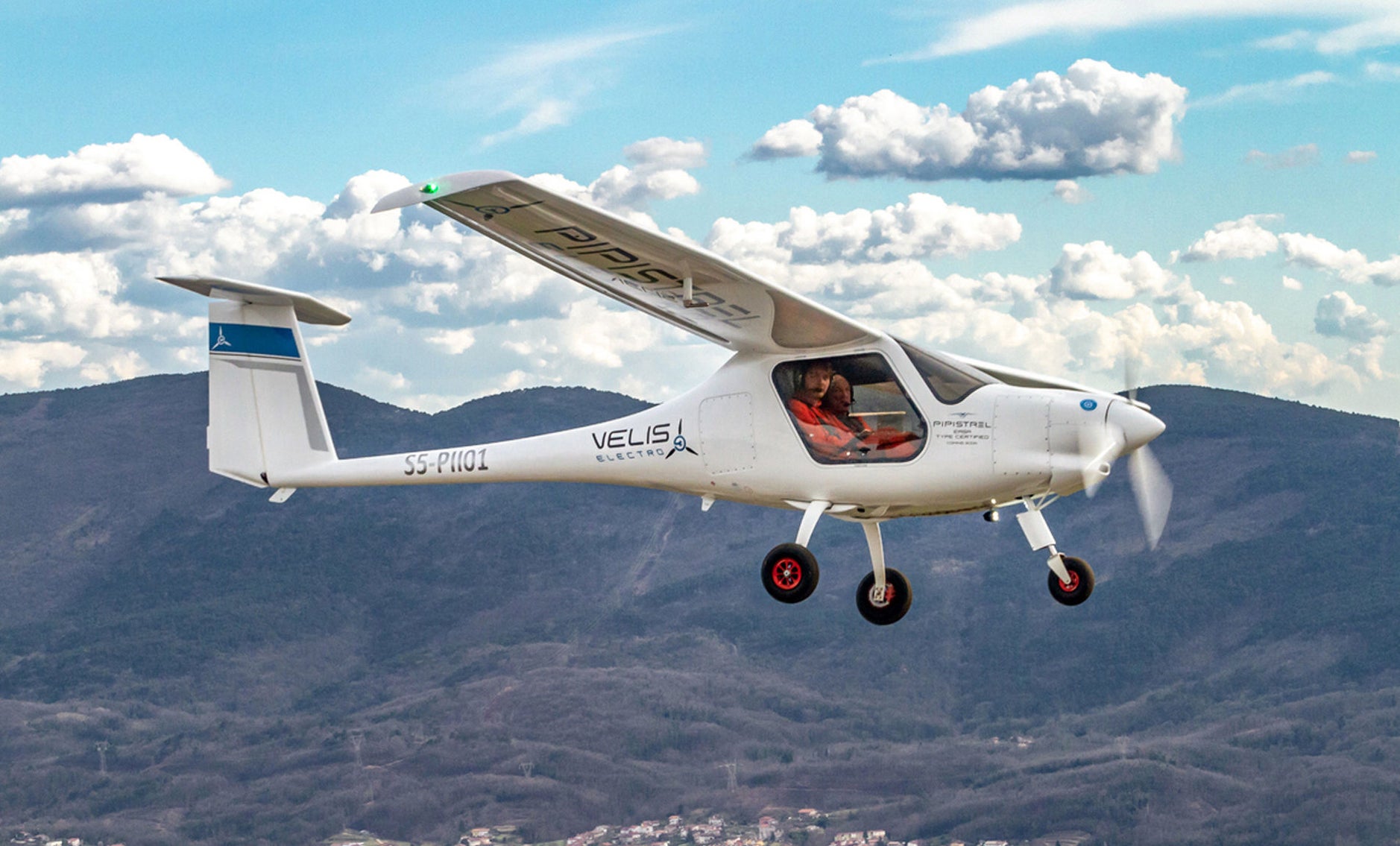
Certification is a long and complex process as you must prove to the regulatory bodies that the aircraft is safe to fly. Our certification process started over two and a half years ago, but several challenges arose. For example, following the Boeing 787 battery concerns, in 2017 authorities demanded greater safety requirements for batteries on board, for which we had to adapt our design. However, we now passed all the tests and we will be ramping up production in the coming months.
What is the business case for electric aircraft?
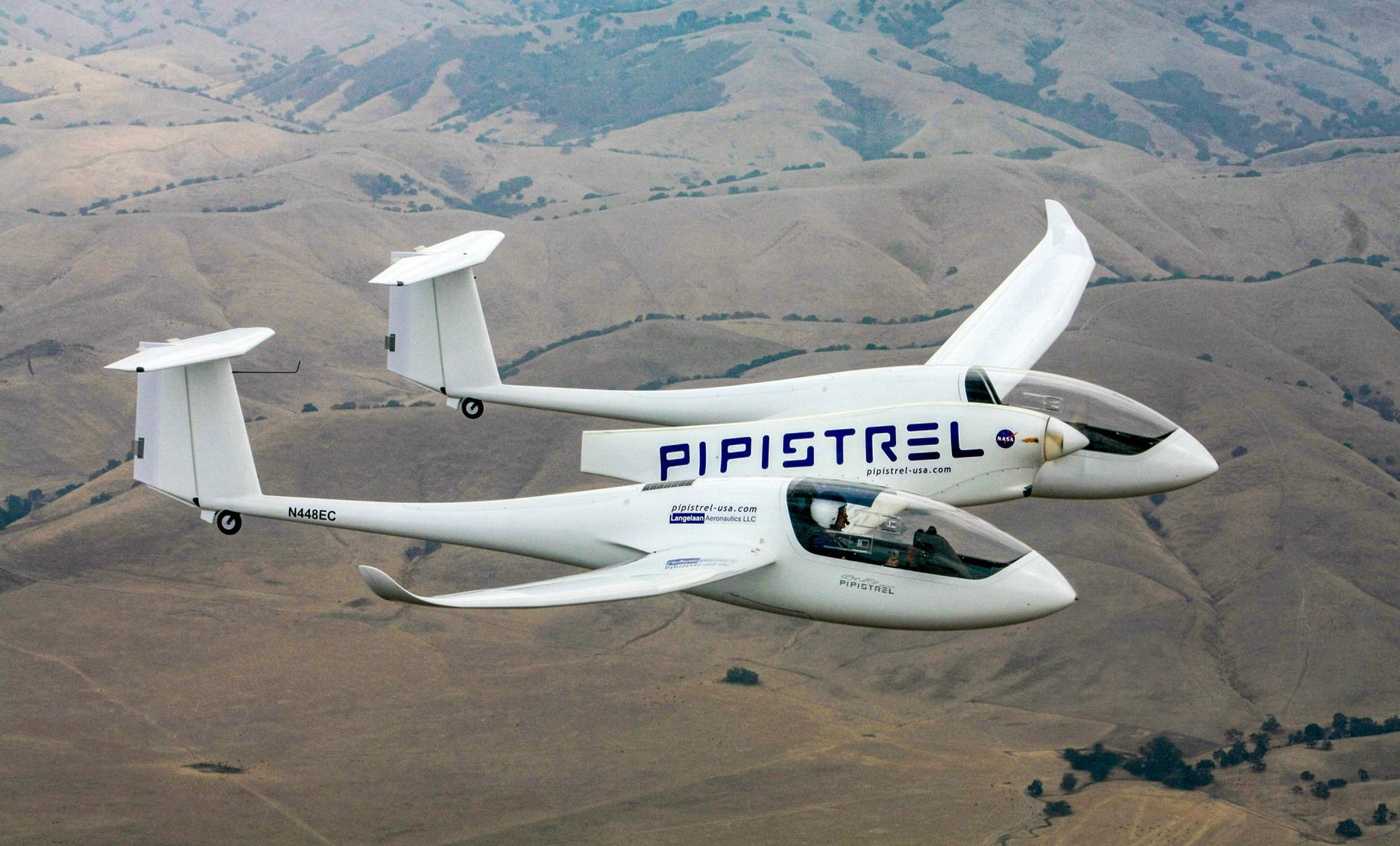
There is a strong business case for our electric aircraft as our customers benefit from a unique product with reduced noise, less pollution and lower energy cost. A lower noise footprint allows our customers to fly at small airports, which would otherwise be closed during the weekend because of noise. Secondly, customers are becoming increasingly interested in low pollution aircraft (the environmental issue has even deterred some from getting their PPL). Lastly, the low energy cost makes hourly leasing extremely competitive. It can cost as low as 0.9 EUR per hour (depending on electricity prices) to power the Velis Electro, compared to 18 EUR for the fuel in our SW 121, which itself is one of the most economic conventionally fuelled aircraft available.
We also estimate our manufacturing costs to fall by about 30% over the next 5 years as we ramp up. Today, all manufacturing is done in house, but as the industry grows it will become possible to outsource. Moreover, over time we expect that economies of scale will enable the electric aircraft to become even cheaper than fuel-powered aircraft. This is because it is much less complex to make electric components, while conventional engines have many more parts and are more complex.