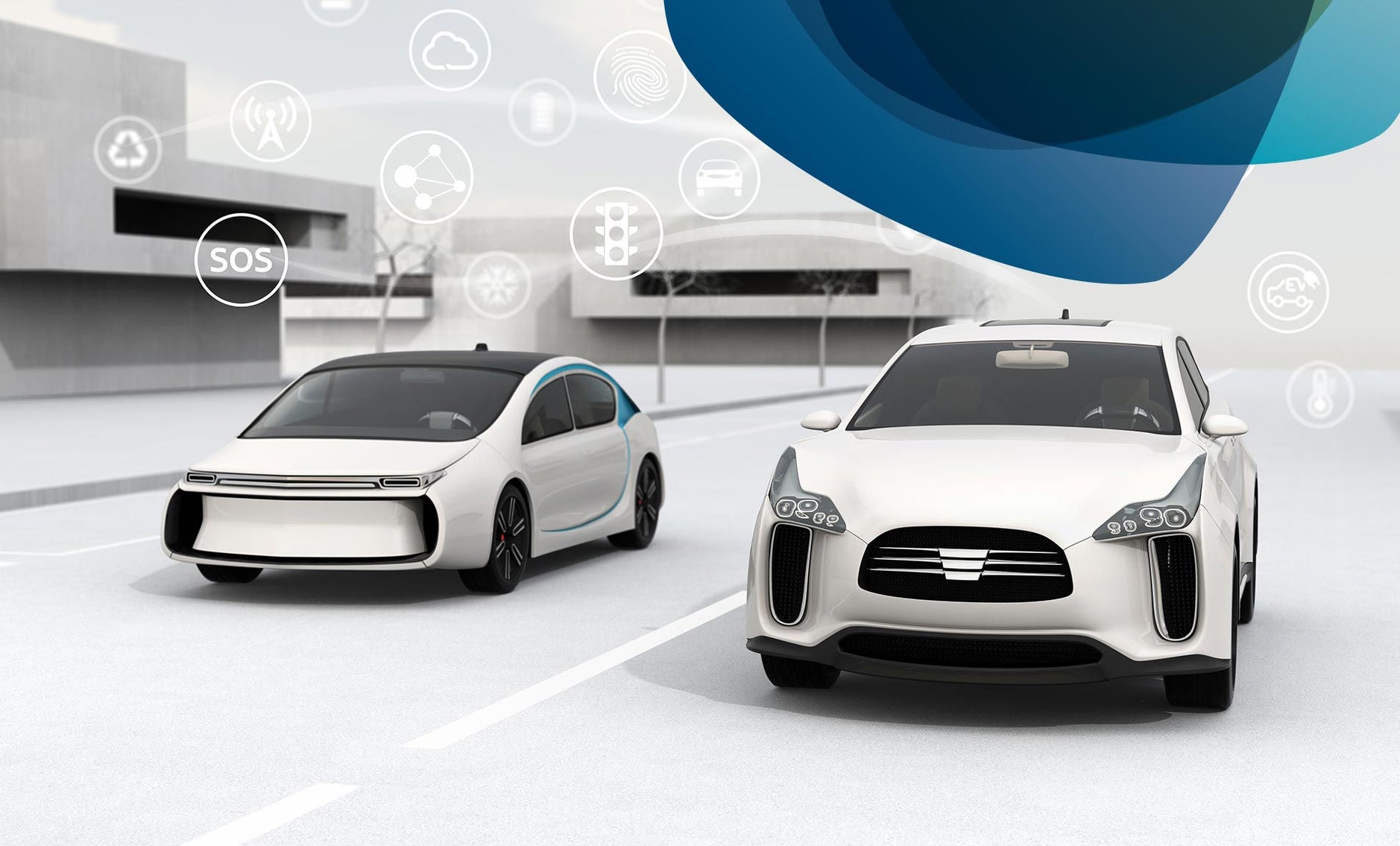
The automotive industry is facing a period of unprecedented disruption. Upheaval is making its presence felt across the board and the electronics and mechatronics markets are no exception. Here, disruptive trends are reshaping the classical value chain. These developments mean not all segments are able to take advantage of market growth, and some players are even being forced to rethink their strategies.
When it comes to the technological trends that are having the most impact across the industry, connectivity, autonomous driving and advanced human machine interfaces are leading the pack. These developments drive the need for reconfigurable displays, an increasing number of environmental data and additional connectivity hardware. This has a direct impact on the number of sensors and functions required. Additional functions can no longer be implemented by utilizing separate electronic control units, which creates the need for significant changes in the vehicles' electronics architecture. A switch from microcontroller to processors with "external" memory, many cores, parallel computing capabilities and special purpose processors is therefore a key trend, complemented by virtualization of hardware and a service-orientated communication approach based on Automotive Ethernet.