Our experts have identified that the primary drivers for the aerostructure equipment industry will be legacy programs and the introduction of new A/C programs. There are also a considerable number of secondary factors: new technologies, the drive towards automated production, emerging OEMs providing fresh competition, and major OEMs looking for turnkey solutions. The question remains: are these promising signs of a “golden age” here to stay?
Driven by automation
We have developed three scenarios to examine the likelihood of certain market developments after 2020: a “dip” characterized by a lack of new A/C programs and a plateau in production, further rate increases resulting in higher demand, and an early next generation where the current MAX and neo generations will not meet current demands or sustain respective market share.
Our analysis points to the second case, an industry driven forward by rate increases and automa-tion, as the most likely. One must only look to Airbus's high monthly production rate of 63 A320s to see that this trend is already underway. The other projection cases appear unlikely in light of rate increases and today's focus on mass volume programs, suggesting that the next generation will not be required for another 10 years. With a forecasted annual growth rate of 1.6% until 2020, industry players can expect a market size of 2.2-2.5 billion USD by 2025 and align their strategies accordingly.
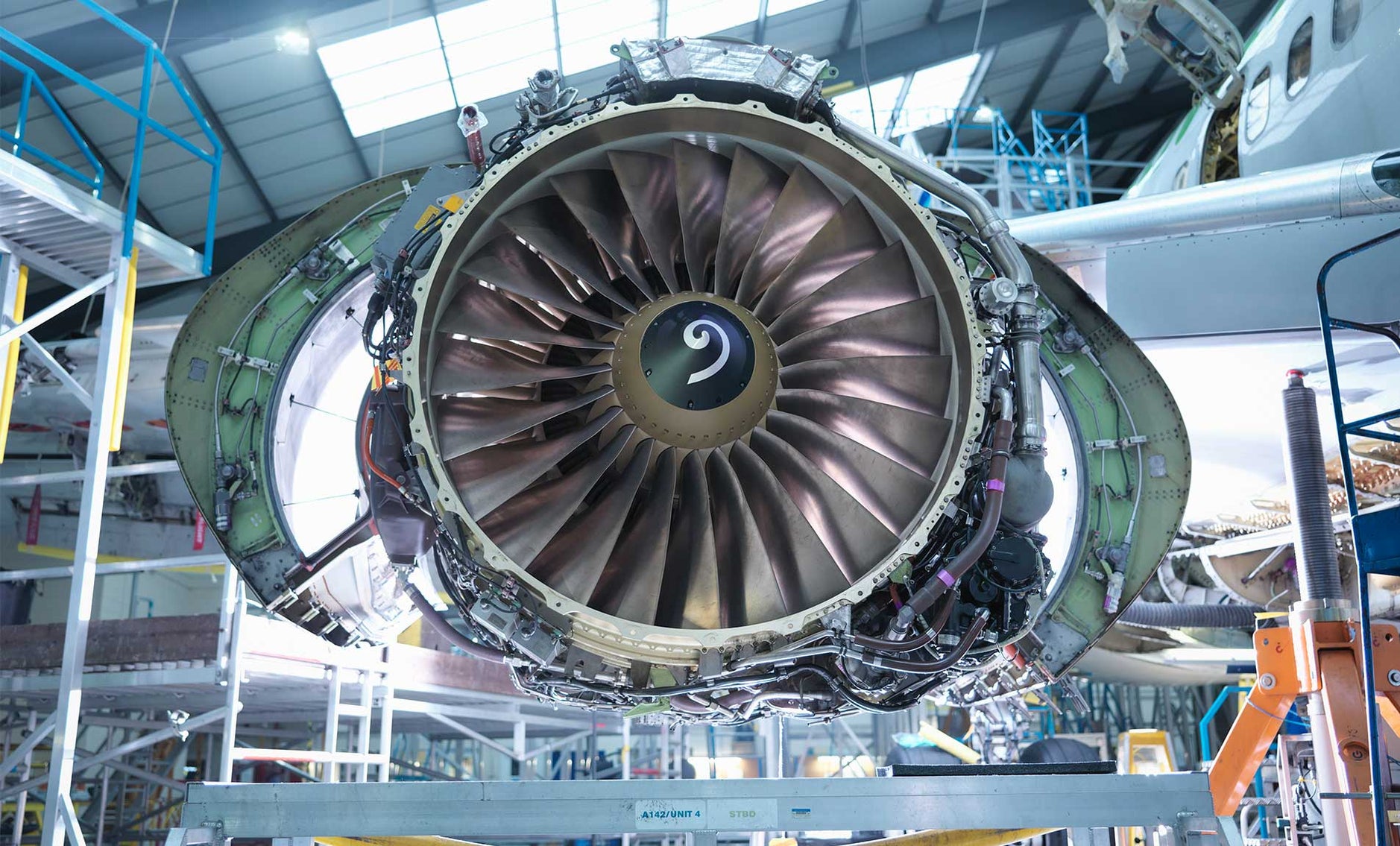
- Photo credits: Monty Rakusen / Getty Images; Gugurat / iStockphoto