
Not just companies, but also governments and public administrations produce huge amounts of data every day. This includes conventional files as well as more and more data generated by machines such as sensors for traffic control systems, camera surveillance and weather stations. The growing quantity of data means public administrations face at least as great a challenge as companies because all of this data has to be stored, processed, analysed, and shared across organisations.
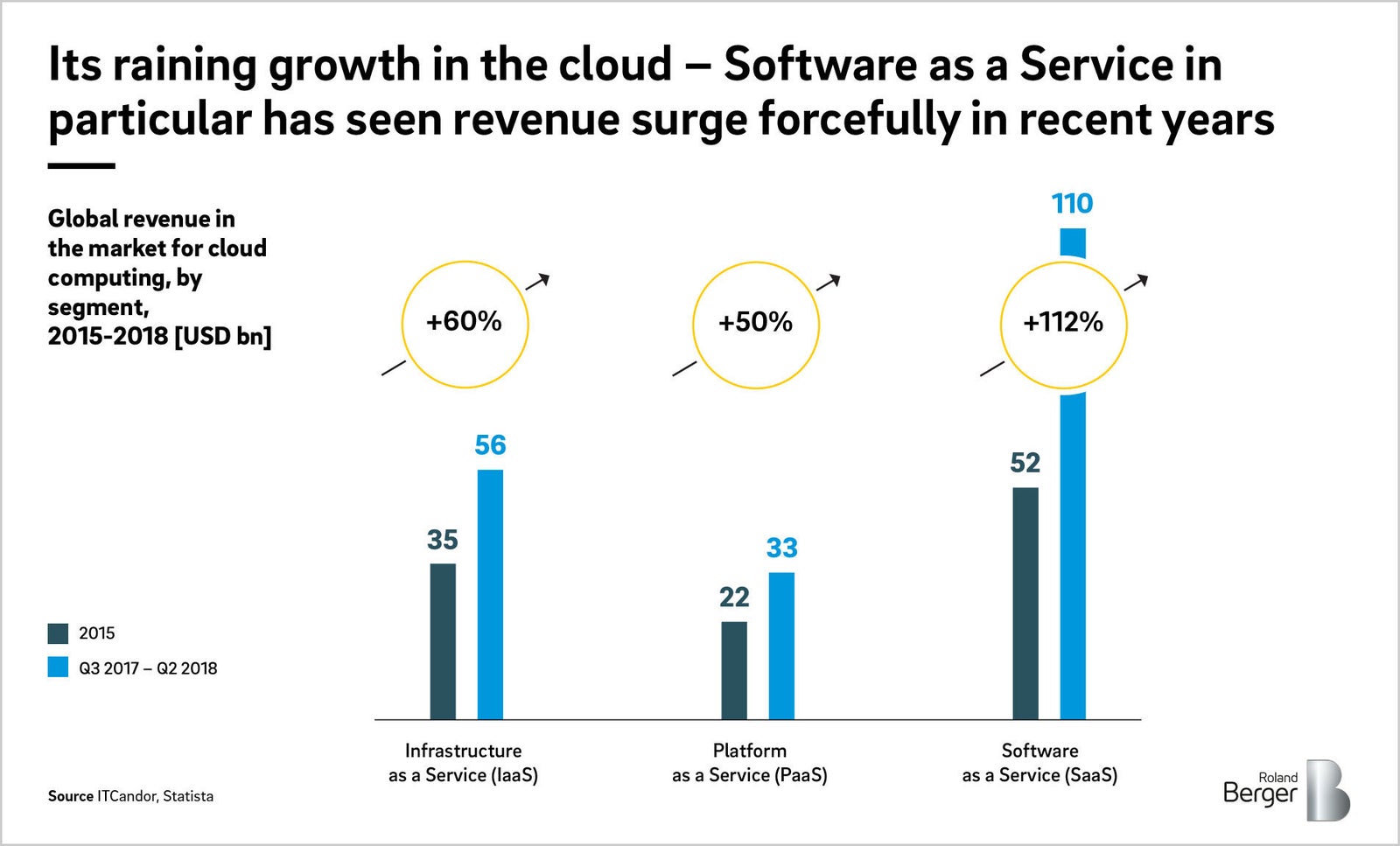
So what could be more obvious than treating them as companies and applying cloud computing, i.e. the flexible use of storage and computing capacities via a decentralised IT infrastructure? The cloud not only scores points with its great flexibility and scalability, but also represents high-speed IT services and maximum agility. It is not just resources such as data storage, computer capacities or networks (infrastructure as a service, IaaS) that can be procured in a decentralised way; entire infrastructures can now be procured as platforms (Platform as a Service, PaaS) or applications (Software as a Service, SaaS).