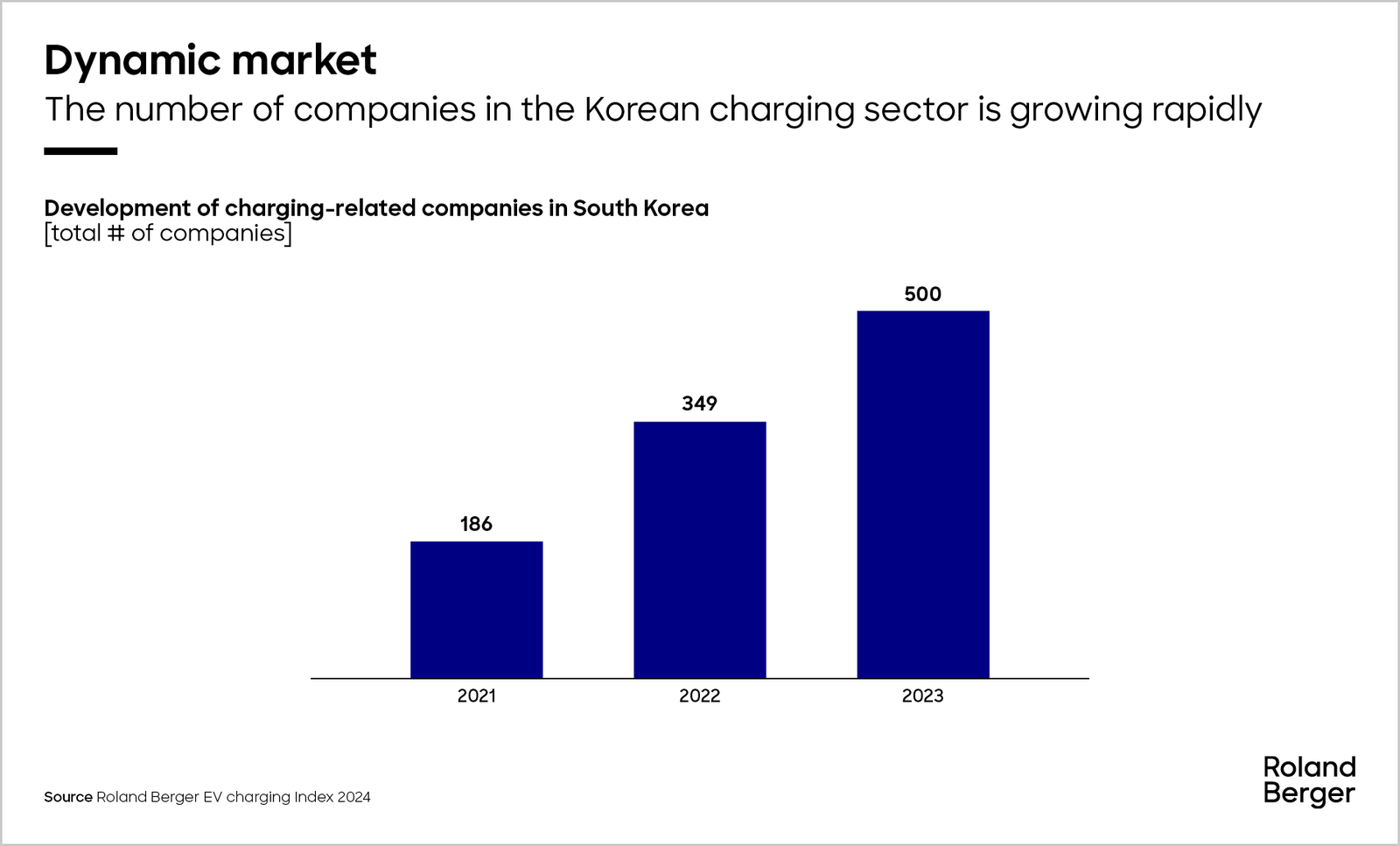
Korean conglomerates have been the main drivers of growth in the country's charging infrastructure. They have been utilizing subsidiaries to expand along the value chain and create synergies within their respective groups. SK Signet, for example, manufactures chargers, while SK Networks operates as a CPO through their SK Electlink brand, and SK E&S provides charging solutions integrated with its parking services.
A major advantage for many of these conglomerates is their dominance of high-traffic locations, which restricts opportunities for SMEs. Shinsegae can install its chargers across its many department and grocery stores, for instance, while Hyundai Engineering can install chargers as a built-in solution to the apartments it helps construct.
Large Korean companies also have the resources to acquire promising SMEs to further boost their own charging businesses. SK Networks' acquisition of SS Charger and GS Energy's acquisition of ChargEV are just two recent examples.
That being said, SMEs still have an important role to play in the Korean charging segment as they are increasingly inclined to focus on differentiation through new technologies and services.