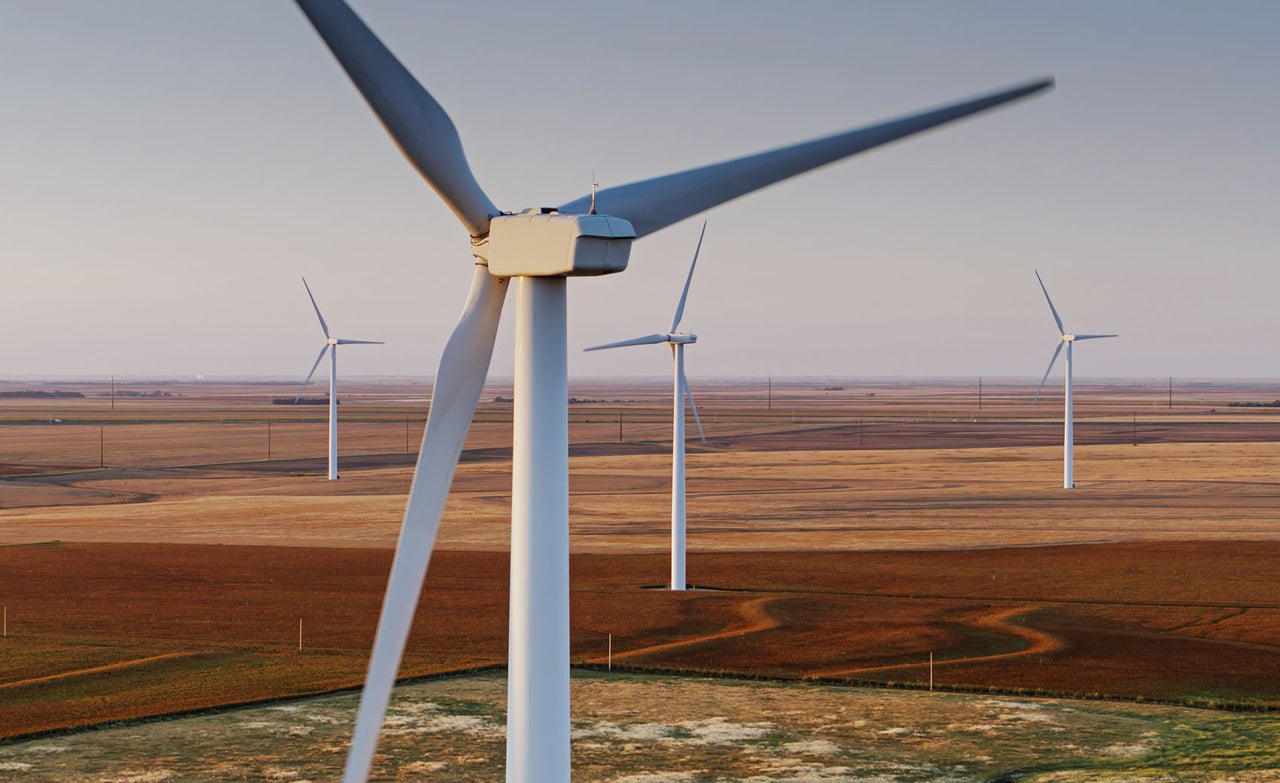
Over the past decades, energy prices of renewables, for example in the form of electricity from wind and solar, have fallen and are now competitive with their fossil fuel counterparts, thus creating incentives for investors and other stakeholders to accelerate the transition. Further technological innovations are needed to balance and support this new energy landscape, particularly with a view to energy storage.
Besides energy raw materials, other raw materials, especially metals, play a significant role in the transformation of the economy. Raw material deposits are distributed very unevenly around the world. Some countries have a large share of raw materials that are relevant for production processes and end products. For example, China is rich in rare earths. These substances are particularly needed in electric vehicles and wind turbines.
Some raw materials are exceptionally well suited for a move away from linear to more circular production processes. Going forward, a circular economy concept based on the four Rs (reuse, repair, remanufacture, recycle) promises a more regenerative, less wasteful economic system. Furthermore, when circular principles are extended to food production and consumption, challenges concerning future food demand, required land use and arising emissions can be overcome.