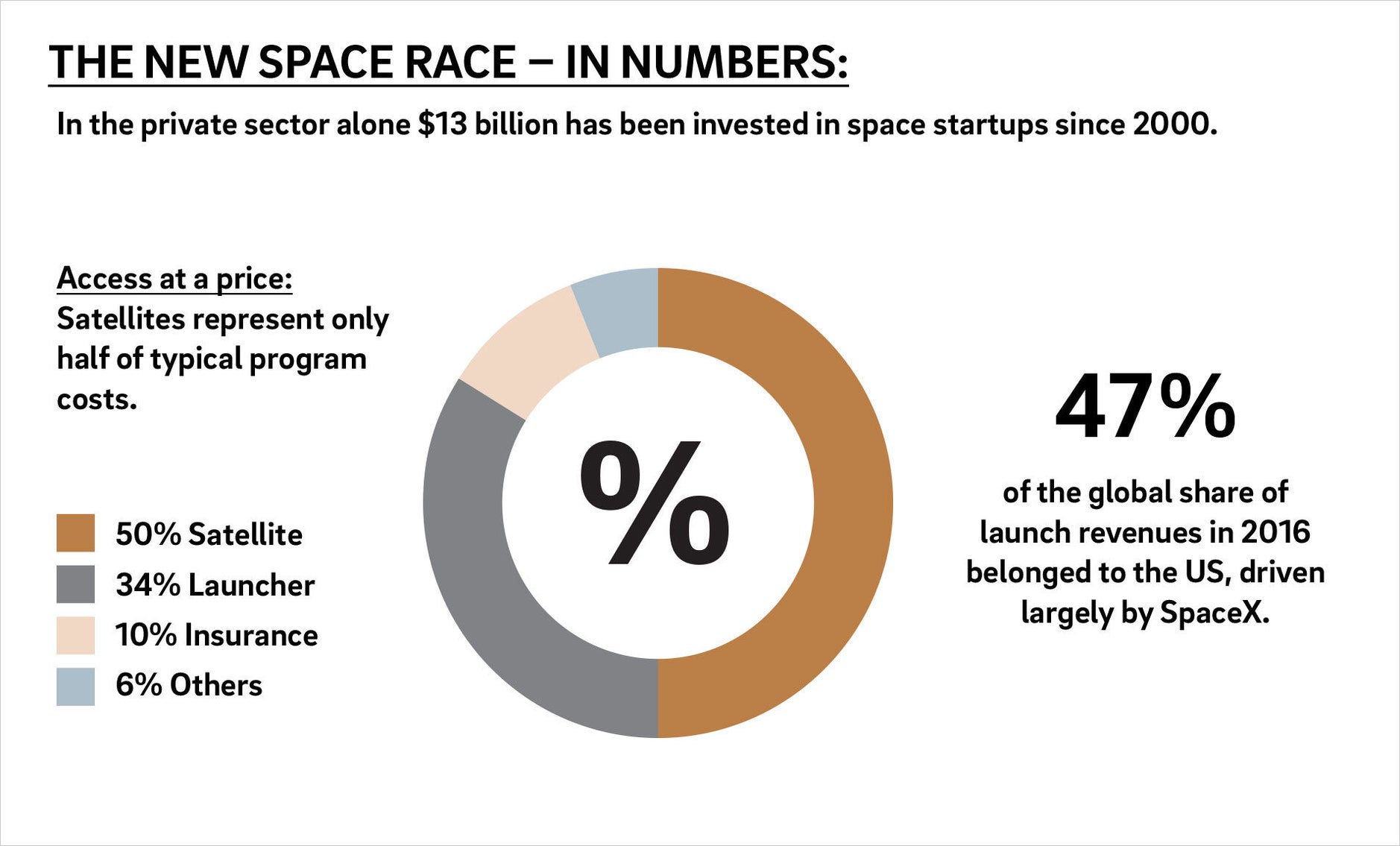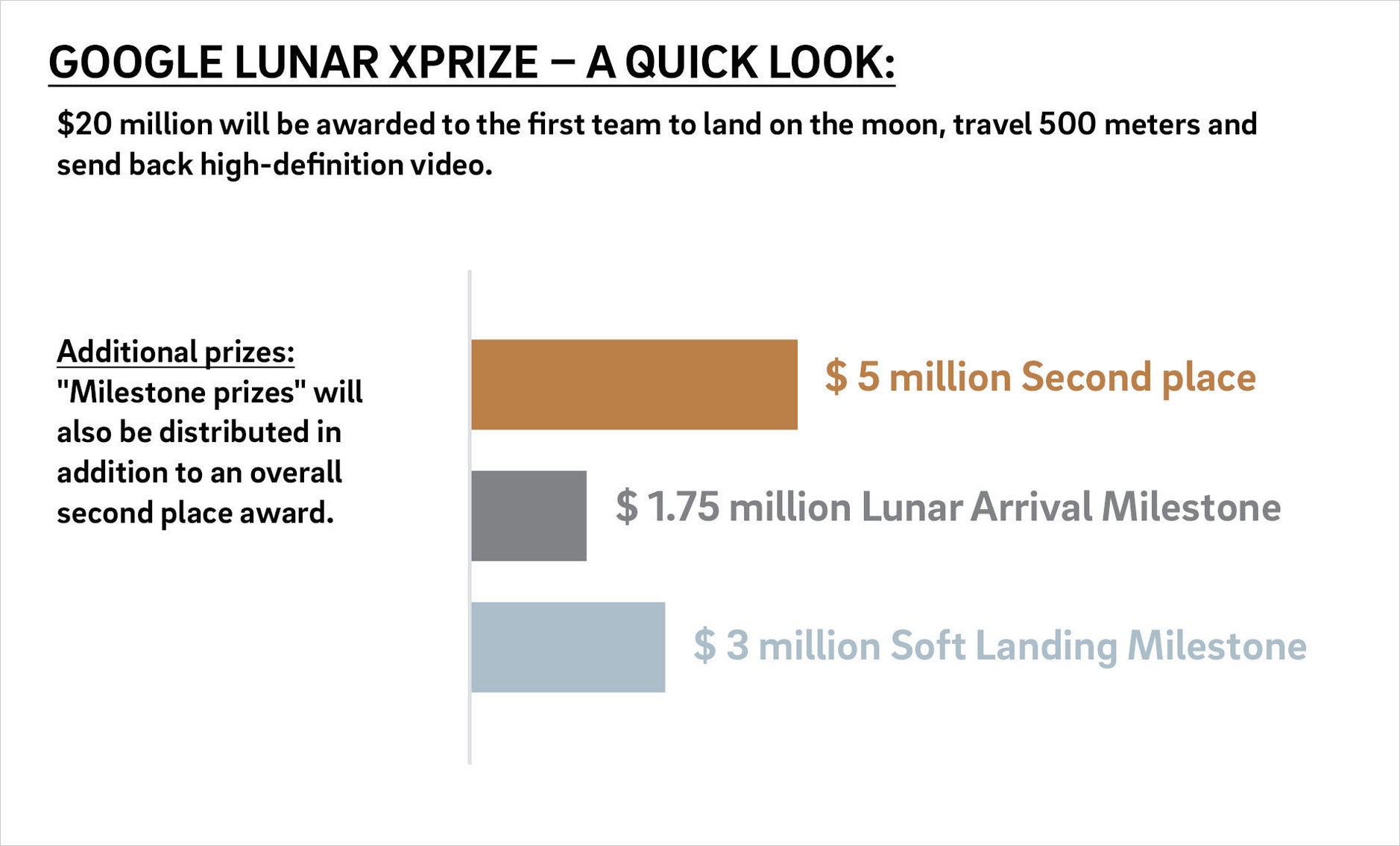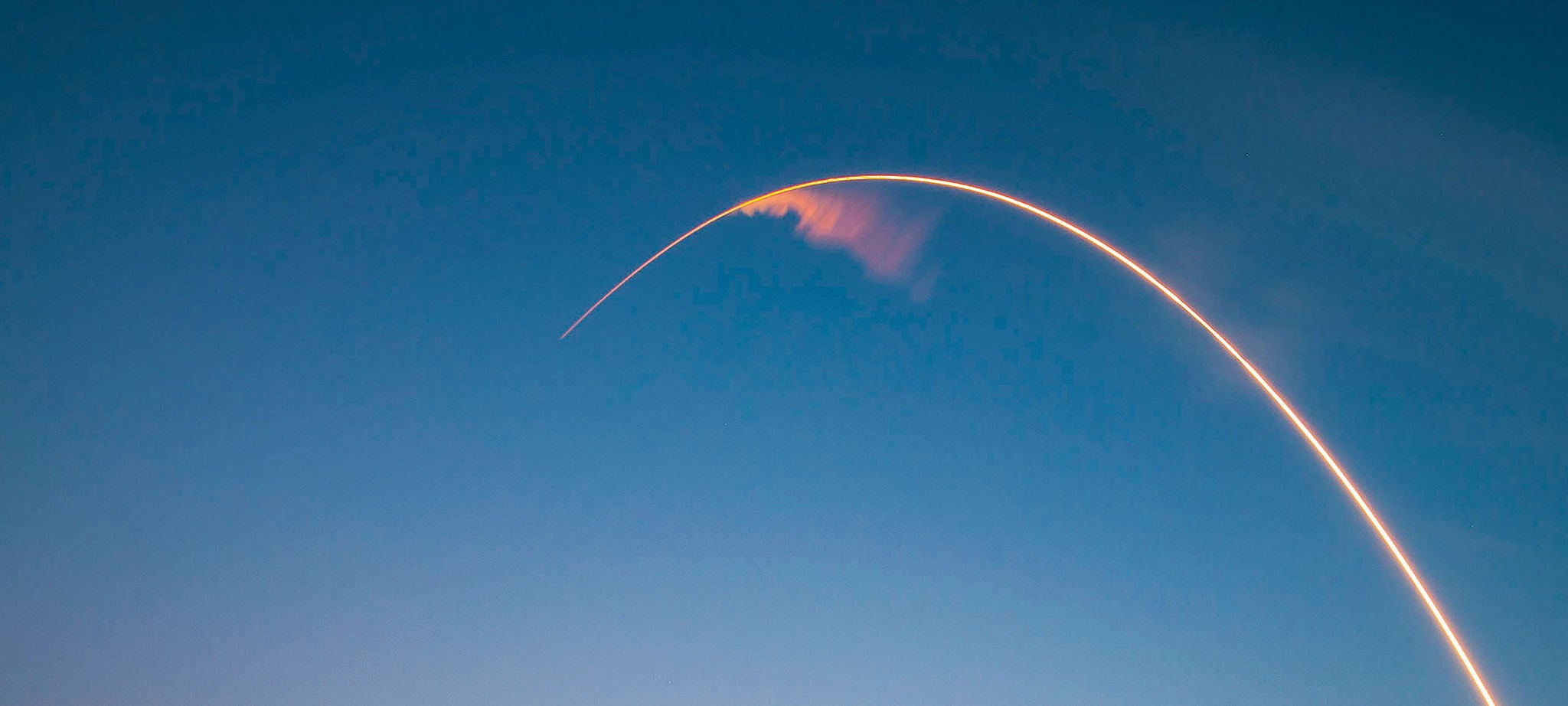

Space race 2.0 is underway. This time around it's not governments footing the bill, however – it's companies. Will the commercialization of space turn us all into space tourists? Perhaps. But it might also benefit terra firma.
New private enterprises for upcoming space missions
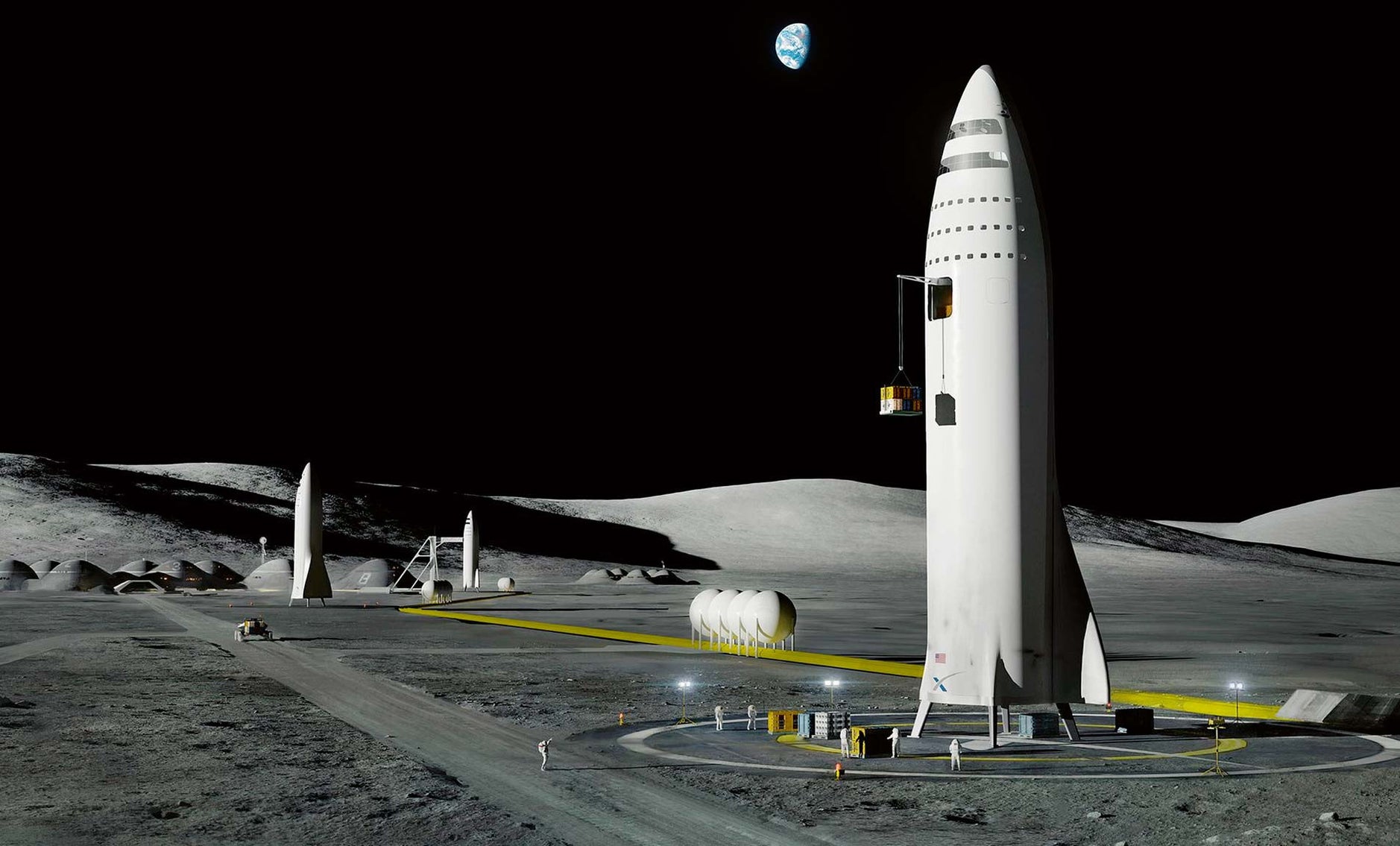
Twenty minutes into the presentation the focus turns to the specifics of the passenger experience. "You could conceivably have five or six people per cabin, but mostly we would expect to see two to three," explains Elon Musk as he guides his audience through the detailed projected image, moving on to reference other features such as the essential storage facilities, the galley and the "entertainment area". The delivery is so matter of fact that it almost sounds like a routine sales pitch for an upscale tourist offering. What Musk was describing at a conference in late September in Australia was, in fact, nothing short of extraordinary. The billionaire founder and head of SpaceX was spelling out his plans to send BFRs (Big Fucking Rockets) to Mars. Within the next decade Musk says that he hopes to send a fleet of rockets to the red planet, loaded with equipment and materials to establish a base camp, to be followed later by humans.
It would be easy to dismiss this as fantasy. But Musk, who made his fortune through a series of smart investments in groundbreaking technology ventures such as PayPal and his battery-powered Tesla cars, has form. The 46-year-old South African-born Canadian American has already demonstrated his credentials in space through the successful launch of rockets by SpaceX, which has established itself as a low-cost provider in the sector.