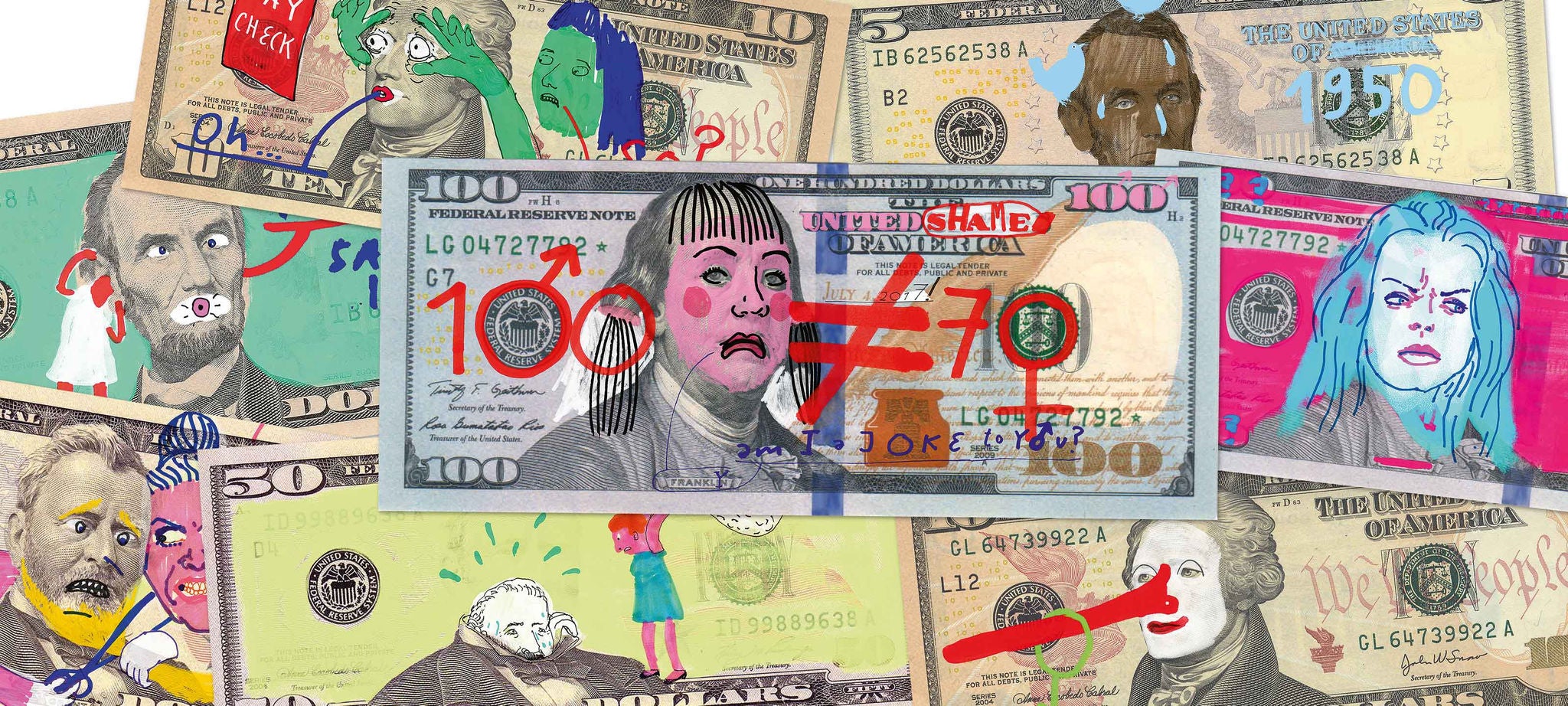
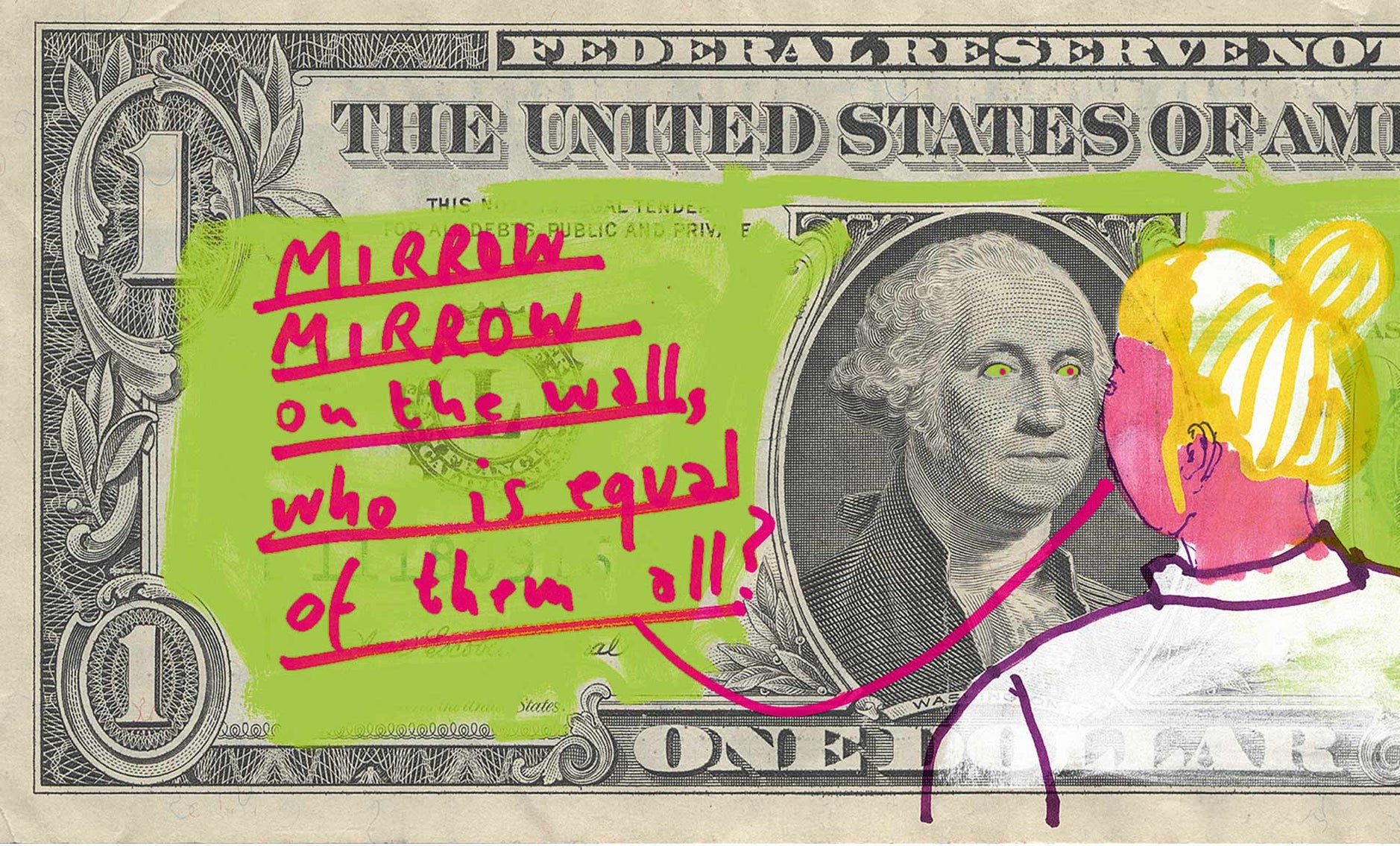
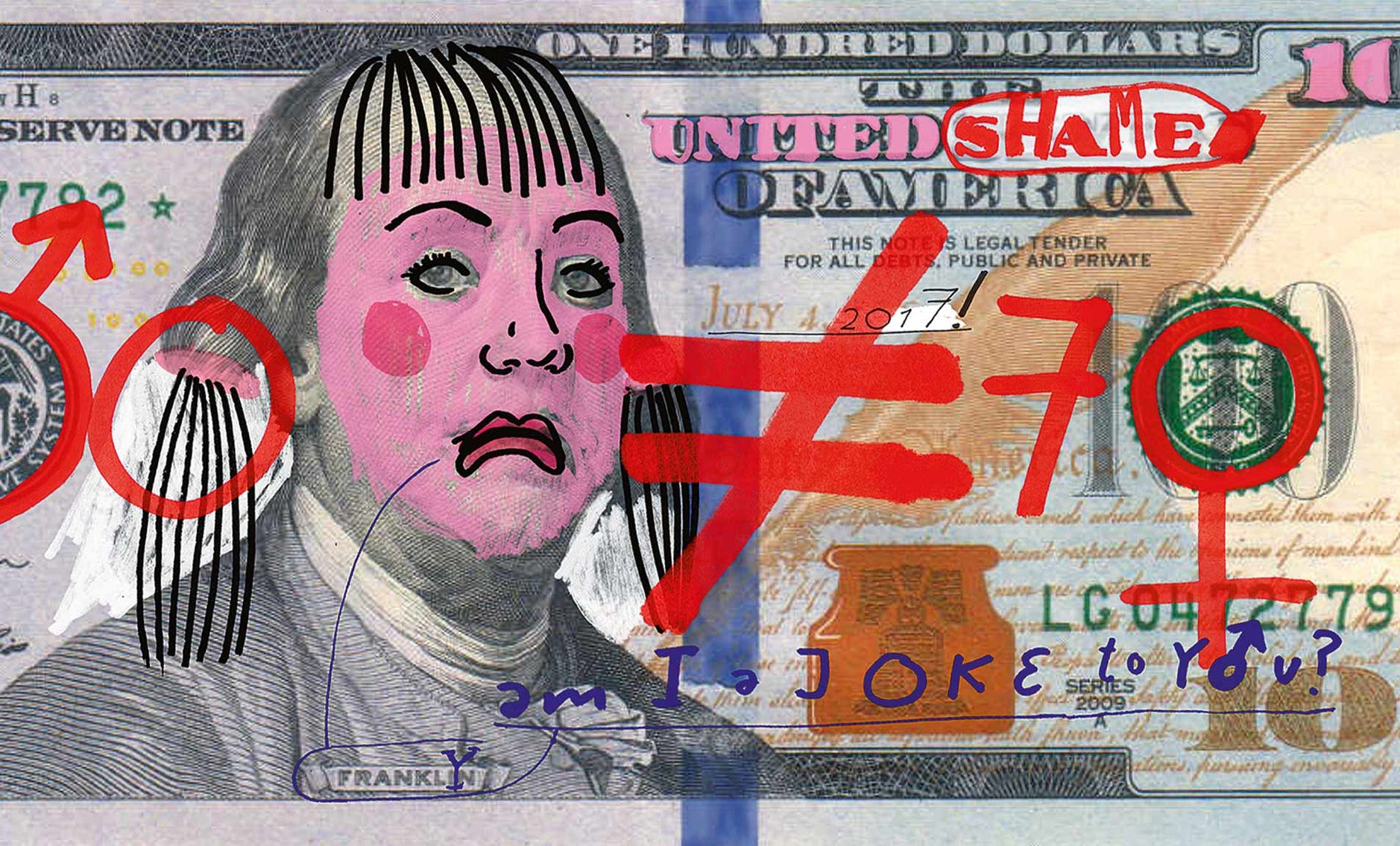
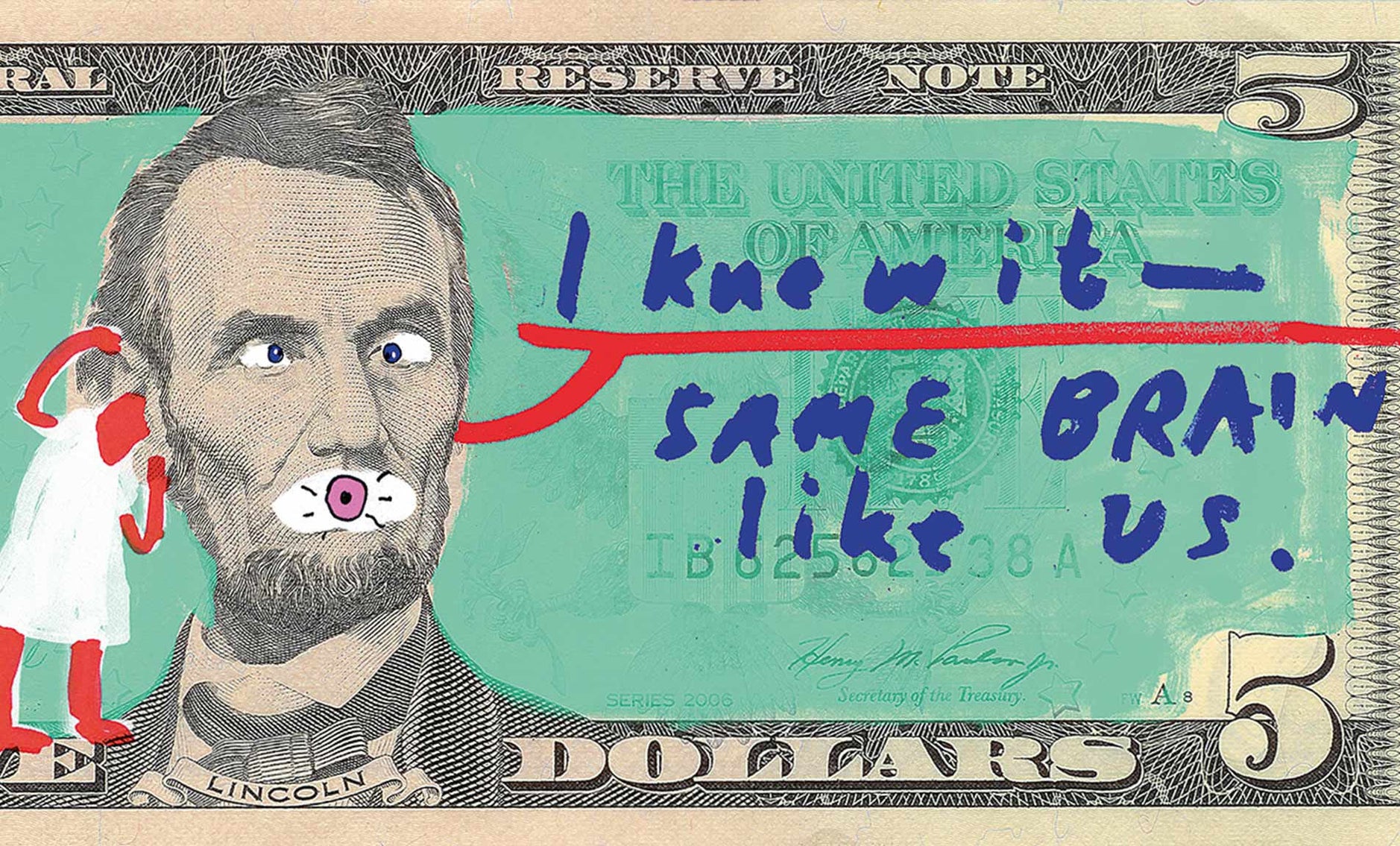
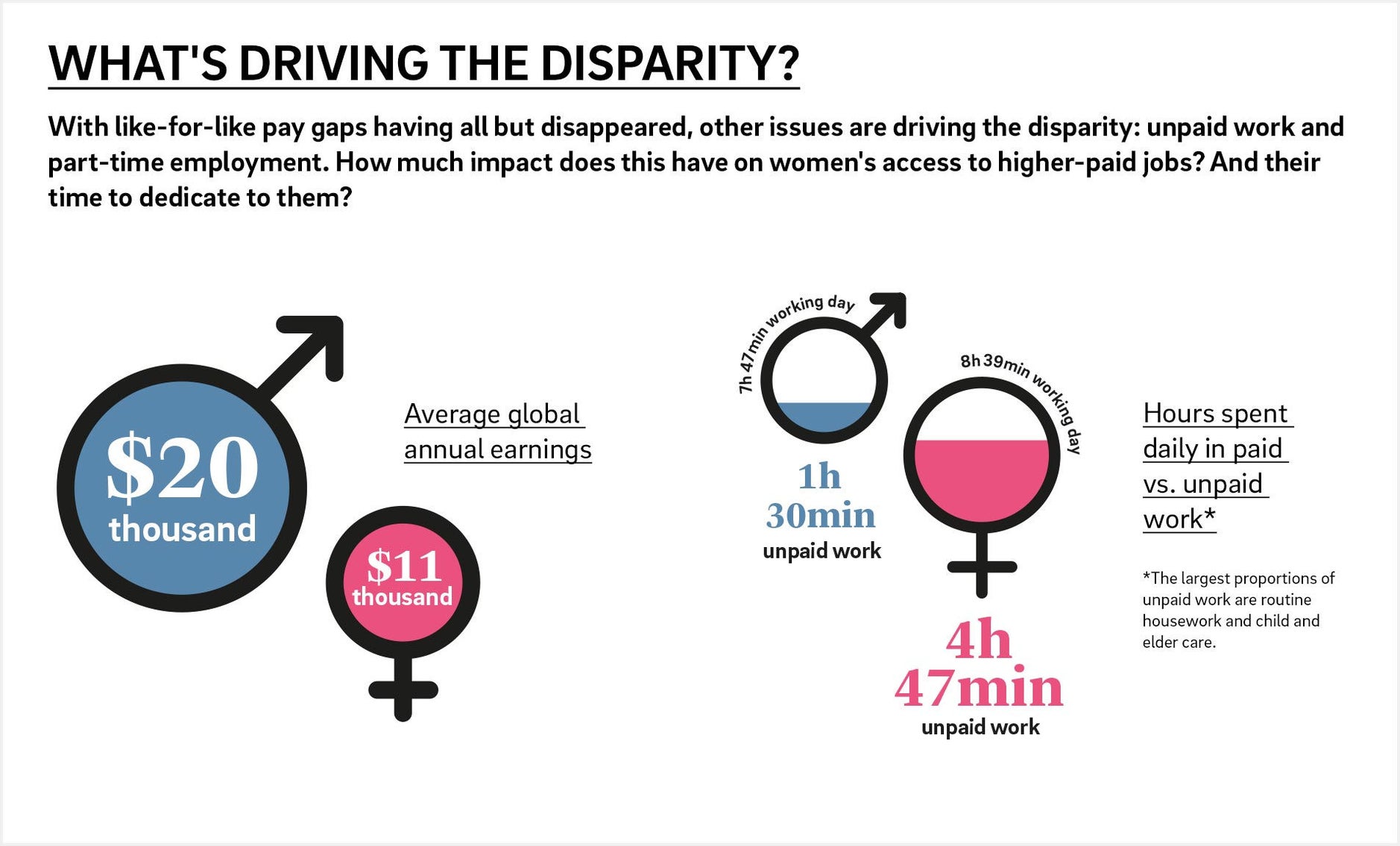
Perhaps the first step when it comes to addressing the gender pay gap is transparency. Publishing data is, of course, only a first step. It won't change anything on its own, but it does shine a light on the problems and enables employees, employers and the government to understand better where the biggest differences are, helping to identify where women's career progress stalls and to start making changes to address this. Goldin points out that technology and other factors also make a difference by lowering the cost of substitution, even in highly skilled work. In the US, where drugs are more standardized and computer records are centralized, it is possible for pharmacists to share roles. This leveling effect means that pay differentials are lower between women and men pharmacists and is an example of organic change within an industry leading to a better outcome in terms of the gender pay gap. But, Goldin has argued, this kind of change cannot simply be mandated across industries.
Salesforce continues to monitor its compensation after its first internal pay audit in 2015 revealed discrepancies between men and women's pay. It has now committed to auditing its payroll every year and adjusting salaries where an unjustifiable gap appears. One impact this has had is that managers of teams in which a pay discrepancy has emerged are starting to ask how they can do things differently to prevent it in the future. And the US-based outdoor clothing retailer Patagonia, for example, has combined several approaches – fully paid family medical leave, fully paid maternity leave, free on-site child care and a company culture that rewards collaboration. Over half the managers are women and 100% of new mothers return to work after maternity leave.
Many women leave work when they have their first or second baby, and most intend to return. The difficulty is finding what the US economist Sylvia Ann Hewlett has called "on-ramps" – the routes back into a career. Often women end up re-entering at a lower level and miss the career trajectories that lead to high-paying jobs. UK bank TSB is tackling just this issue with a campaign that seeks to identify women who are returning after an extended period of absence and help them with the transition.
It is not just women who we should be helping to enact change, but also men, argues Anne-Marie Slaughter, professor at Princeton and a vocal advocate of gender parity. The real revolution, she says, would be to stop seeing the home as a gendered space but rather as both a male and female domain, just as we now see the workplace.
Perhaps we are beginning to see a generational change in what employees want from work. Some studies indicate that it's not only women who are prepared to sacrifice salary for more time to do the things that are important to them. Millennials appear to want not just a work/family balance, but a work/life balance as well. If employers find they have to offer this kind of flexibility across the board, at all skill and function levels, the pay differential between part-time and full-time work might begin to disappear – and with it, the gender pay gap.
Leading the way on gender equality
In 2017, Equileap, an organization that aims to accelerate progress toward gender equality in the workplace, ranked 3,000 companies in 23 countries. French cosmetics company L'Oréal took the top position. It earned the award by ensuring strict equality in all measurable areas – access to promotions, relocations, training and salary reviews. In France, its gender pay gap on a like-for-like basis was 3.21% for management and nonexistent for other employees in 2016. How did L'Oréal achieve this? Long-term effort. "At L'Oréal we share the strong belief that diversity in all functions and at all levels enhances creativity and innovation. But having a conviction is worth nothing without concrete actions," says Jean-Claude Le Grand, L'Oréal senior VP of talent development and chief diversity officer. It also has measures in place that ensure equal career opportunities, such as paid parental leave and flexible work.