A world waiting to be built
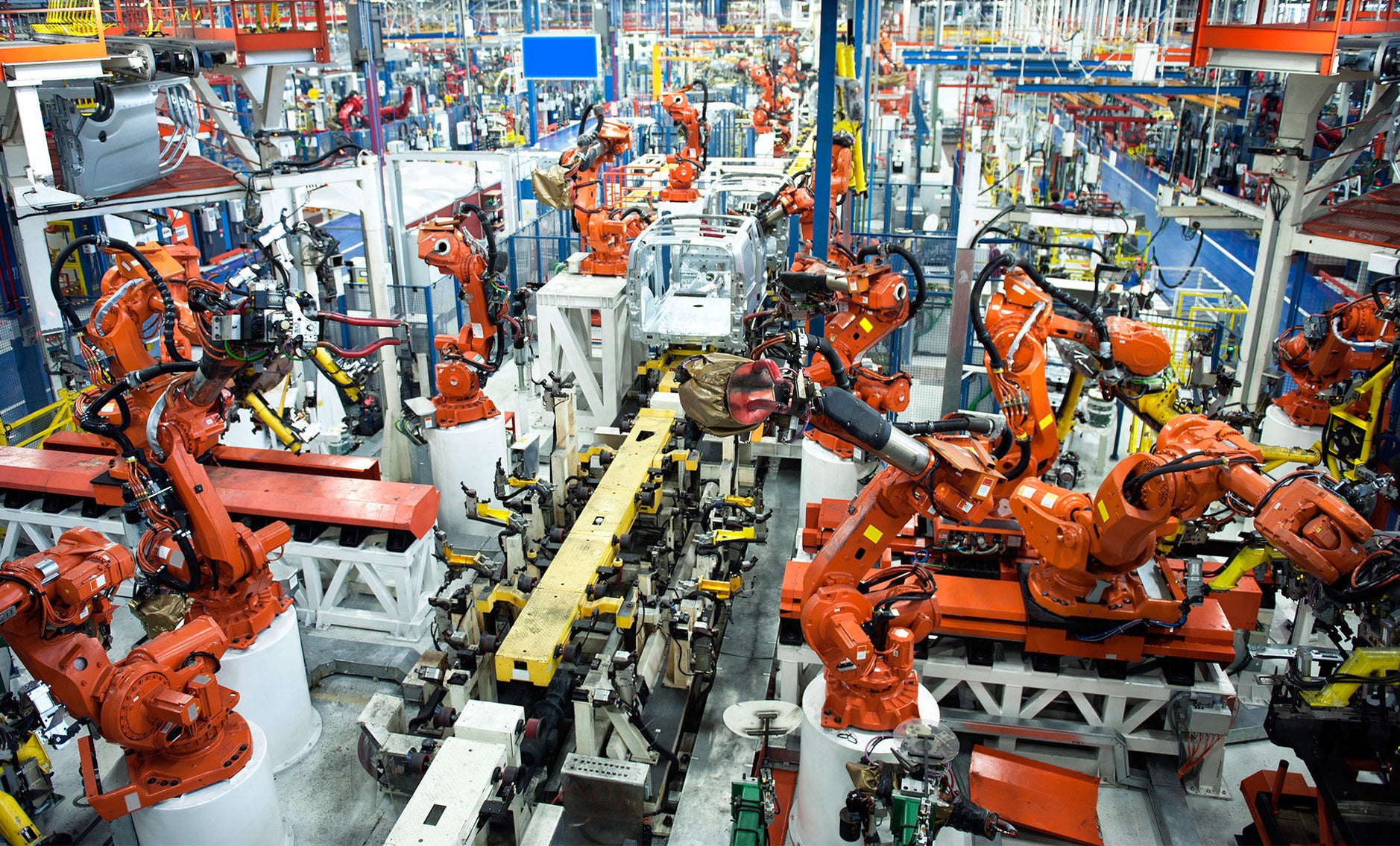
Factory virtualization, smart and intelligent machines, the IoT, the cyber production system, 3D technology, cobots, and more— Industry 4.0 will transform not just the industrial economic paradigm, but the value creating mechanisms that underpin it as well. Today’s industrial model is still based on the principle of decreasing product costs through the volume of products manufactured. However, this model is now being questioned because there is only so far it can go.
In the Industry 4.0 transition, industrial business can expect a +25 PPTS gross increase in ROCE through to 2035. A potential EUR 420 billon of capital employed and net profits will become available through its introduction in Western Europe. Industry 4.0 represents a shift to mass customization, based on flexible and localized production, dynamically adapting itself to demand. It is more predictive and auto-corrective, involving less trial and error. Its logic is focused not on the product but on usage, and it switches from a rigid form of labor organization to a flexible one.