For decades, the logistics value chain has remained the same. An order is received by a freight forwarder, the package is picked up, warehoused, transported, warehoused again and finally delivered to the receiver. But in the past few years,
new technologies and ideas in logistics
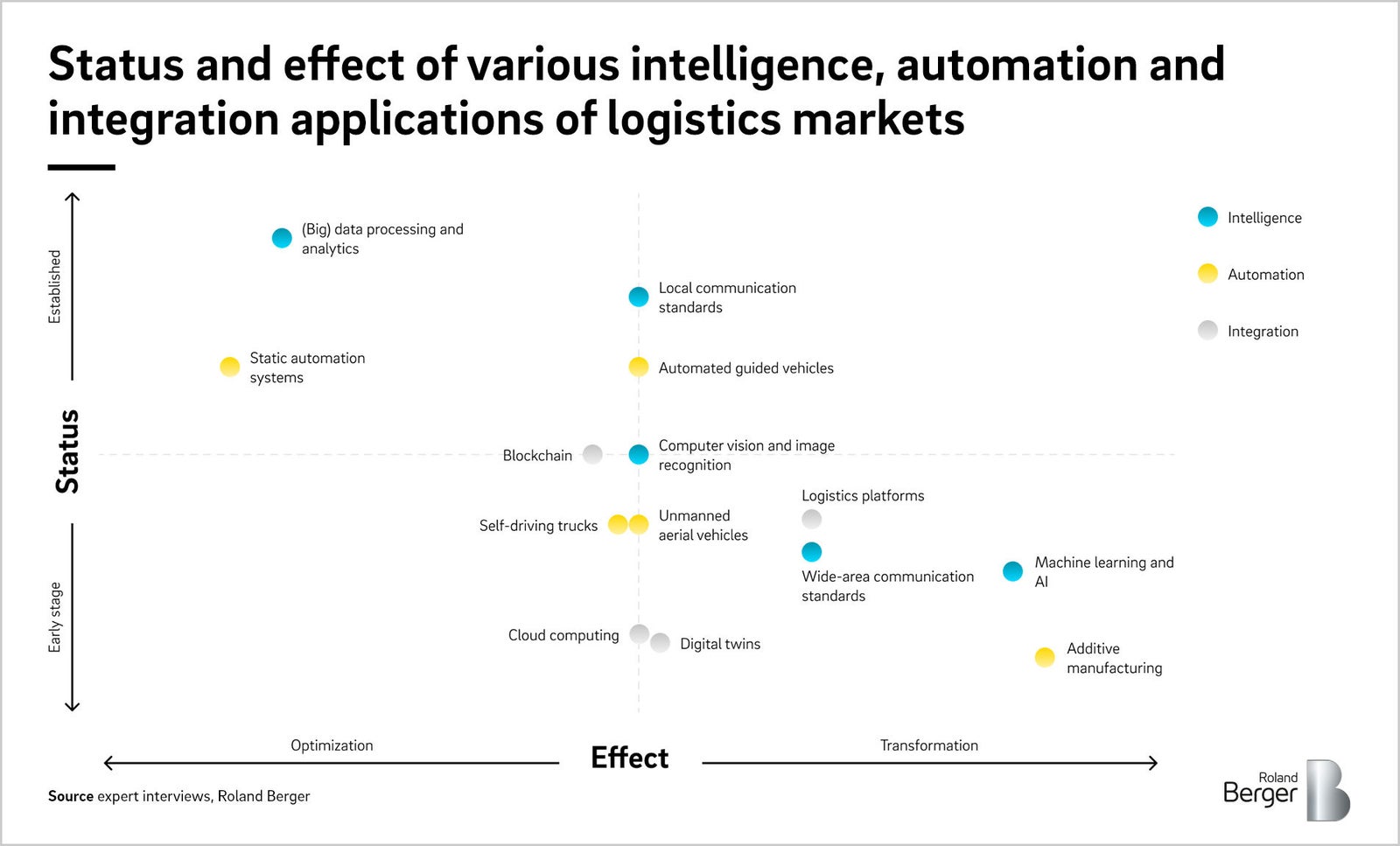
– collectively known as FreightTech – have been shaking up this well-trodden path. In fact, in the next 2 to 5 years, FreightTech applications are expected to disrupt every step of the traditional value chain.
This poses problems for incumbent players who have long relied on the status quo. They must adapt or face being overtaken by new disruptors who have none of their baggage and access to significant funding to invest in new technologies – just look at Amazon, for example.
But of course, it’s not too late for incumbents to act. In this study, we outline the key developments in FreightTech, including what incumbents are doing, look at the hurdles incumbents face in implementing new applications and show how taking an ecosystem-based approach can help them to overcome these.