Why Canada Needs Europe
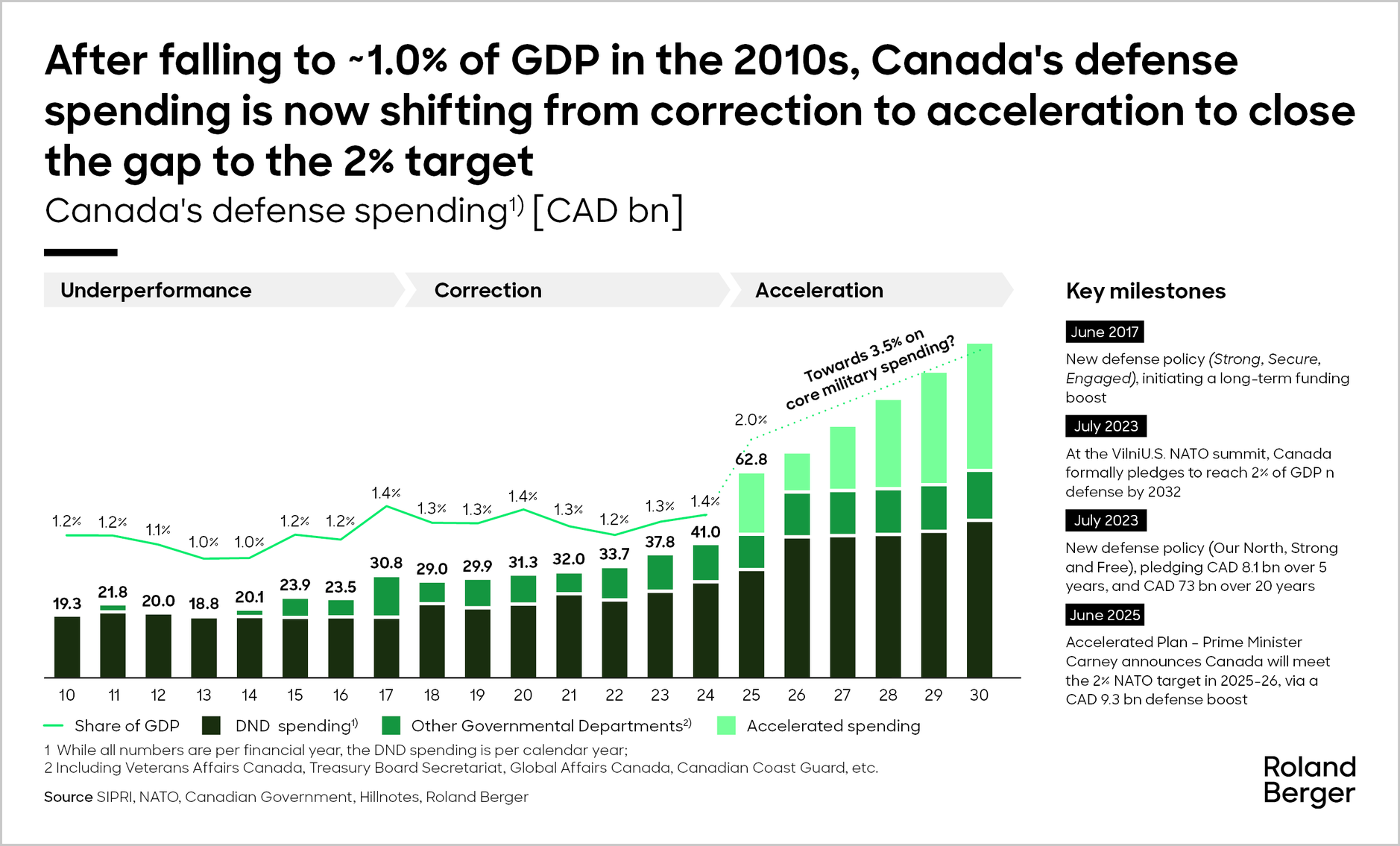
Amid rising global instability — from Eastern Europe to the Indo-Pacific — Canada faces a strategic imperative to diversify its alliances and reduce systemic vulnerabilities. A more balanced transatlantic posture offers both strategic and economic upside.
Formalized Transatlantic Cooperation: The defense and security partnership signed in late June between Canada and the European Union marks a major step forward in institutionalizing transatlantic collaboration. It signals a clear shift from a primarily North American defense orientation toward a more integrated engagement with Europe’s evolving defense architecture.
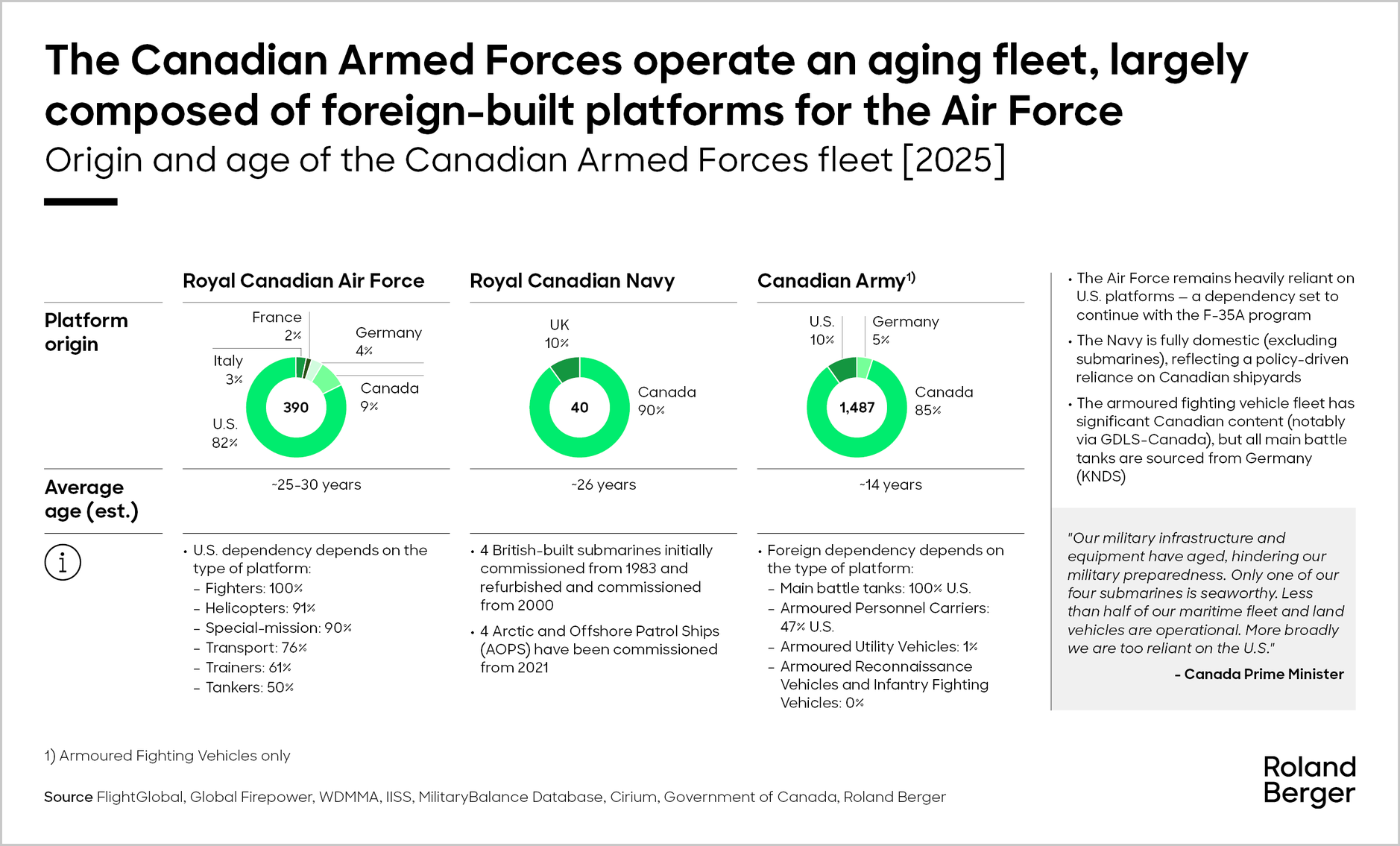
Complementary Capabilities: European partners bring industrial strengths in areas such as shipbuilding, cyber resilience, and defense innovation. Deepening partnerships with these allies enables Canada to reduce procurement bottlenecks, benefit from more agile European acquisition models, and co-develop next-generation systems aligned with NATO and Five Eyes priorities.
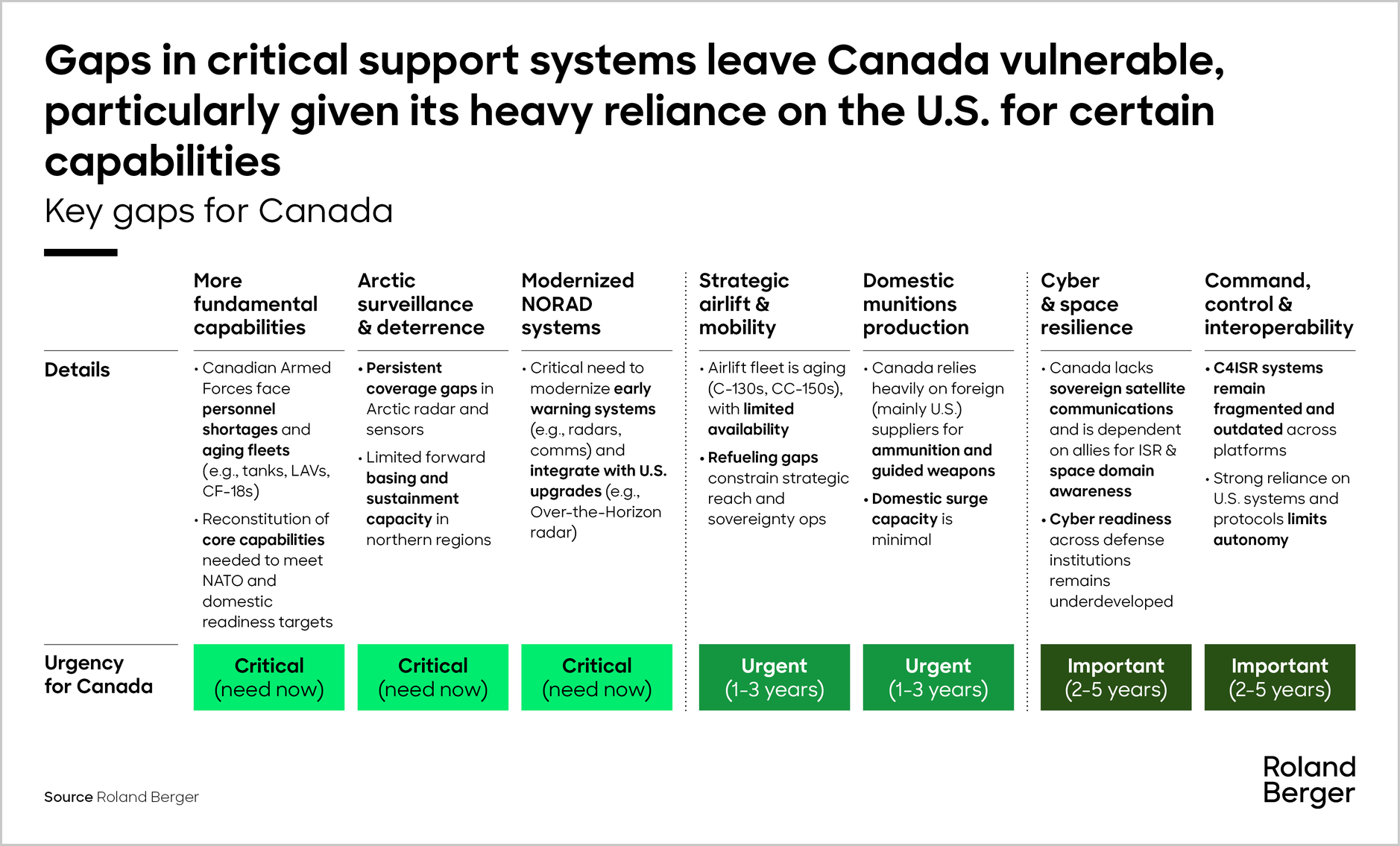
Diversified Supply Chain: Strengthening ties with Europe helps mitigate single-source procurement risks, particularly in critical domains such as submarine technology, satellite systems, and advanced weaponry — areas where Canadian capabilities can be scaled and integrated into European programs.
As the global defense landscape grows more complex, Canada’s strategic autonomy — and its ability to meet increasing security commitments — may hinge on how swiftly and decisively it rebalances its partnerships beyond the U.S.
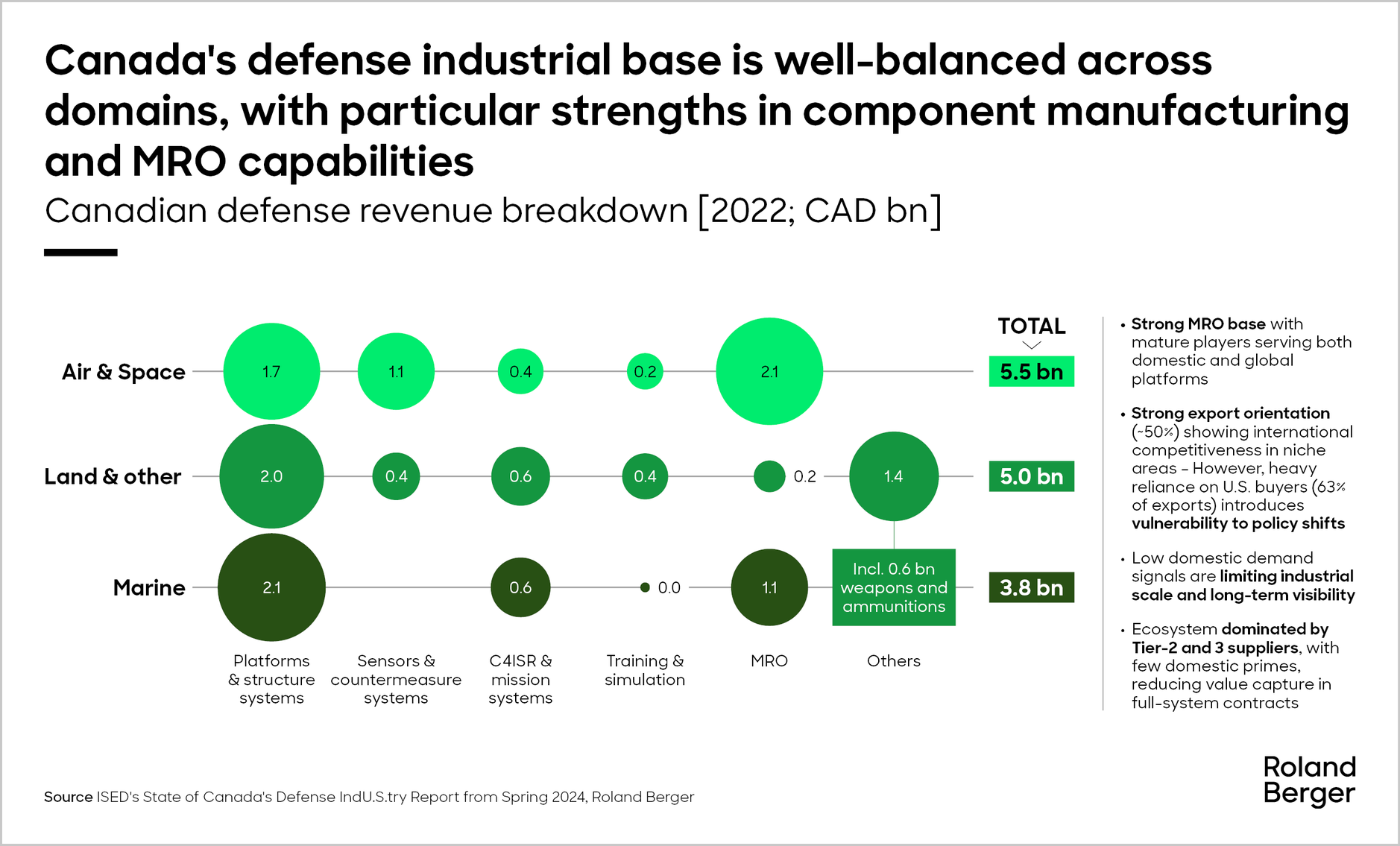
To realize this opportunity, Canada must now accelerate industrial and R&D collaboration with EU defense players, prioritize interoperability and co-development, and actively pursue export growth in European markets, particularly in niches where Canadian firms are already competitive.