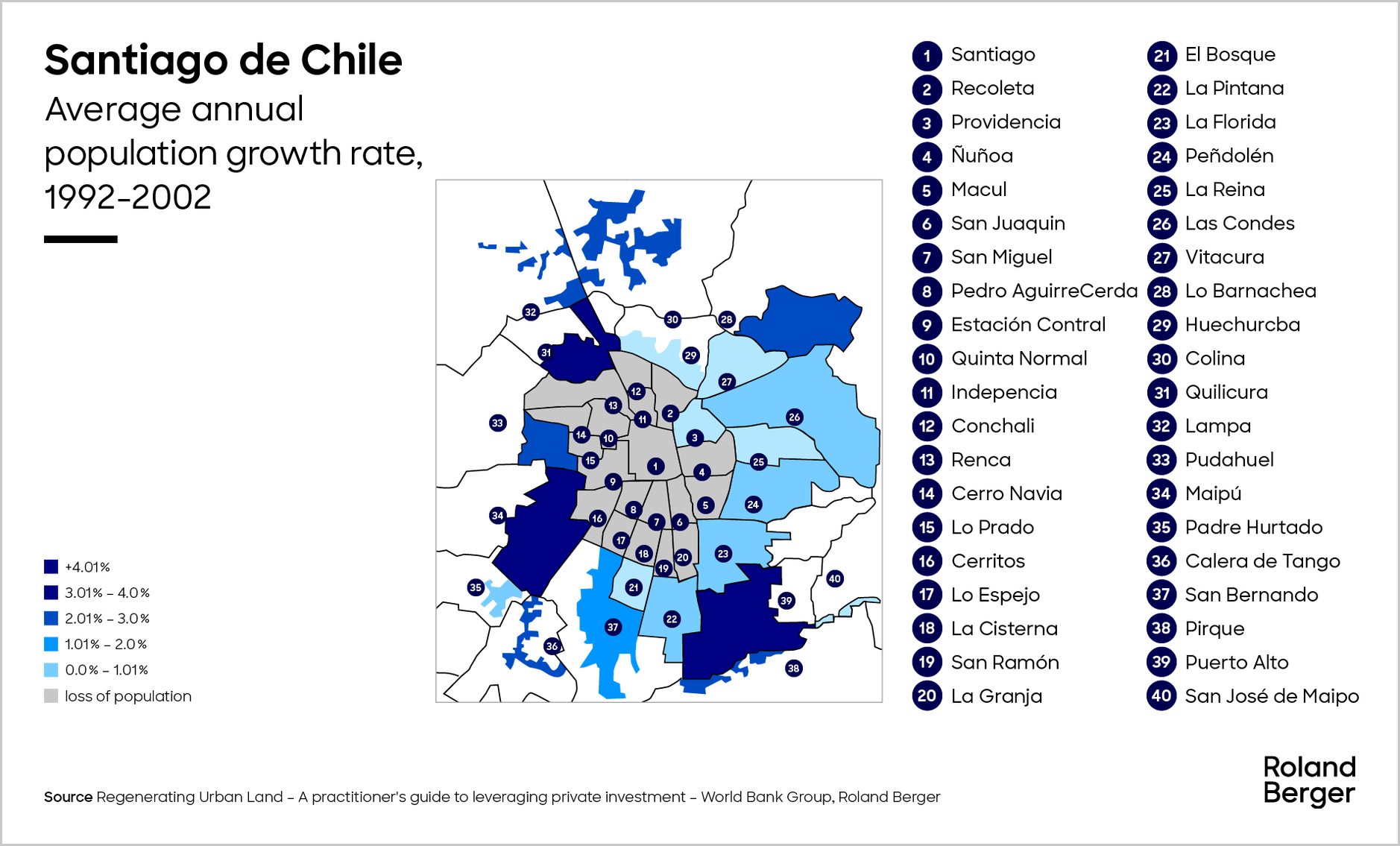
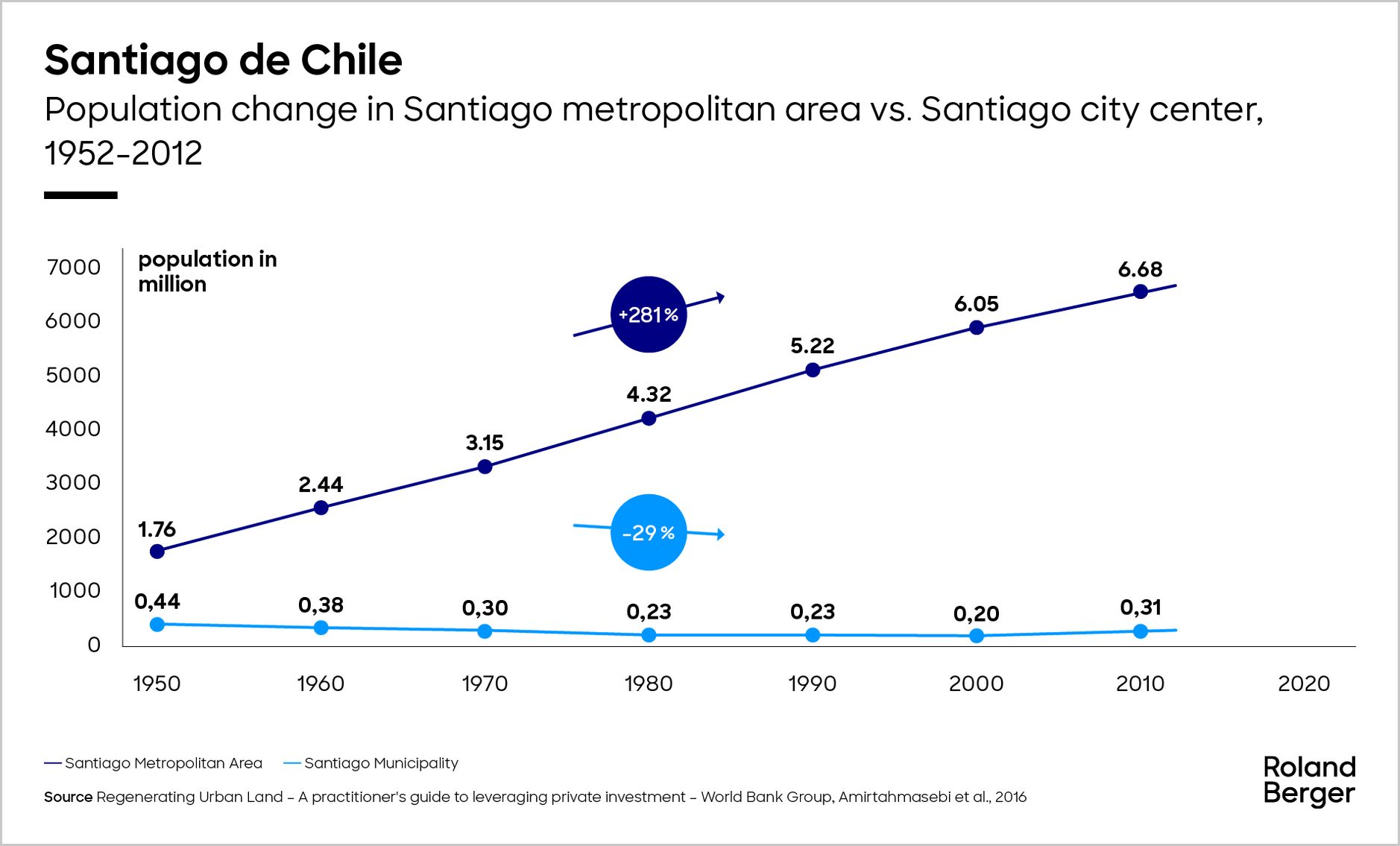
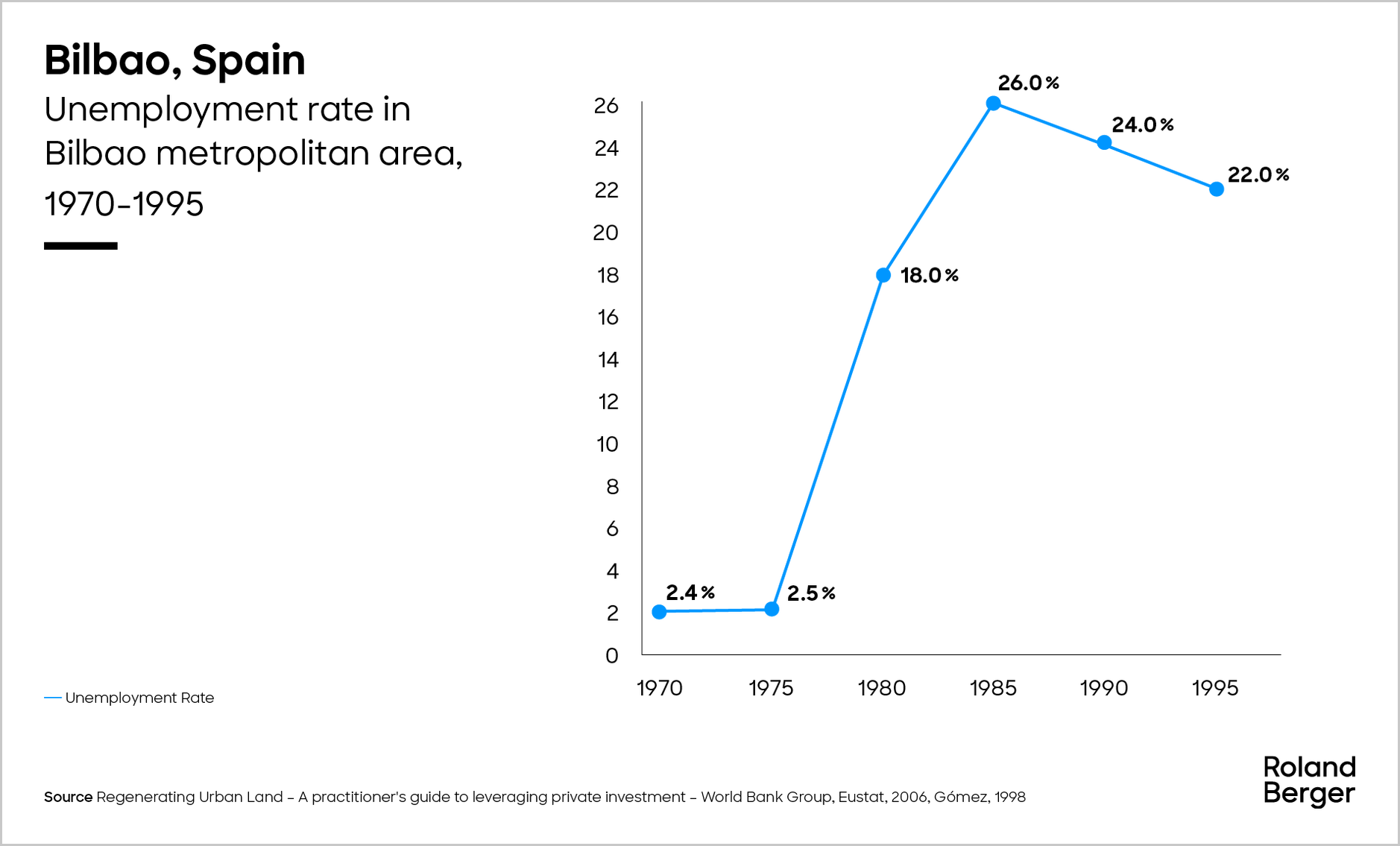
The case of Bilbao highlights another key factor in urban deterioration: the lack of effective planning and government oversight. In Bilbao, poor urban planning decisions from the 1960s led to chaotic land reductions, leaving large areas of undeveloped land near urban zones. Similarly, in Johannesburg, following the end of apartheid, there was no effort to reorganize the spatial planning, which resulted in investments shifting to the suburbs and the continued decline of the city center. Urban blight can also be driven by deficiencies in infrastructure and services, including the deterioration of public spaces and inadequate public services.
The power of positive action
Case study: Old Al Ghanim district, Doha, Qatar
The Old Al Ghanim district in Doha, Qatar, is one of the city's oldest neighborhoods, characterized by its rich history and traditional architecture. However, over the years, the area has experienced significant changes due to rapid urban development. This has led to challenges such as deteriorating infrastructure and displacement of the original residents.
In response, a number of regeneration efforts have been initiated to revitalize the district, aiming to preserve its cultural heritage while improving living conditions and infrastructure. Key aspects include:
Improving infrastructure: Upgrading roads, utilities and public transit to enhance connectivity and accessibility
Engaging the community: Involving local residents in the planning process to ensure the redevelopment meets their needs and preserves the area's social fabric
Sustainable development: Implementing environmentally friendly practices to create a sustainable urban environment
Case study: Central Riyadh, Riyadh, KSA
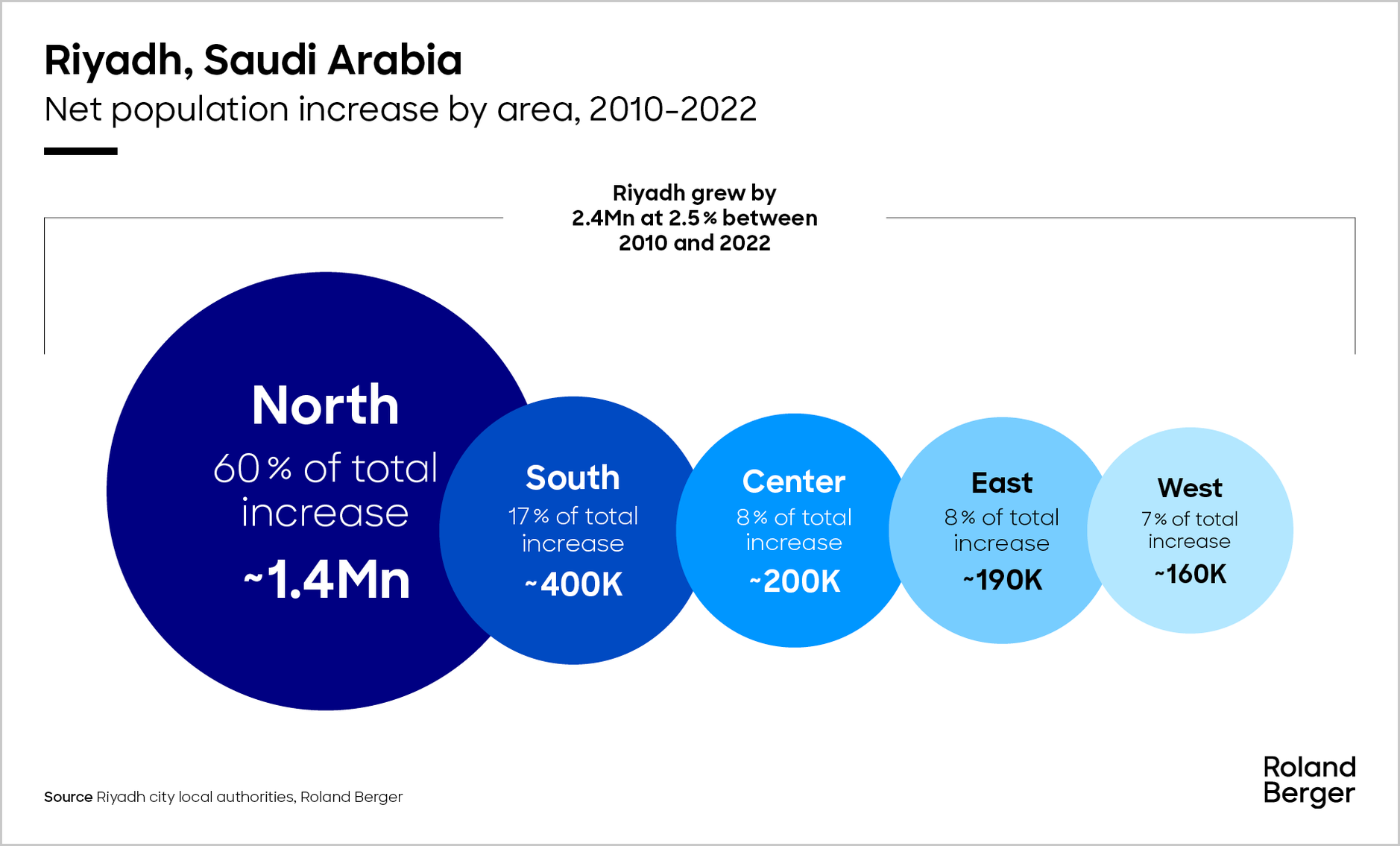
Riyadh has seen extensive urban development since the early 1930s, transforming it from a compact desert settlement into a sprawling metropolitan hub. Since 2010, the city's population has grown by more than two million, an average annual growth rate of 2.5%. Growth is predominantly concentrated in the northern corridors, which account for more than 60% of new developments, driven by large-scale infrastructure investments, high-end residential projects and commercial expansion.