Call for action for GCC players
The GCC region is making significant progress toward decarbonization. Countries in the region have announced ambitious pledges to reduce emissions: the United Arab Emirates (UAE) and Oman target Net Zero by 2050, while Saudi Arabia, Bahrain, and Kuwait by 2060, and Qatar aiming for a 25% reduction in emissions by 2030.
Efforts to avoid, reduce, and capture emissions at the source are already underway in various regions. However, for large and challenging industries like cement, steel, and aluminum, the current viable and under-development technologies will not be sufficient to achieve true Net Zero in the mid-term.
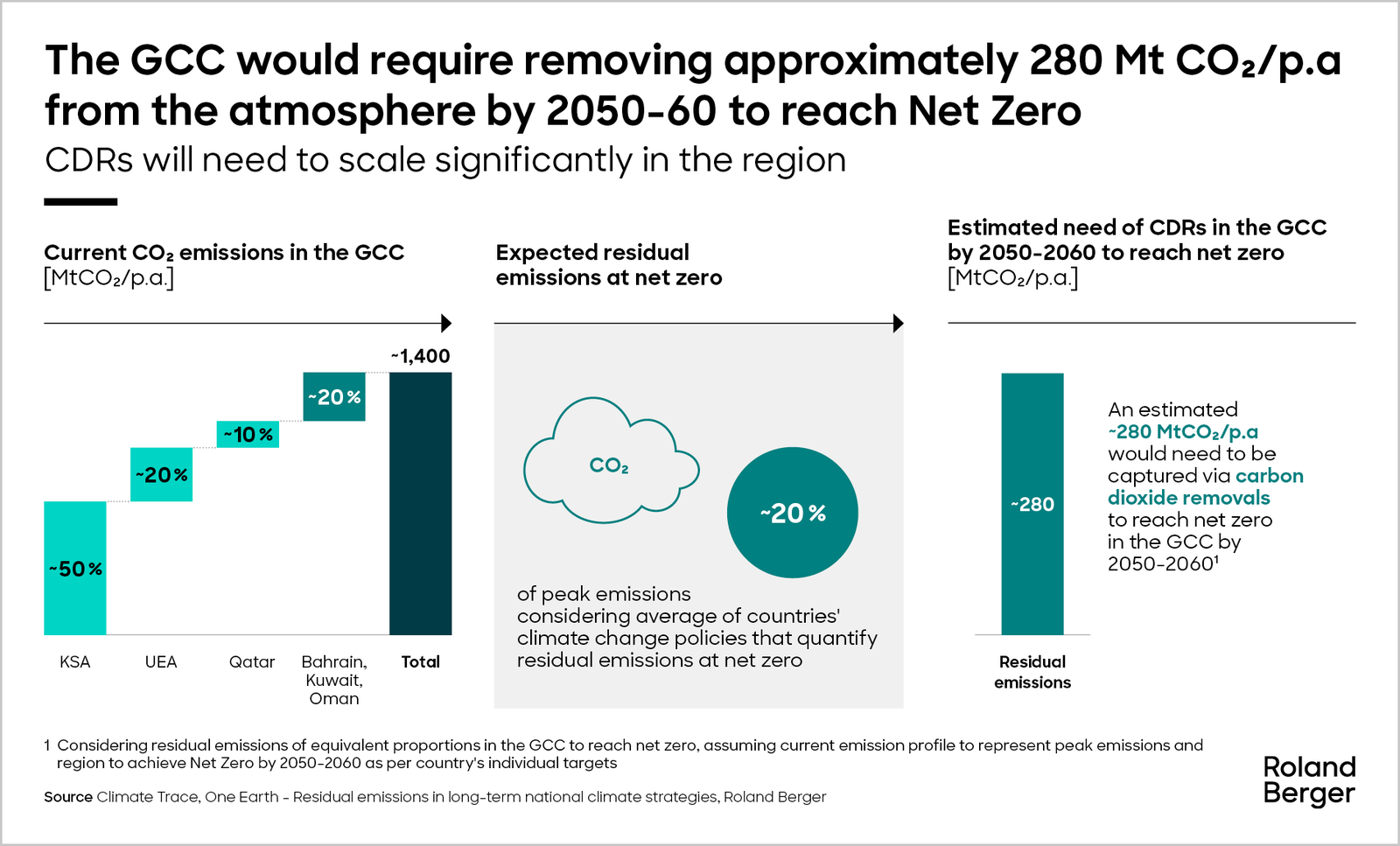
The GCC countries currently emit about 1,400 Mt of CO₂ per year [4], with Saudi Arabia, the UAE, and Oman accounting for more than 80% of the region’s total emissions. Achieving Net Zero targets is essential for global climate policy, implying the need to remove carbon dioxide from the atmosphere to offset residual, hard-to-abate emissions.
On average, residual emissions account for approximately 20% of a country’s peak emissions needed to achieve Net Zero according to their climate change policies that quantify residual emissions at Net Zero [5] .
To achieve net zero emissions in the GCC, we need to consider the residual emissions of similar amounts. Assuming that the current emission levels represent peak emissions, the GCC would need to remove approximately 280 million tons of CO₂ per year from the atmosphere by 2050-2060 to reach Net Zero.
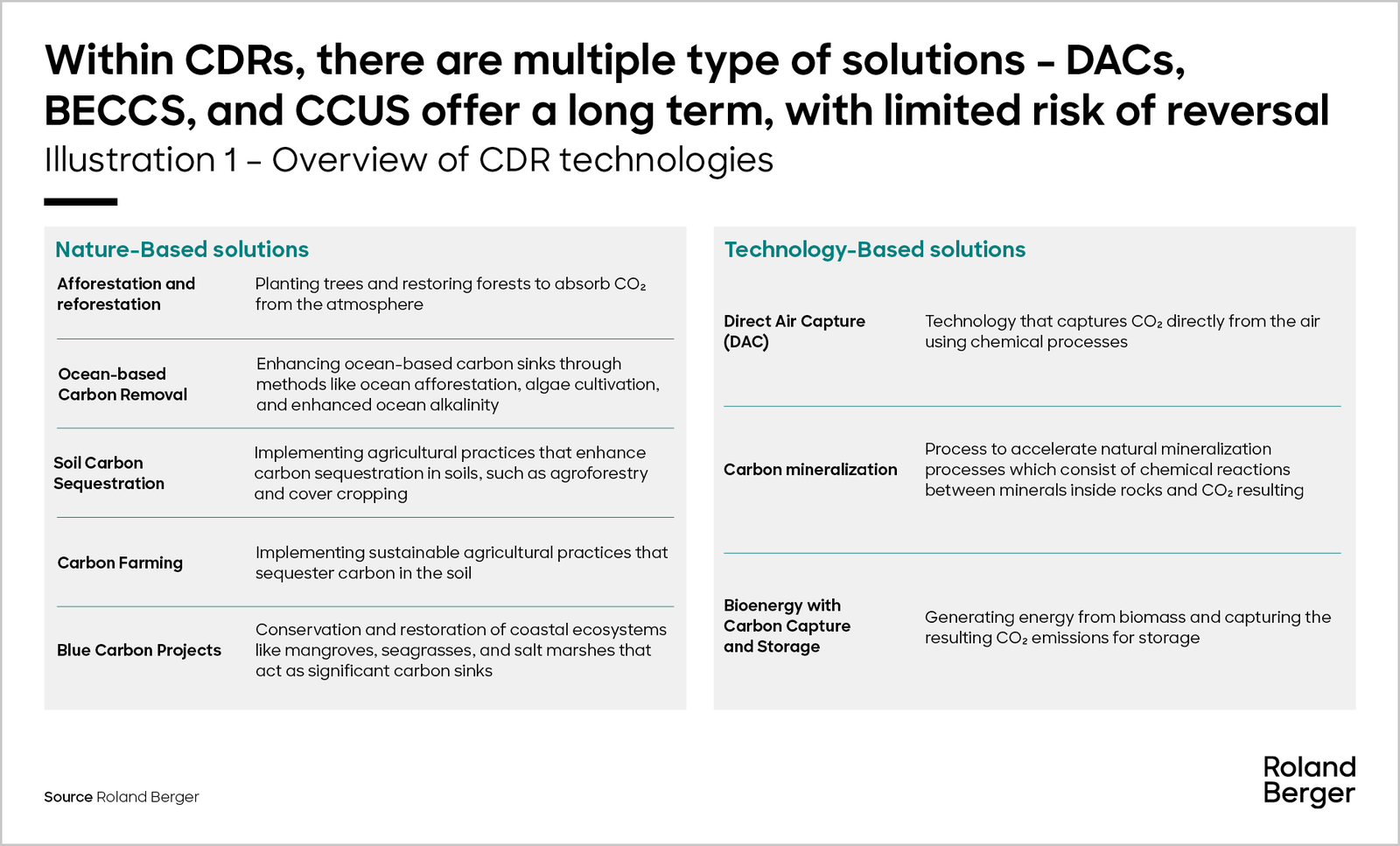
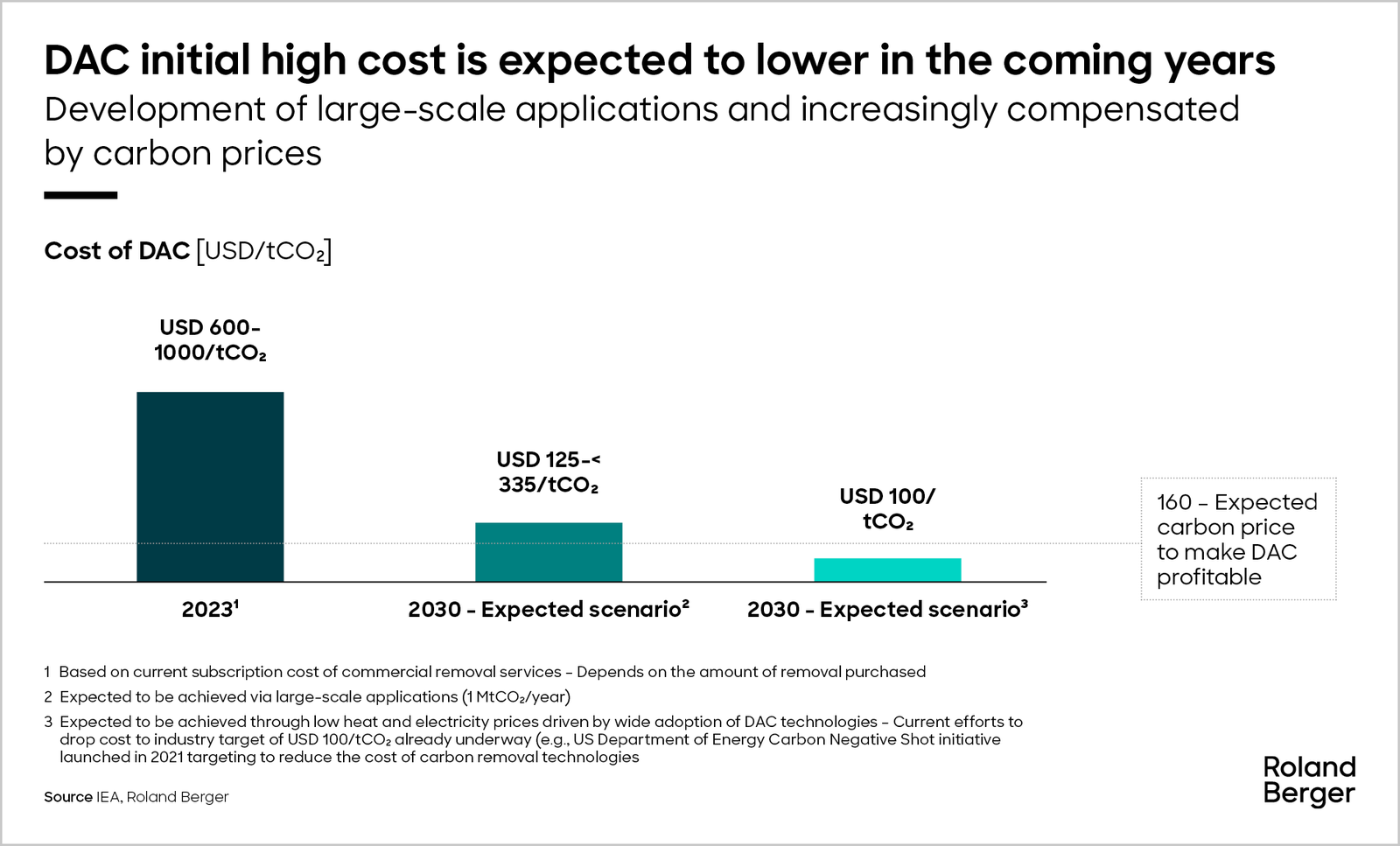
Given the regional limitations for nature-based carbon removals, achieving a reduction of approximately 280 million tons of CO₂ per year in the GCC would require the implementation of primarily technology-based CDR solutions. The required capacity for these solutions would be nearly 600 times greater than the current global DAC removal capacity. This highlights the critical need to scale up the development of this technology and encourage early adoption in the region.