Generative AI (Gen-AI) is set to transform all industries, and that is not a superlative statement. Many may have predicted the Metaverse or Web 3.0 to lead the digital transformation, but it will be Gen-AI, simply because the use cases are more obvious, and impactful.
The new code in Telecoms
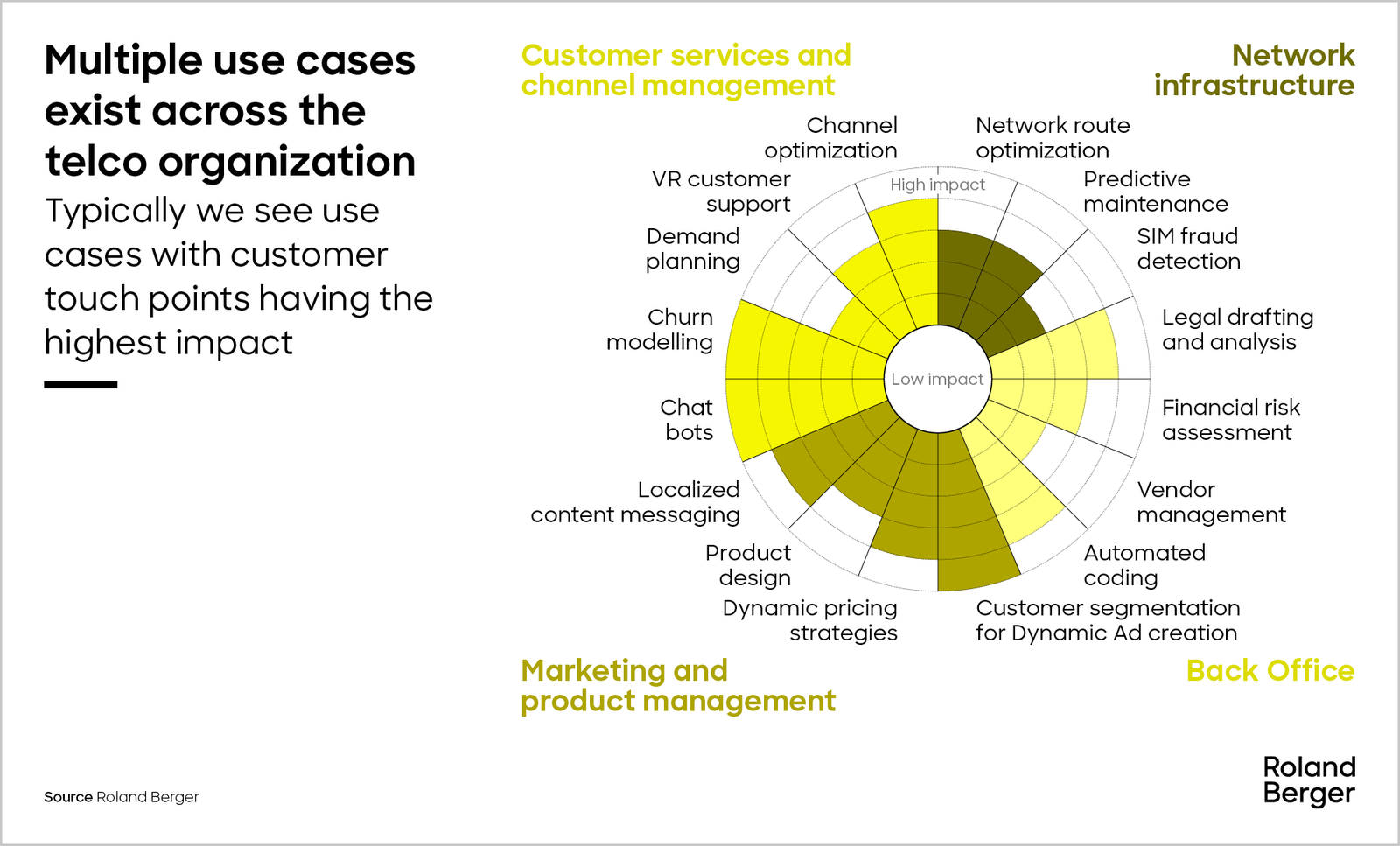
It would be logical to assume the benefits of Gen-AI to be somewhat marginal in Telecommunications as the industry has traditionally been an early adopter of emerging technologies. However, there are many impactful uses for Gen-AI across different functions of Telecom providers (Telcos) that span network infrastructure, back-office operations, marketing and product management, and customer service. The aim of this article is to simplify what is meant by Gen-AI and showcase its power through select use cases, deep diving into how it can revolutionize customer touchpoints and aid in preventing churn.
To demonstrate the capabilities of Gen-AI, we have included imagery related to our select use cases and concluded with a section authored by Gen-AI — a process that has been an interesting learning experience.
In this article, we explore how Telcos can integrate Gen-AI across their business, with a focus on enhancing customer touchpoints and preventing churn.
Charting the AI genome: AI 101
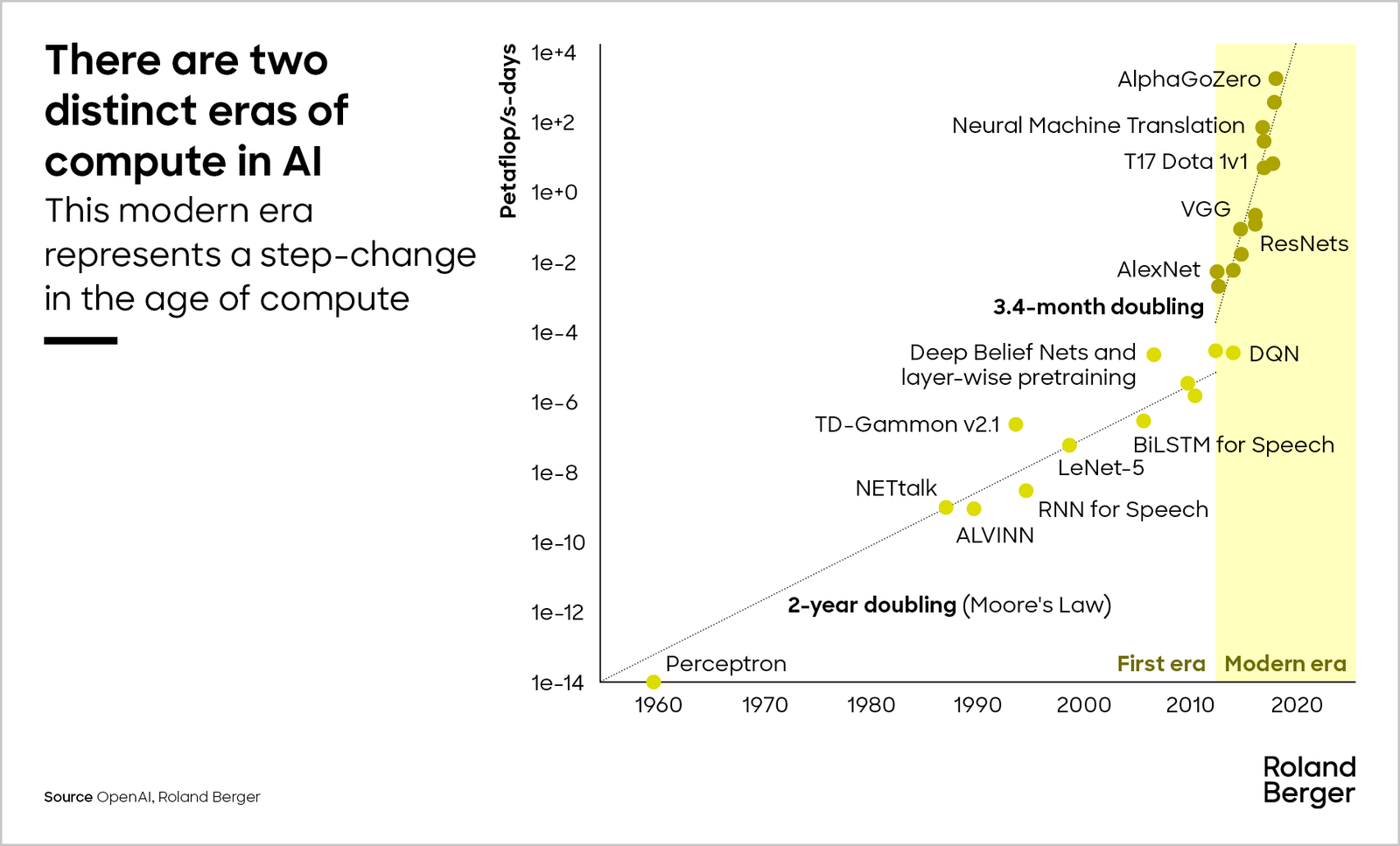
While Gen-AI may seem like a 2023 innovation, it has been around since the 1980s. Primitive applications existed in video games such as "Rogue" and "Elite," which used procedural generation to create random environments for players. And this ability to generate new data is the core of Gen-AI. For example, new data can include text, imagery, video, voice, and other synthetic data. The Gen-AI that has been propelled into the spotlight has only been made possible thanks to the technological advancements of the past two decades, which are important to cover.
The development of deep learning and machine learning (ML) models throughout the 2000s and 2010s enabled a move away from rigid, deterministic models. This evolution led to the development of Generative Adversarial Networks (GANs), which pits two models against each other: one aims to generate realistic data, while the other tries to distinguish real data from that which has been generated. It is akin to a jeweller distinguishing a genuine diamond from a lab-grown one. The adversarial strategies of GANs has produced data often indistinguishable from real-world data and made it the cornerstone in the evolution of Gen-AI.