Measure nudges like a product
A prompt is not effective simply because it appeared on a screen. We should measure nudges with the discipline we apply to digital products: test the intervention, observe the outcome and refine or retire it based on evidence.
Four KPIs provide a useful starting point:
Dismissal rate. Track the share of prompts dismissed without a change to the request, alongside immediate click-through rates. Persistent dismissal may indicate poor relevance, timing or excessive frequency. Some unchanged requests will be justified, so dismissal alone is not proof of failure.
Time to decision. Measure the time between displaying a prompt and the next meaningful action. Repeatedly dismissing prompts without reviewing the information presented may indicate that stakeholders are ignoring the guidance rather than considering it. Tracking dismissal patterns can help identify prompts that need to be redesigned or eliminated.
Post-nudge spend delta. Compare the original request with the resulting commitment. Track changes in quantity, specification, supplier, use of existing capacity or cancellation. Follow the transaction through completion so a delayed or resubmitted purchase is not mistaken for a saving.
Behavioral change over time. Track whether avoidable requests become less frequent among comparable users and transactions. Are duplicate purchases declining? Are teams selecting existing solutions before a prompt is needed? Normalize for changes in business activity and monitor whether spending moves into other channels.
These metrics help us understand whether nudges are influencing decisions, but they don’t necessarily demonstrate savings. Finance still needs to validate whether changes in purchasing behavior translate into sustained reductions in spend.
To establish incremental value, compare nudged requests with comparable requests that did not receive the intervention, ideally through randomized testing where practical. Test peer comparisons against financial-impact messages, or consistent prompts against message rotation. Assess decision quality and processing time alongside spend, so a lower purchase value does not conceal operational harm or unnecessary delay.
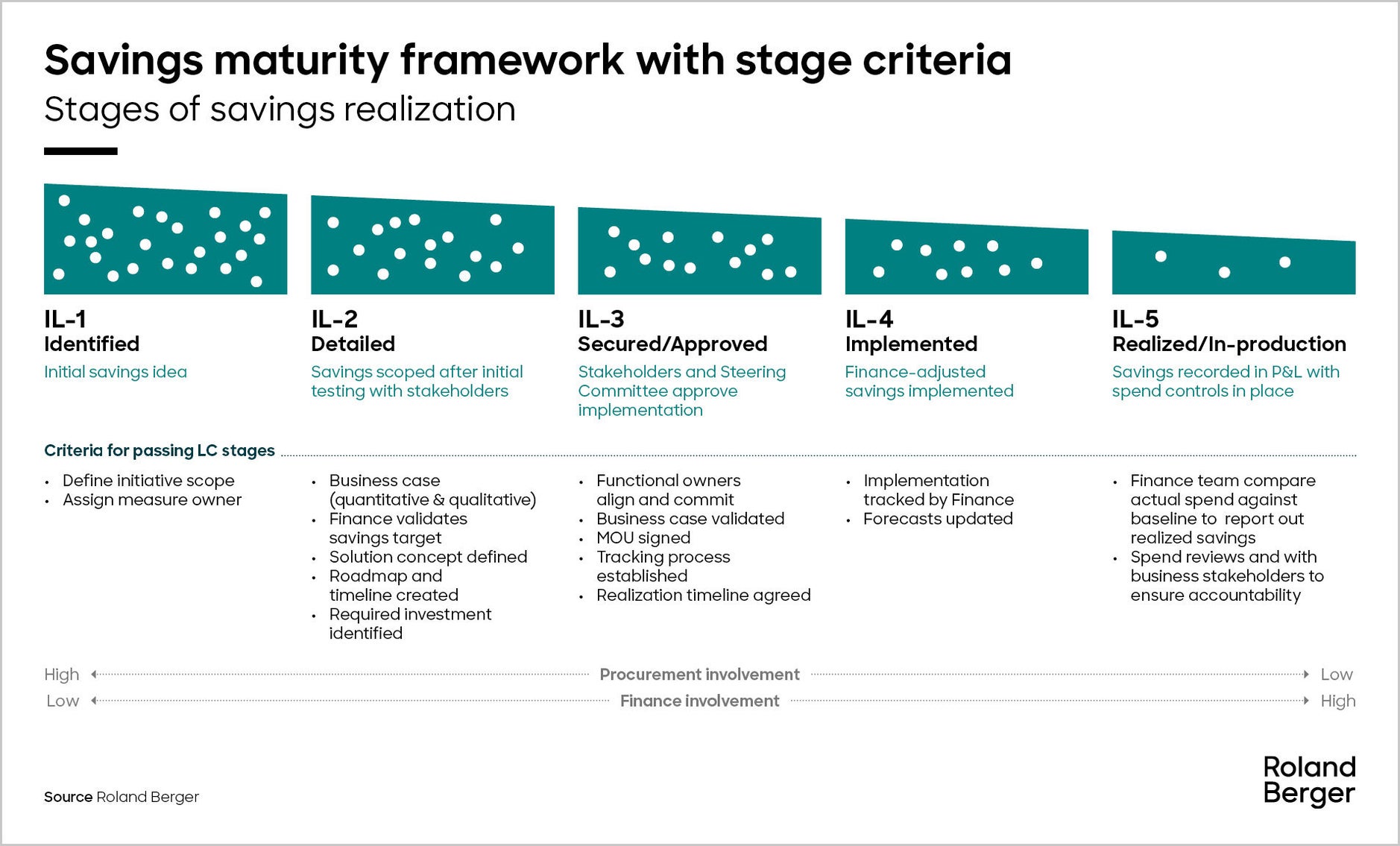
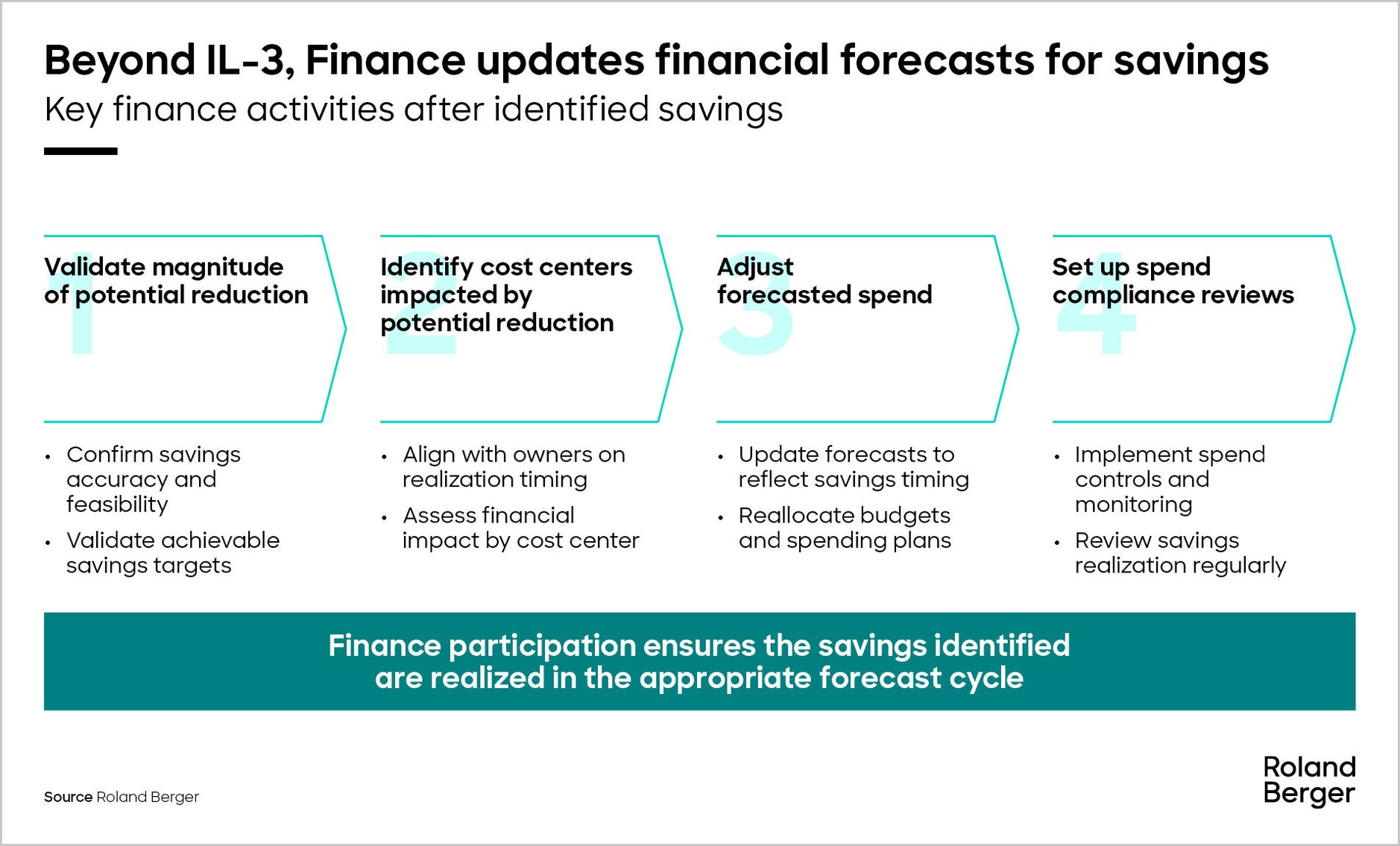
Finance should then validate the resulting benefit and connect it to the spending baseline and actuals. Avoid double counting benefits already attributed to sourcing initiatives. A cancelled request, a lower requisition value and a sustained cost reduction are different stages of evidence, not interchangeable savings claims.
The objective is continuous improvement. Retire low-value prompts, refine effective ones and watch for declining relevance. If behavior improves, fewer eligible requests should need intervention. Simply showing fewer prompts is not evidence that demand has changed.