Ranking energy priorities – and current progress
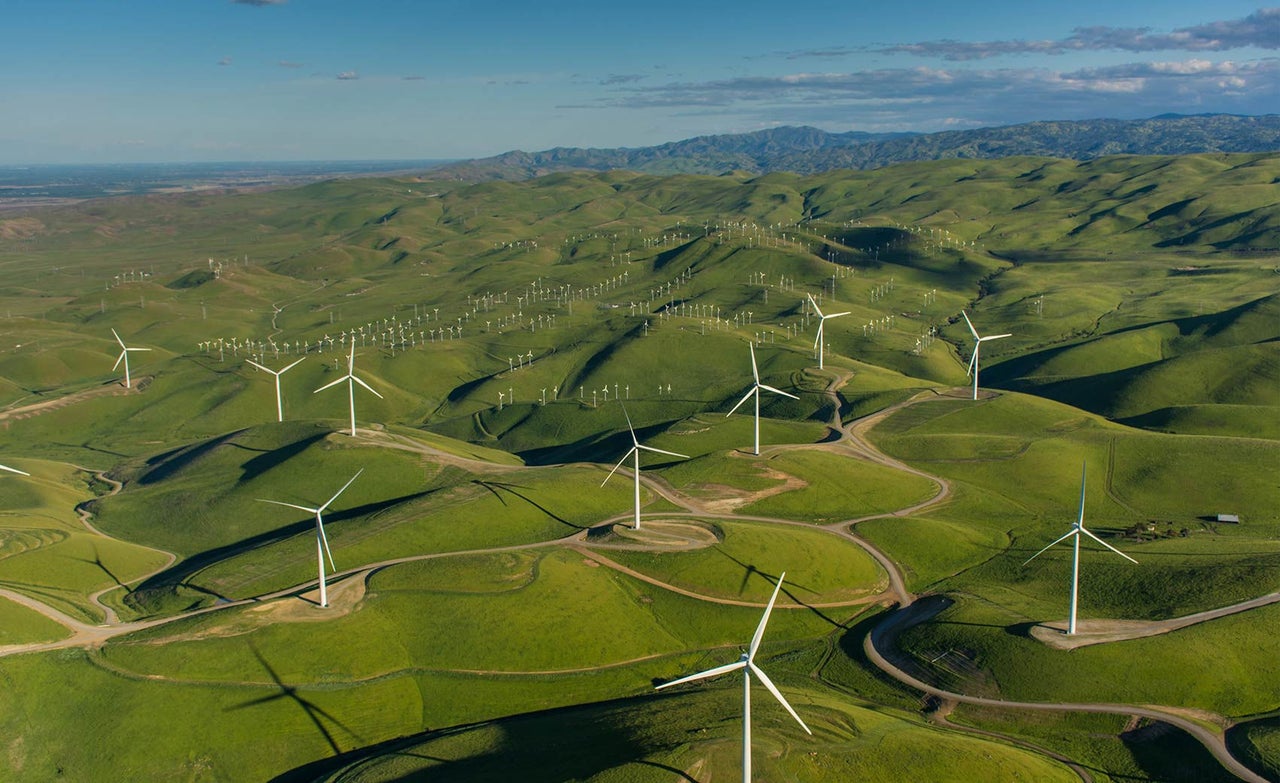
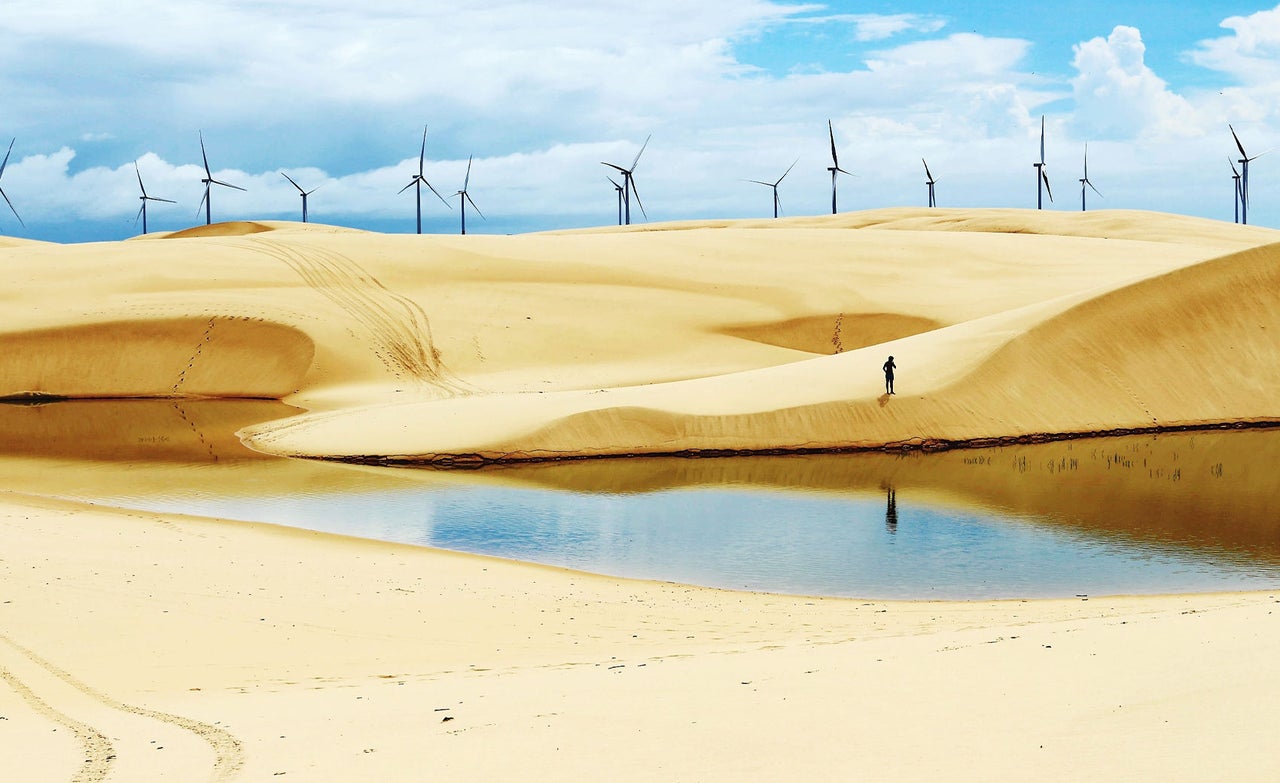
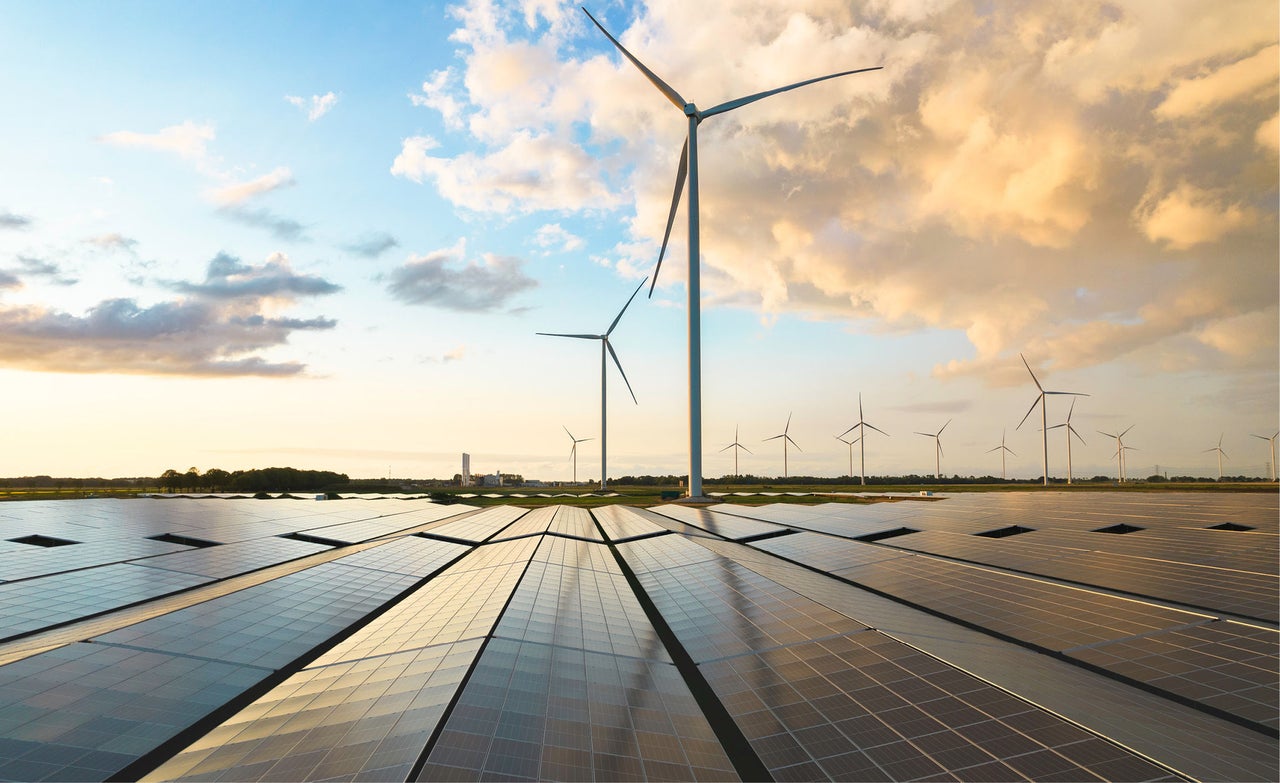
Overall, conference participants considered all 11 priorities relatively important for achieving the energy transition goals. The factor with the greatest potential impact, they believe, is speeding up the expansion of renewable energy. This is an area where technology is already mature and implementation therefore relatively straightforward.
In the Middle East, key economies have set themselves ambitious targets for clean, renewable capacity. For example, Saudi Arabia is looking to scale up the share of gas and renewable energy in its energy mix to 50 percent each by 2030 and aiming for installed capacity of 59 GW by the same year. Similarly, the United Arab Emirates has set itself ambitious targets for 2050: to improve energy efficiency by 40 percent, reduce emissions from the power sector by 70 percent and increase the share of renewables in the energy mix to 44 percent.
Conference participants reported that progress on the energy priorities overall was fairly advanced, although dedicated efforts would be needed to achieve the 2030 climate targets. The most progress has been made on accelerating renewables and achieving a fair energy transition. Participants also perceive the decarbonization of industry to be advancing well. By contrast, progress on power-to-x solutions has been slow so far, evidently due to the novelty of the technology. Focusing on this area and the export of low-cost green hydrogen from the region is essential for the global decarbonization effort.