Perspective of private players on the cargo segment: Comprehensive national-level measures are required to launch commercial AV deployment and demonstrate its benefits to end customers
While talking to prominent market players, it quickly becomes clear that everyone is ready to drive autonomous driving in the Middle East – but equally everyone is waiting for other stakeholders to commit. During an interview with Roland Berger, the CEO of one of the largest logistics companies in the region insisted that the USP of autonomous driving, including the cost benefits and improved labor conditions for drivers, needs to be demonstrated. The head of a leading cargo fleet manufacturer in the Middle East, which already works on pilots in enclosed areas, believes that opportunities for hub-to-hub autonomous transportation exist due to the high volumes of traffic and limited distances between cities. Market players see the potential in the application of autonomous cargo vehicles, but they are waiting for other stakeholders to take the initial steps.
In addition, contrary to the electrification of car and truck traffic, automated driving is not (yet) pushed by incentives in the region, and there is no pressure from customers, as we see it for the minimization of the carbon footprint. Many market players seem to be waiting for comprehensive initiatives on the national or regional level to proceed with their own solutions that demonstrate efficiency.
We see three key missing elements and gaps to be covered:
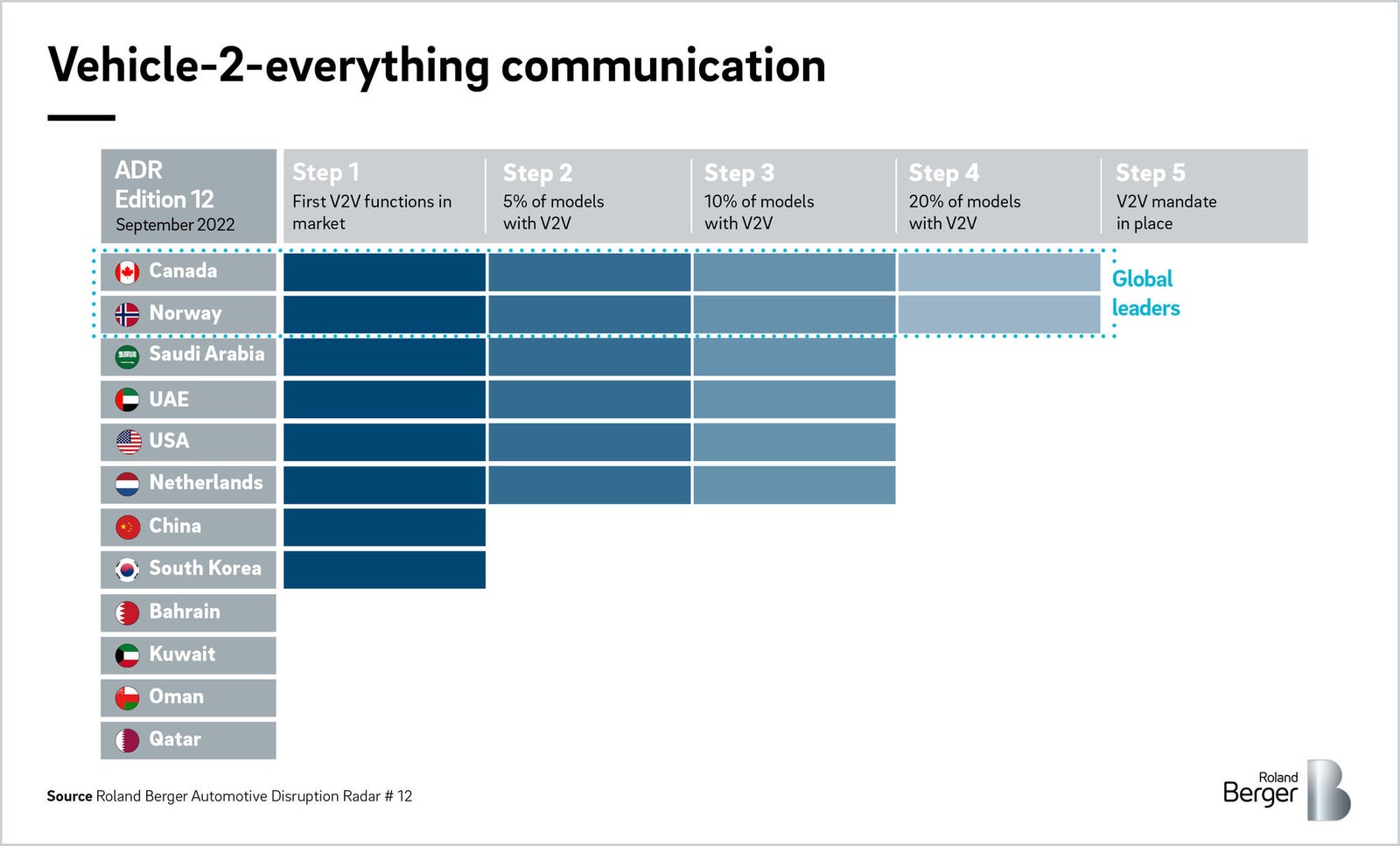
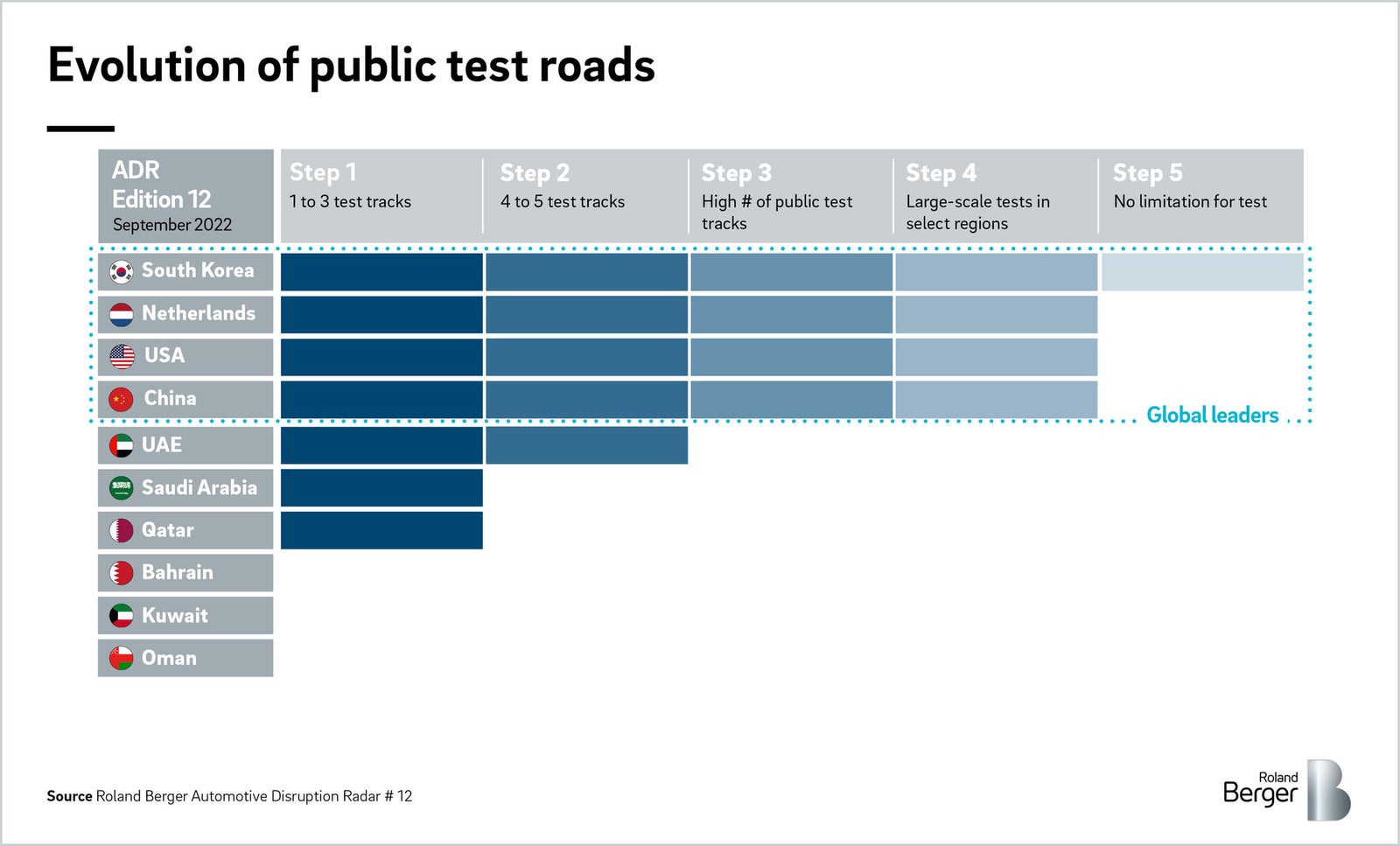
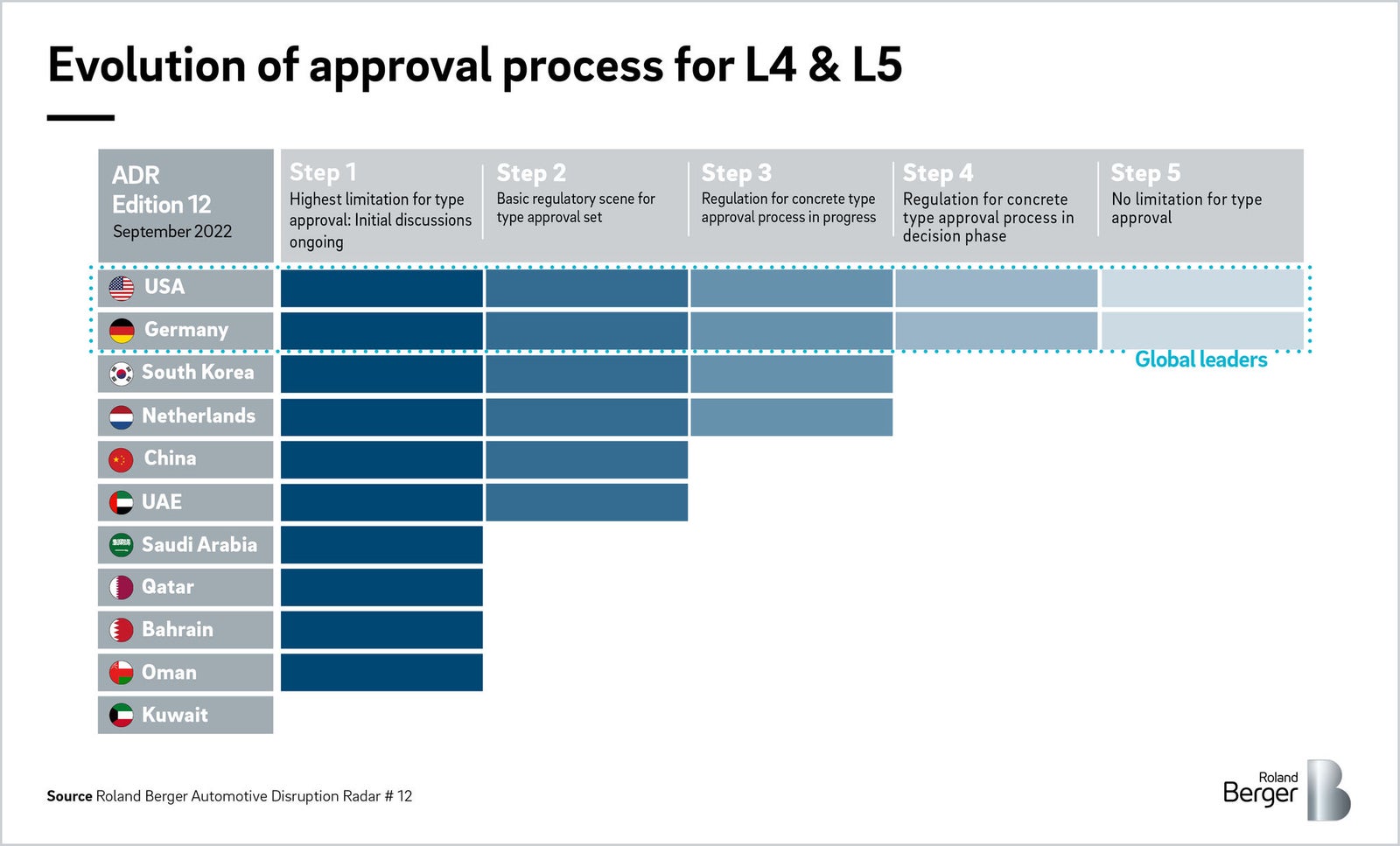
- Regulatory framework for piloting ('sandbox') and further commercial use, which should lay down an approach to certification and licensing of self-driving transport, incidence resolution, security guarantees and insurance
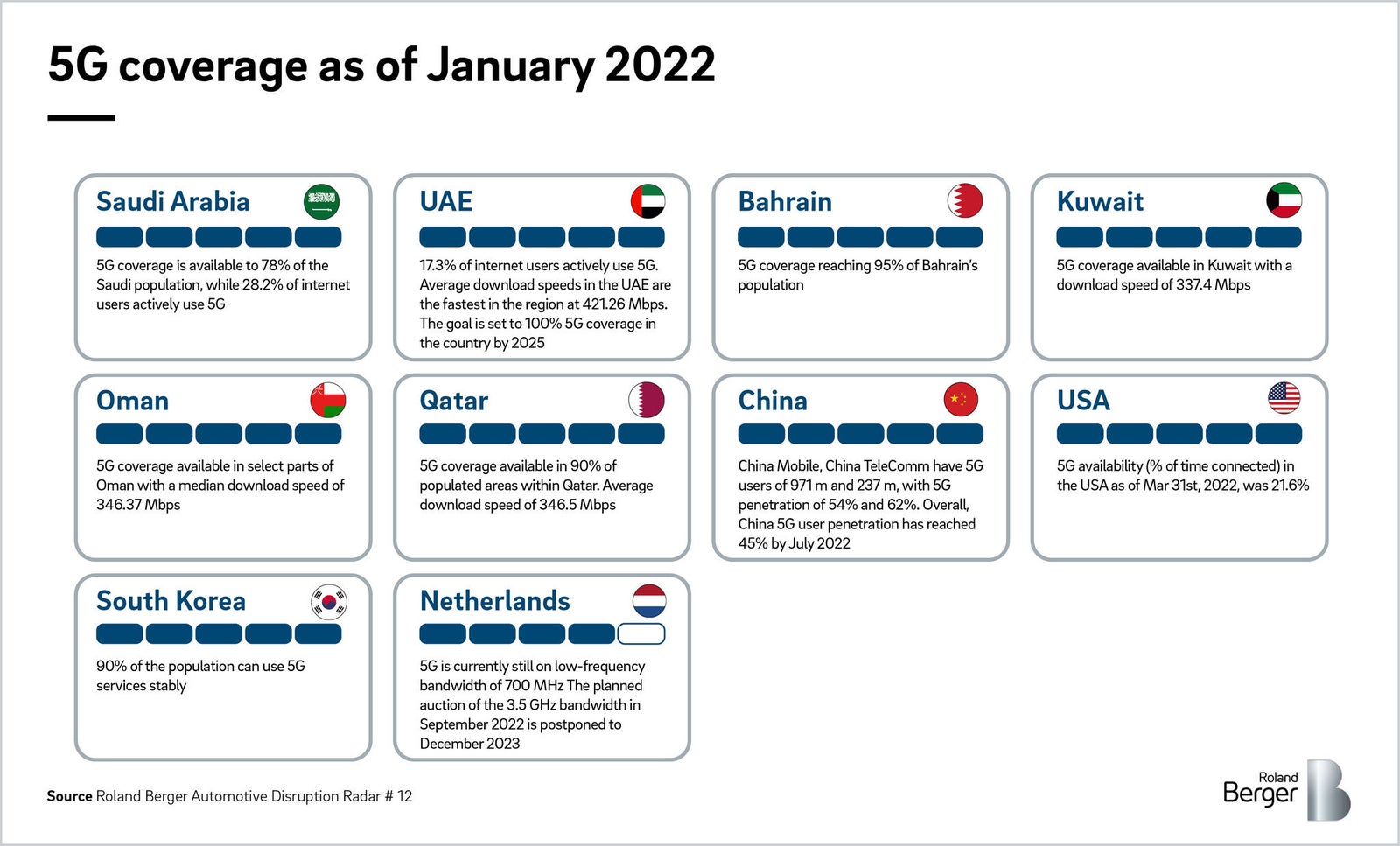
- Development of the infrastructure
- Coordination of efforts by diverse key players in the future automated ecosystem (ministries and other public sector actors, transportation and logistics companies, OEMs and technology providers, infrastructure players)
While the public sector retains the primary role in developing regulatory frameworks, infrastructure development and player coordination require joint efforts by public and private entities and should result in forming a comprehensive ecosystem.