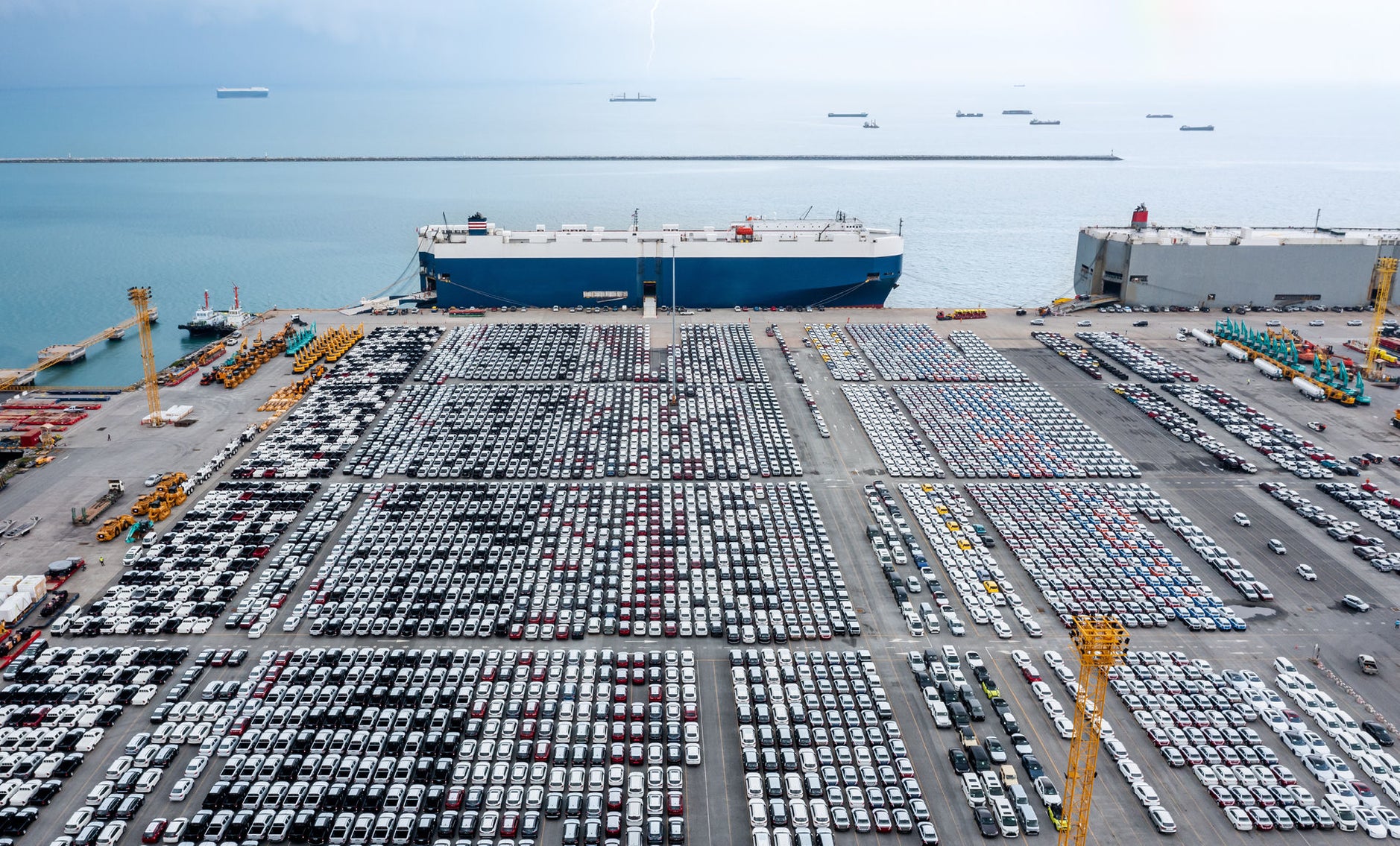
The challenges facing automotive players in today's volatile, uncertain world are greater and more far-reaching than ever before. Over the past few years, we have seen a major increase in geopolitical tension in what was already a strained economic situation. The transformation of the automotive world will continue in the years between now and 2040, and uncertainty looks likely to increase. Automotive players are engaged in a marathon, not a sprint – and must pace themselves for the geopolitical, demographic and macroeconomic challenges of the coming decade and a half.
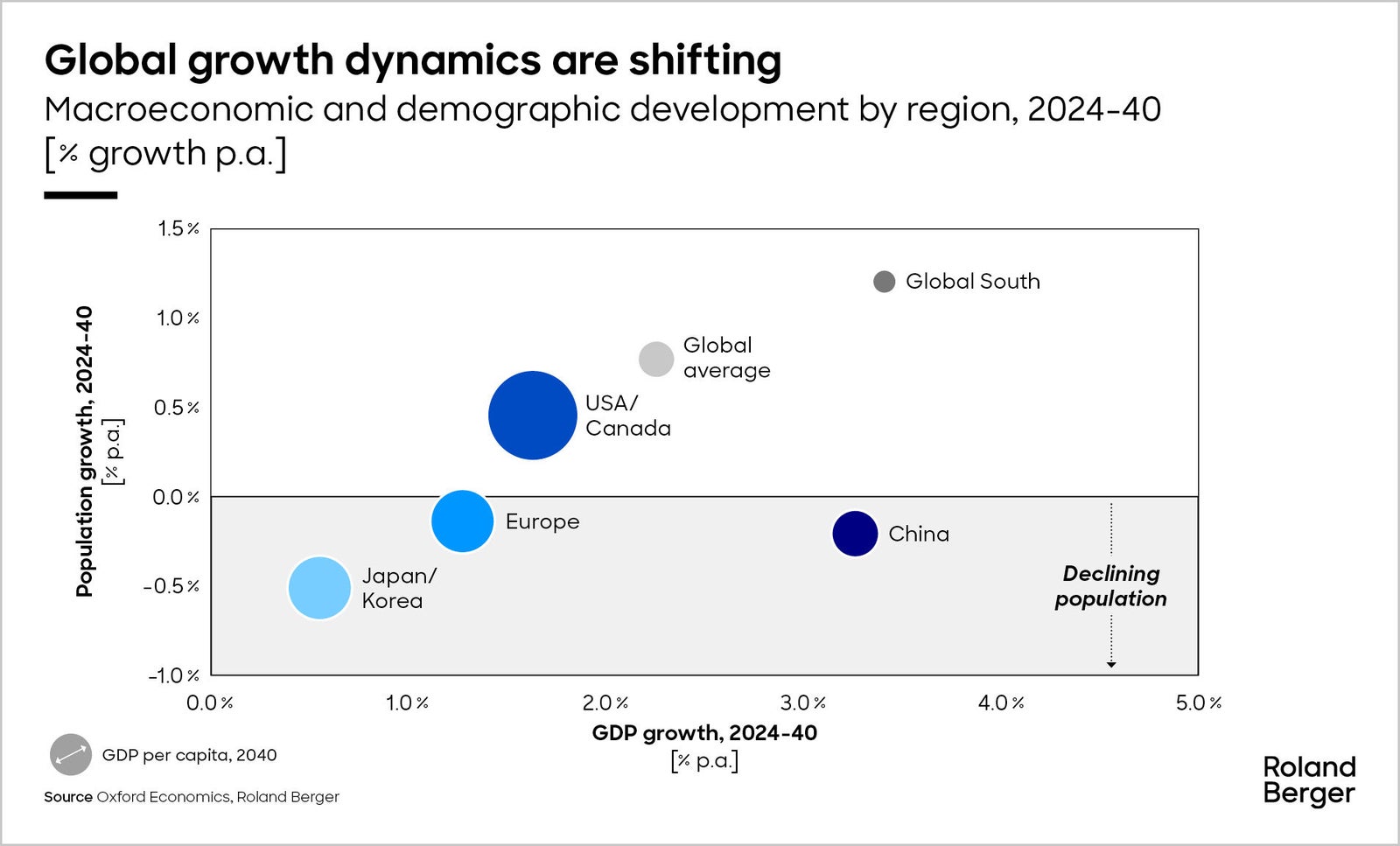
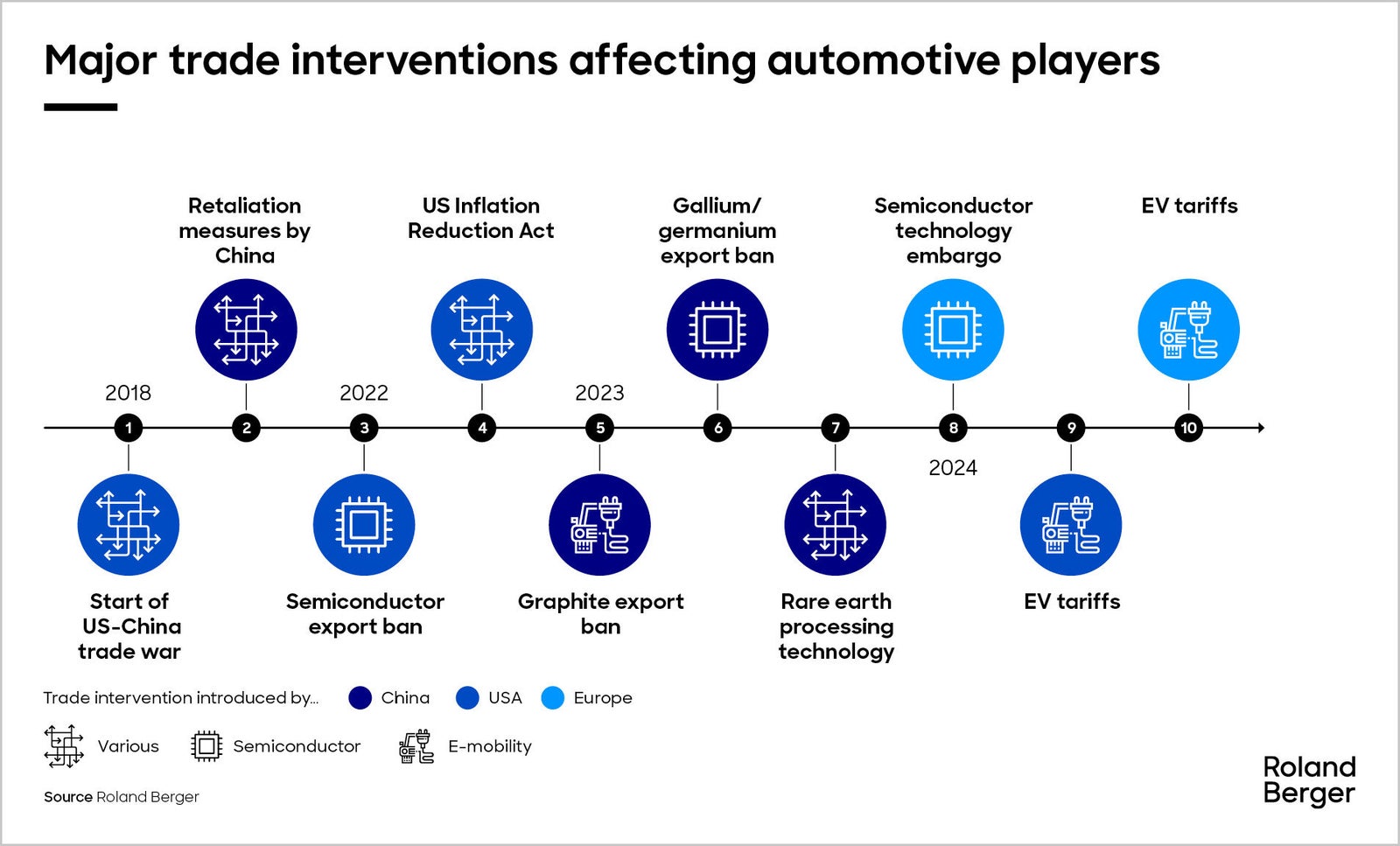
Polarization does not mean confrontation. It means a challenge for global players to find the right strategy to address markets in which a unique global standard does not exist anymore.
Felix Mogge
Senior Partner, Supervisory Board Vice Chairman
Munich Office, Central Europe