Co-Authors: Carina Kiessling (Project Manager), Alexander Heuer (Project Manager)
A new era of
quantum technology
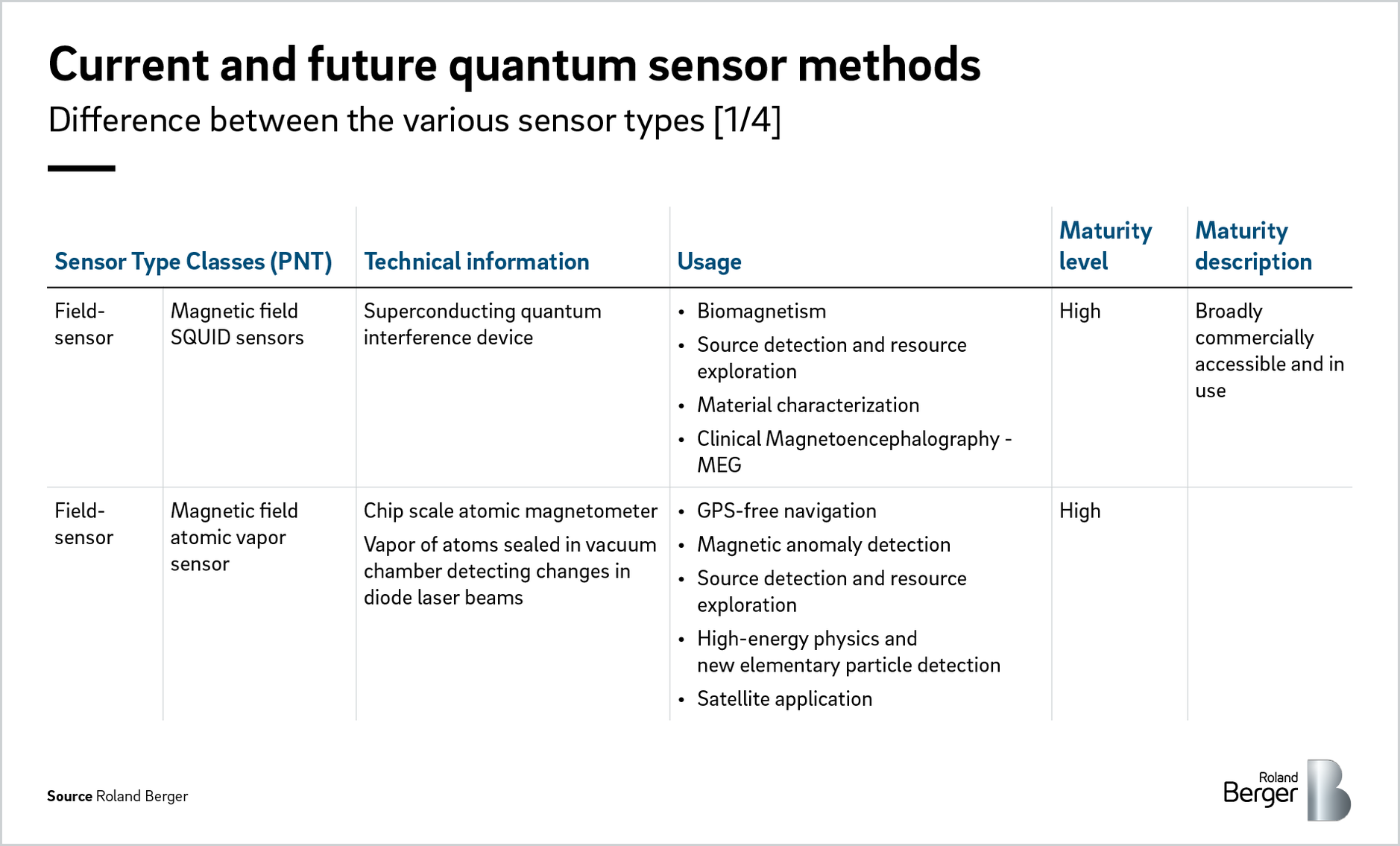
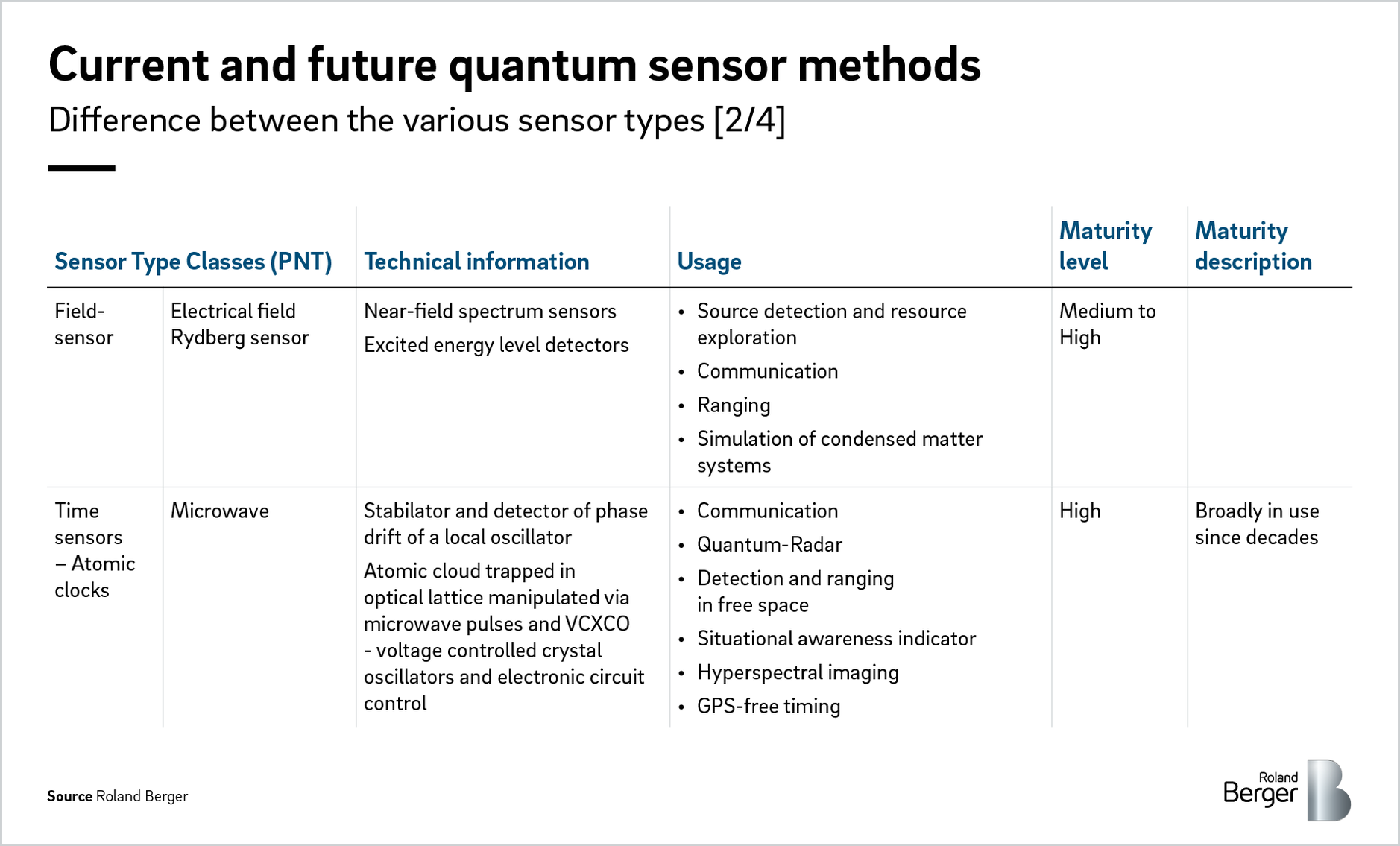
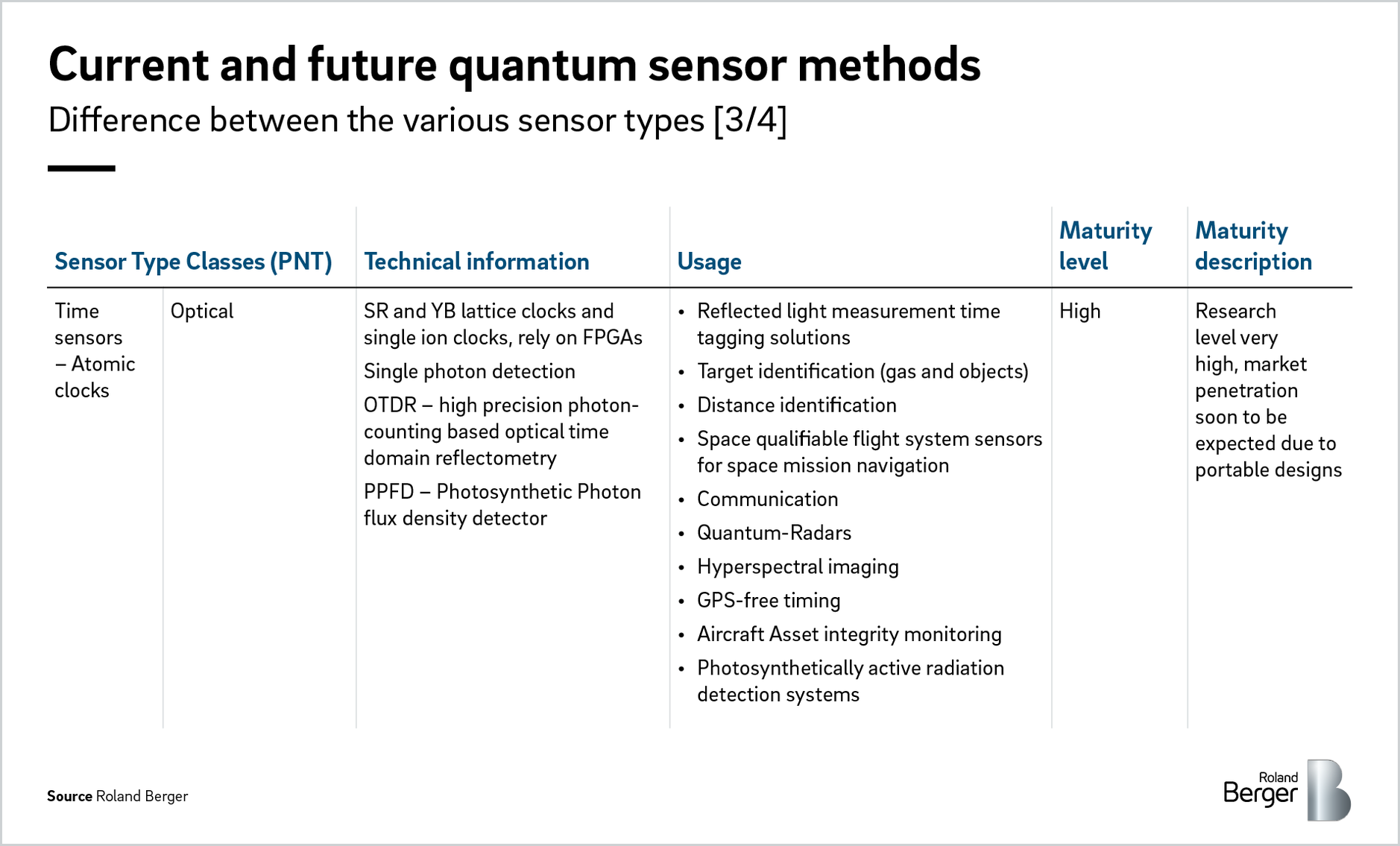
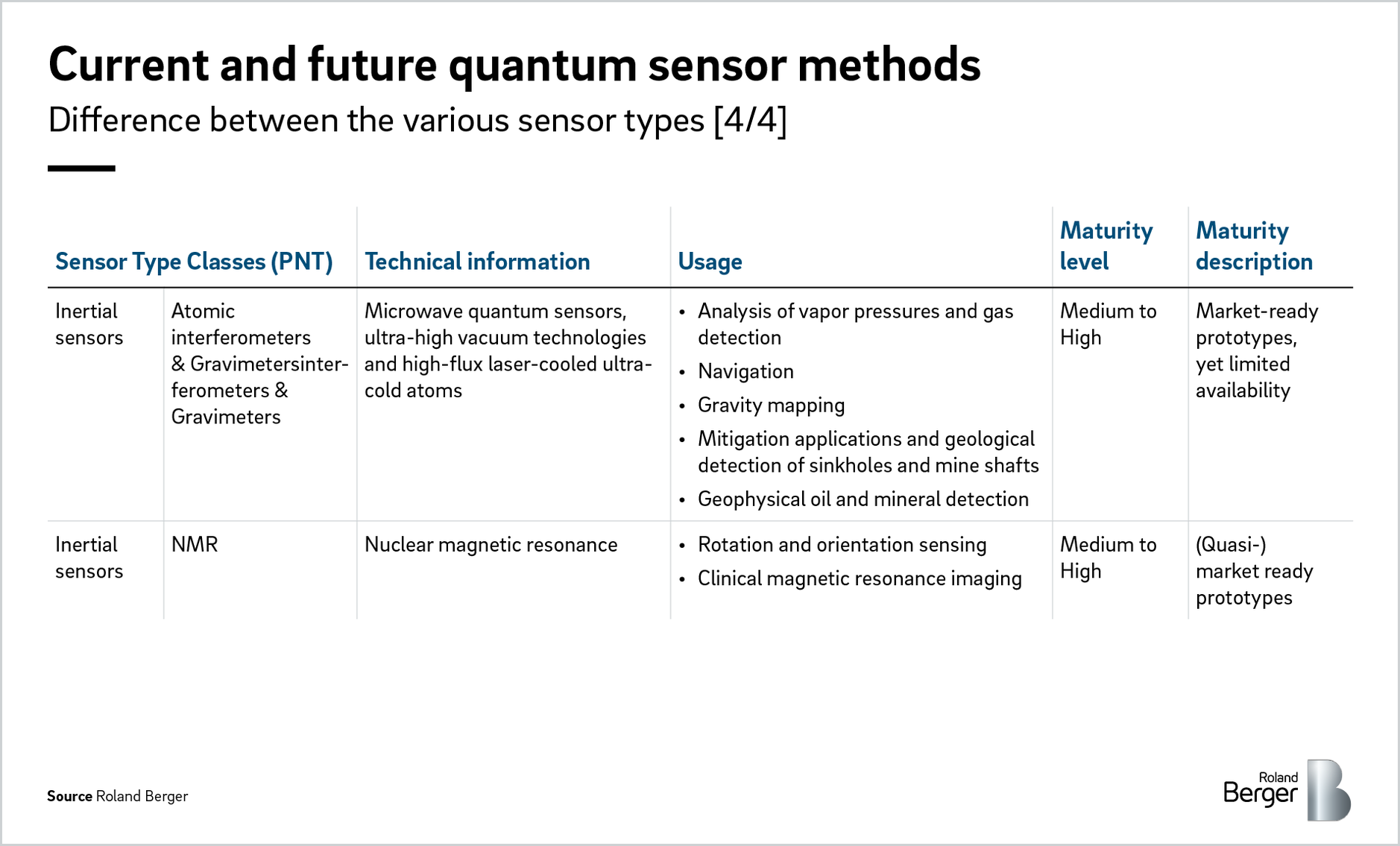
has arrived. Known as “quantum sensing,” the field applies the design and engineering of quantum sources and their measurements to improve overall sensing capacity and accuracy. According to the latest research, these new quantum devices will improve measurements in superposition, atomic clocks, superconducting interferences, and nuclear magnetic spectroscopy to name a few.
But it’s not just technology for technology’s sake. Quantum sensors will improve a wide variety of industries, including automotive (remote sensing and magnetometry), aerospace and defense (positioning, navigation, and timing), bio-medical and chemistry technologies, and general telecommunications. These new sensors are expected to revolutionize meteorology, environmental technology, and rescuing and evacuation systems.
Consequently, first mover advantages are currently in play. In fact, we are already tracking billions of dollars in global R&D investments as the startup landscape quickly grows. Major technology and sensor companies are heavily investing in-house and with outside partners to get a leg up on the competition. While leading players have understood the need to explore quantum sensor applications before, new designs, manufacturing paths, and business models have recently accelerated. And they have done so rather quietly when compared to the attention that quantum computing has garnered in recent years.
Either way, quantum sensing is here to stay. Here’s everything you need to know about the latest research and applications.