The shift to these high-performance units means the share of leading-edge and advanced logic chips in cars is rapidly increasing. Advanced semiconductors (and their manufacturers) are therefore contributing a higher share of value. This is leading to a change in supply chain dynamics, with more direct collaboration between OEMs and traditional tier-2 semiconductor suppliers.
The move away from legacy semiconductors gives non-traditional OEMs an advantage. Their products are already built around centralized architectures that rely more on advanced semiconductors than mature or legacy nodes. As these are less affected by the supply crunch, it reduces their exposure to it. This gives traditional OEMs an additional incentive to speed up their transition to centralized architectures.
Another important factor is that expansions in
semiconductor capacities
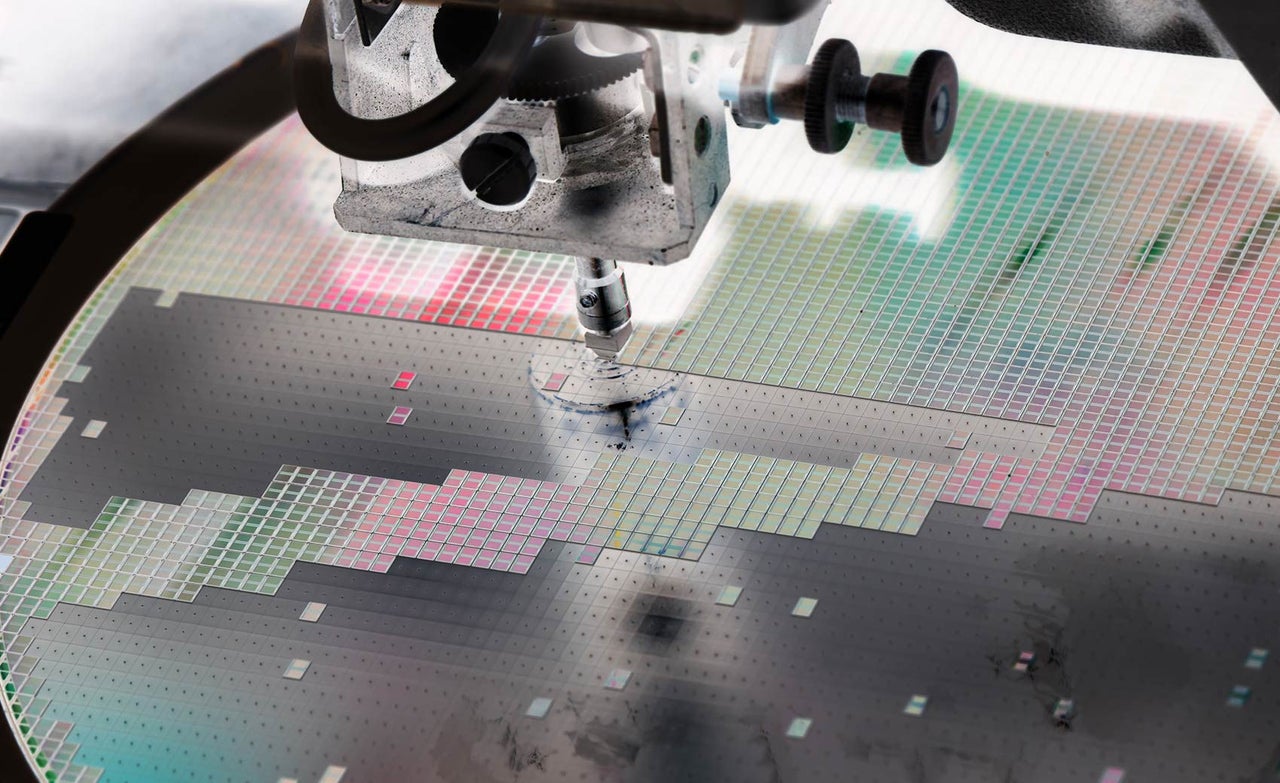
are not filtering down to automakers. Investments typically focus on expanding leading-edge nodes, rather than the legacy nodes upon which conventional cars are so reliant. For example, new production capacity planned for 2021 and 2022 will provide relief only for advanced logic (+ 9%), memory (+ 8%) and discrete (+ 7%) ICs.
Ramping up new semiconductor production will not solve the supply crisis in the short term, either. Extension of capacity takes time – three to four years to build and ramp up leading-edge capacity, and up to two years to shrink or move to larger wafers and requalify legacy devices. As a result of these factors, we do not expect a rapid easing of the shortage of legacy nodes, with no sign of relief before 2023.