Digitalization as the next accelerator
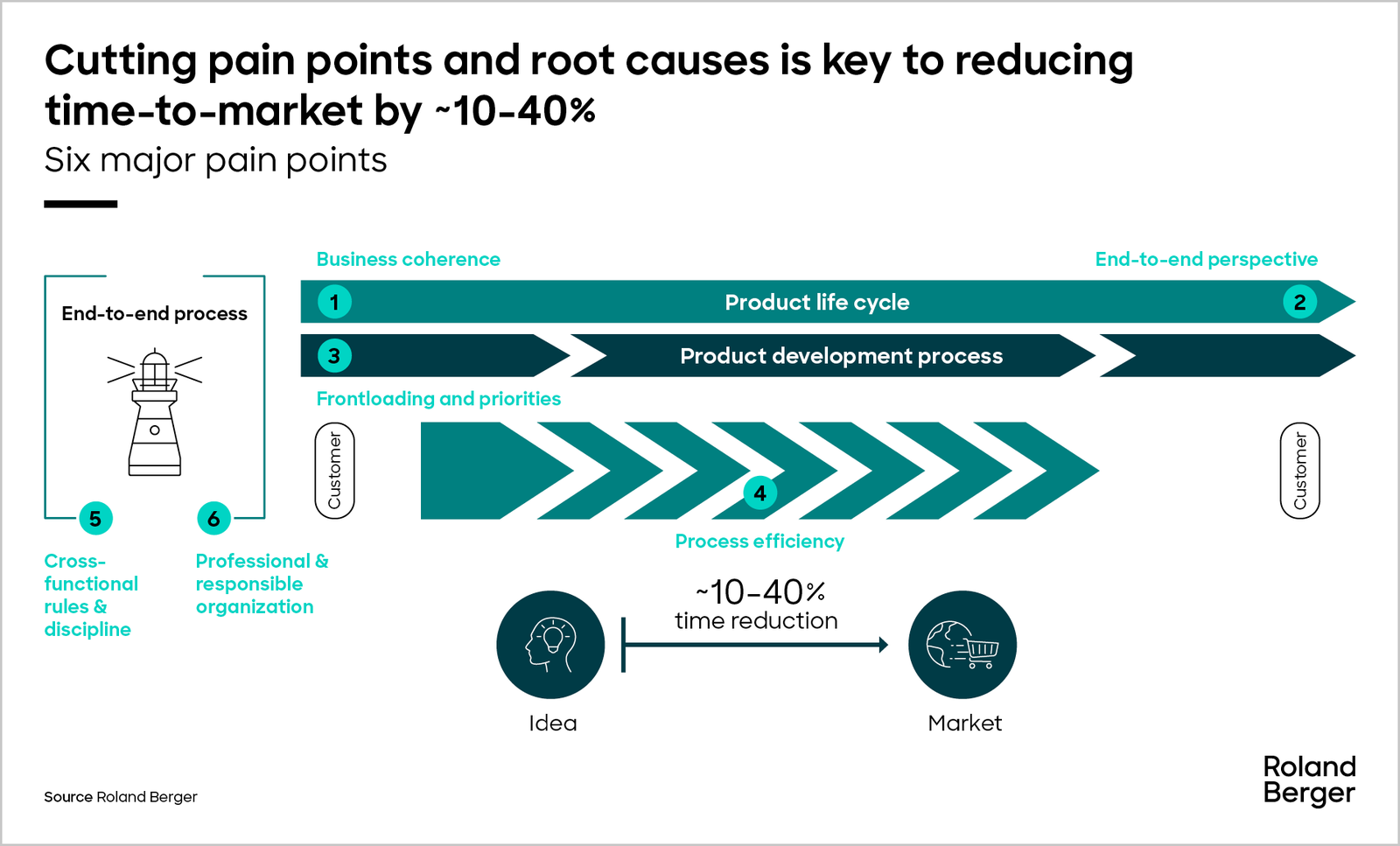
Digital development environments are fundamentally changing validation and industrialization. Virtual development and industrialization reduce the need for physical iterations and accelerate learning loops. Automated workflows increase transparency and reduce friction across the entire development process.
In the automotive industry, AI-supported simulation during the product design stage is becoming one of the key levers. Machine-learning-based optimization of component simulations allows companies to significantly reduce physical prototypes and long-duration endurance tests. As a result, validation cycles are shortened, development risks are identified earlier, and overall development timelines are compressed without compromising quality or safety.
More than processes: the cultural factor
Sustained high implementation speed ultimately depends on culture. Clear responsibilities, fast decision-making, and a strong learning mindset increase
organizational resilience.
While many companies initiate improvements through targeted projects or initiatives, culture determines whether these changes endure.
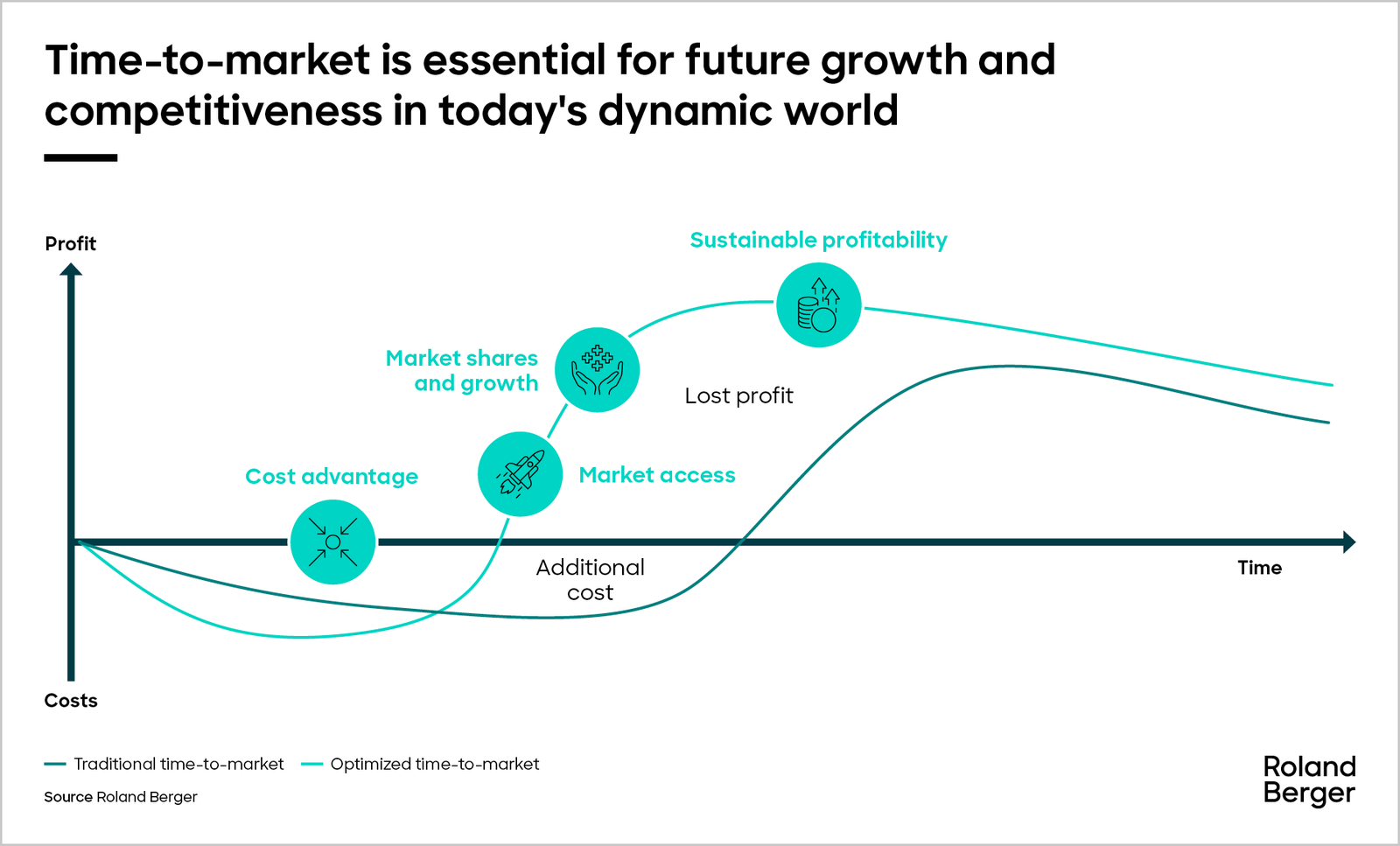
Interdisciplinary collaboration, harmonized target systems and clear decision rules form the foundation. At the same time, teams need sufficient autonomy to act and take responsibility. When time-to-market is anchored as an objective equal to cost, quality, and delivery reliability, speed evolves from a short-term efficiency program into a sustainable competitive advantage.