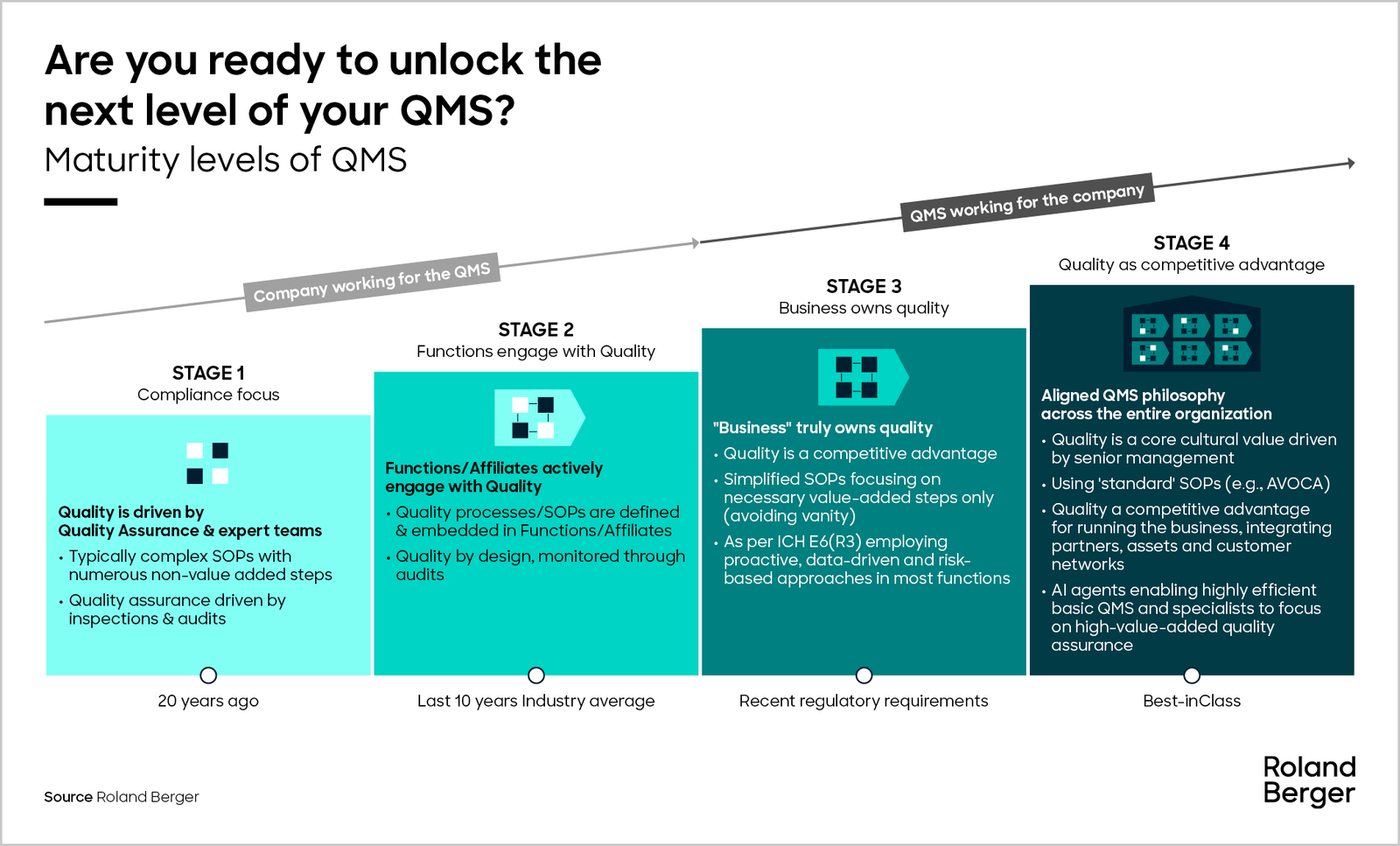
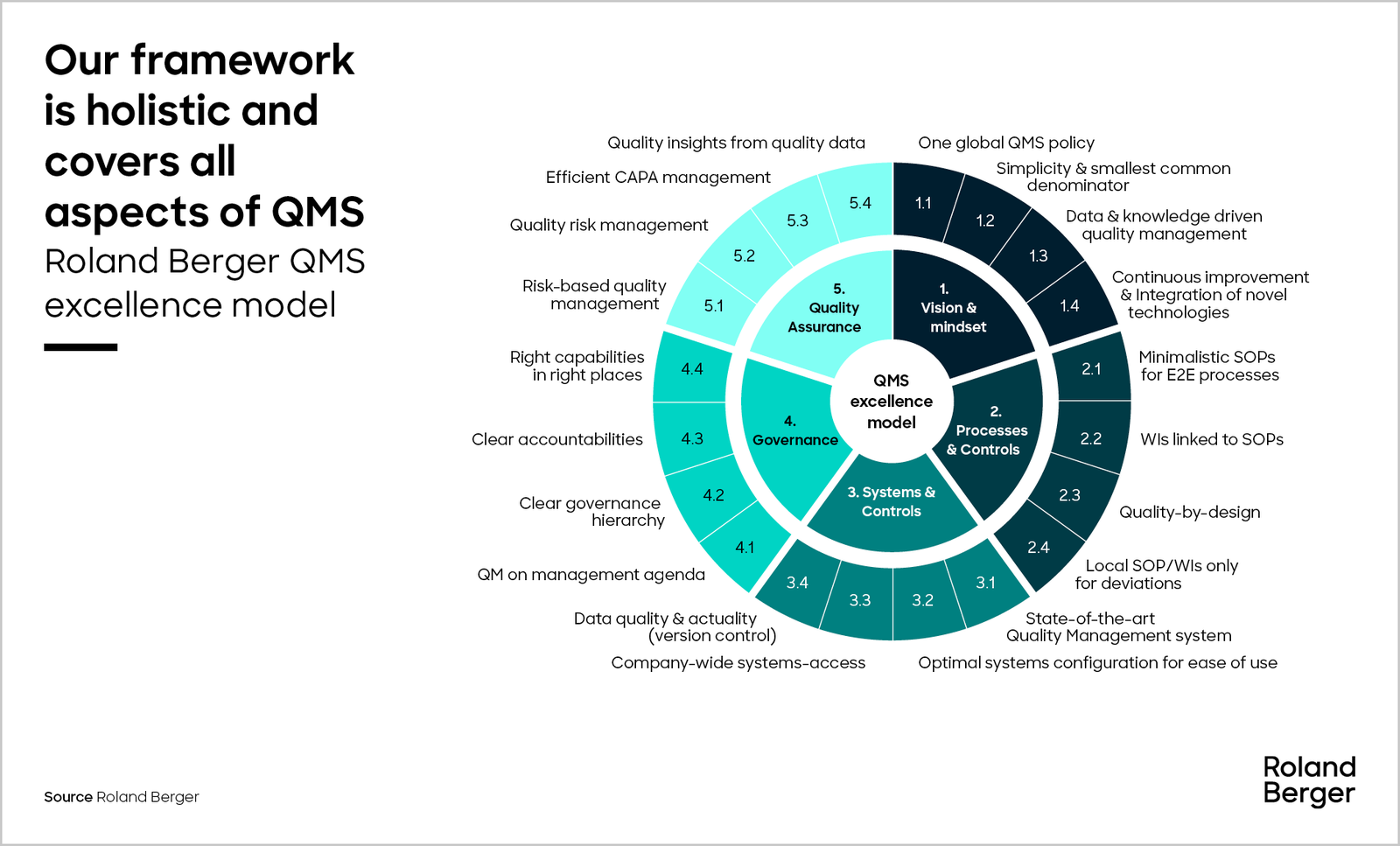
As new regulations such as ICH E6(R3) push quality management systems toward a more proactive, data-driven, and risk-based approach, companies must innovate to stay compliant while optimizing efficiency and outcomes. Modern technologies are key to this transformation, enabling faster, leaner processes and stronger results across the board.
For example, Johnson & Johnson leverages predictive maintenance to anticipate equipment issues before they occur, minimizing downtime and disruptions. Pfizer utilizes real-time quality monitoring powered by deep learning and IoT sensors, providing instant insights that drive immediate improvements.
Data integrity and compliance also reach new heights with
AI
algorithms designed for anomaly detection—tools like Freyr and localized cloud infrastructures, as seen in the Schwarz Group, ensure your data is accurate, trustworthy, and audit-ready. In clinical development, AI-powered solutions such as Risklick refine trial protocols, accelerating timelines and enhancing patient safety.
Security keeps pace through continuous attack surface monitoring and AI-driven penetration testing— safety specialists like zero.bs help safeguard sensitive data, ensuring robust protection in an evolving cyber landscape.
From compliance to agility: how digital tools transform QMS
Together, these advancements enable a quality management system that is not only compliant with stringent regulations but also agile, predictive, and strategically aligned to drive lasting competitive advantage.