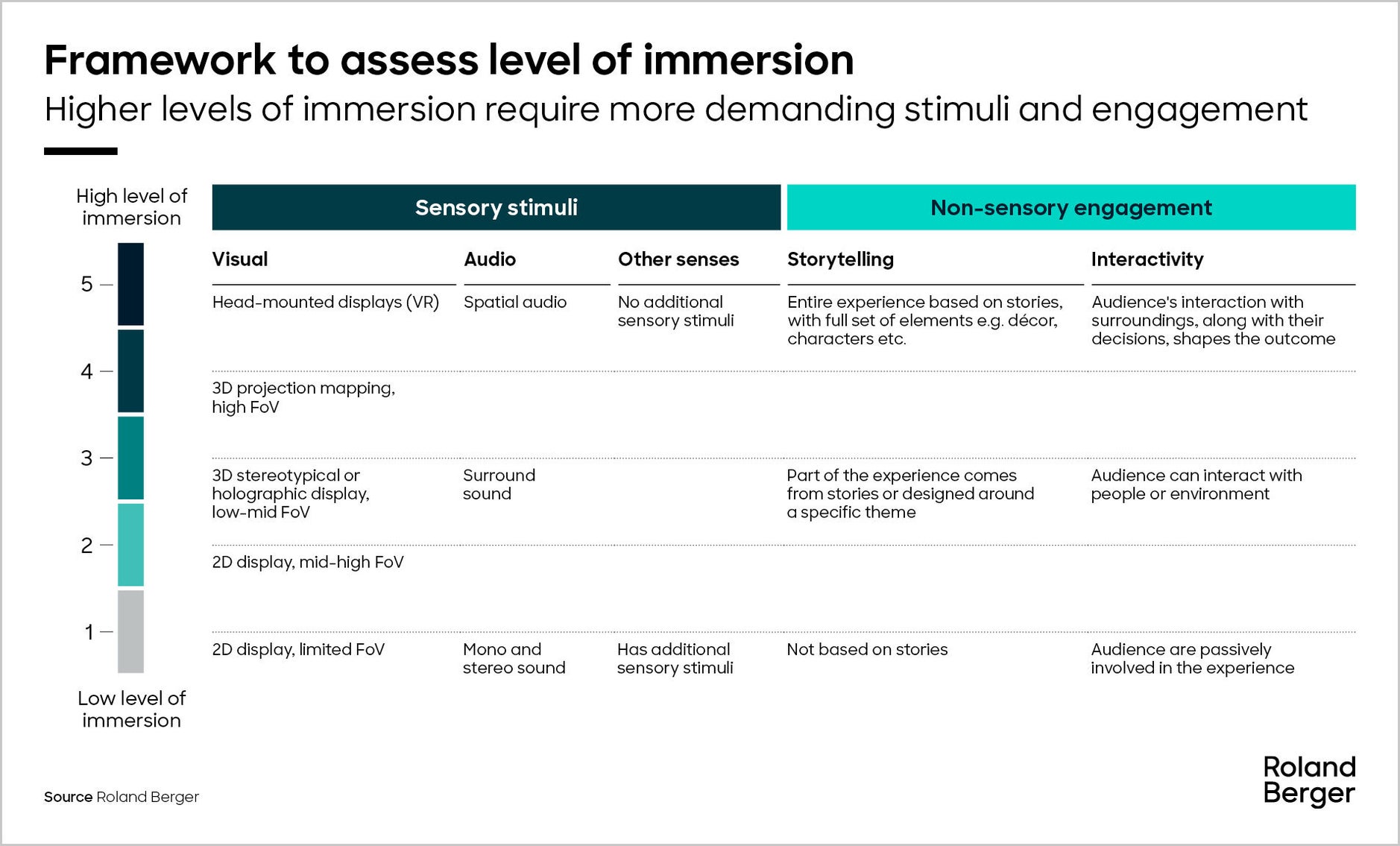
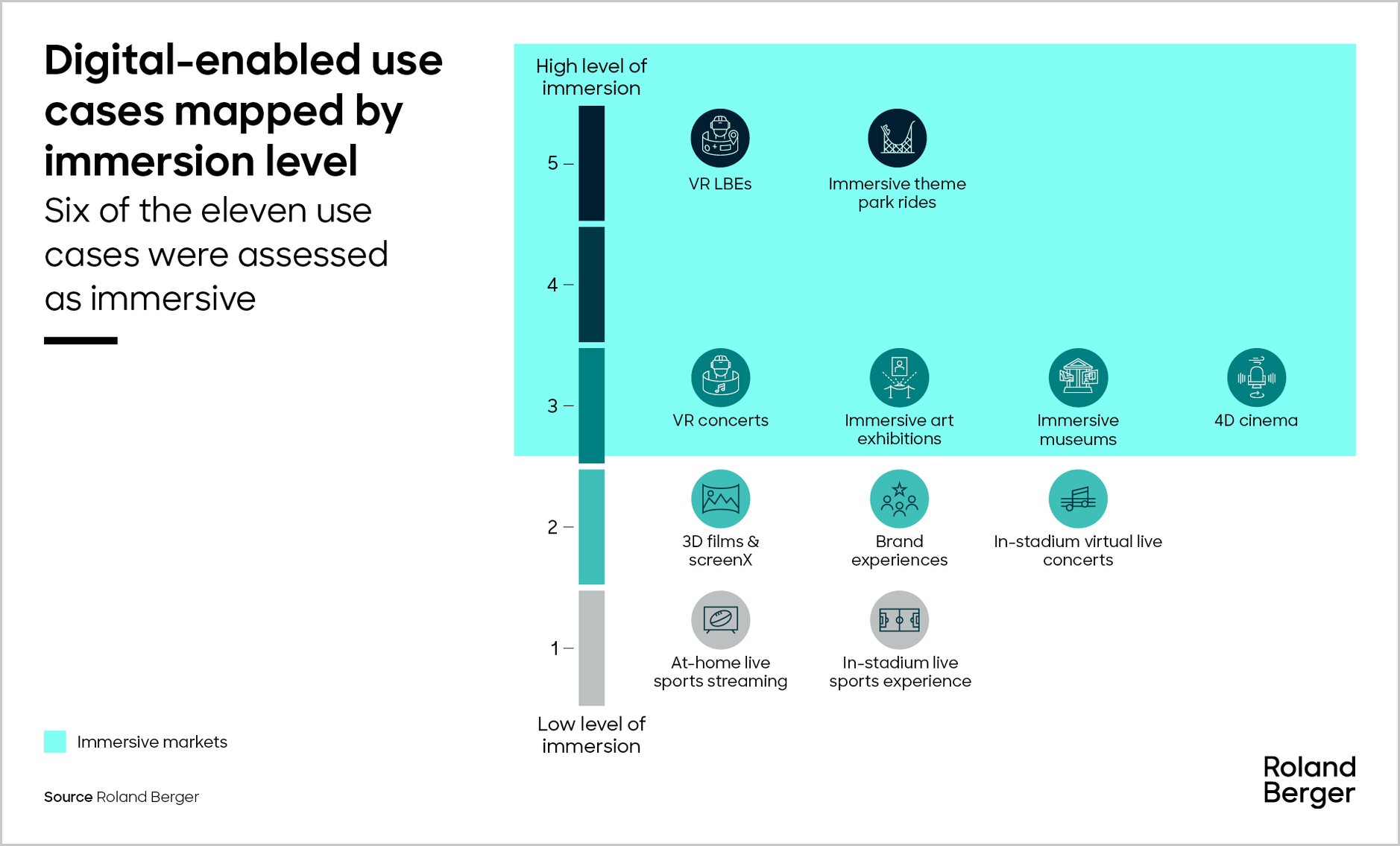
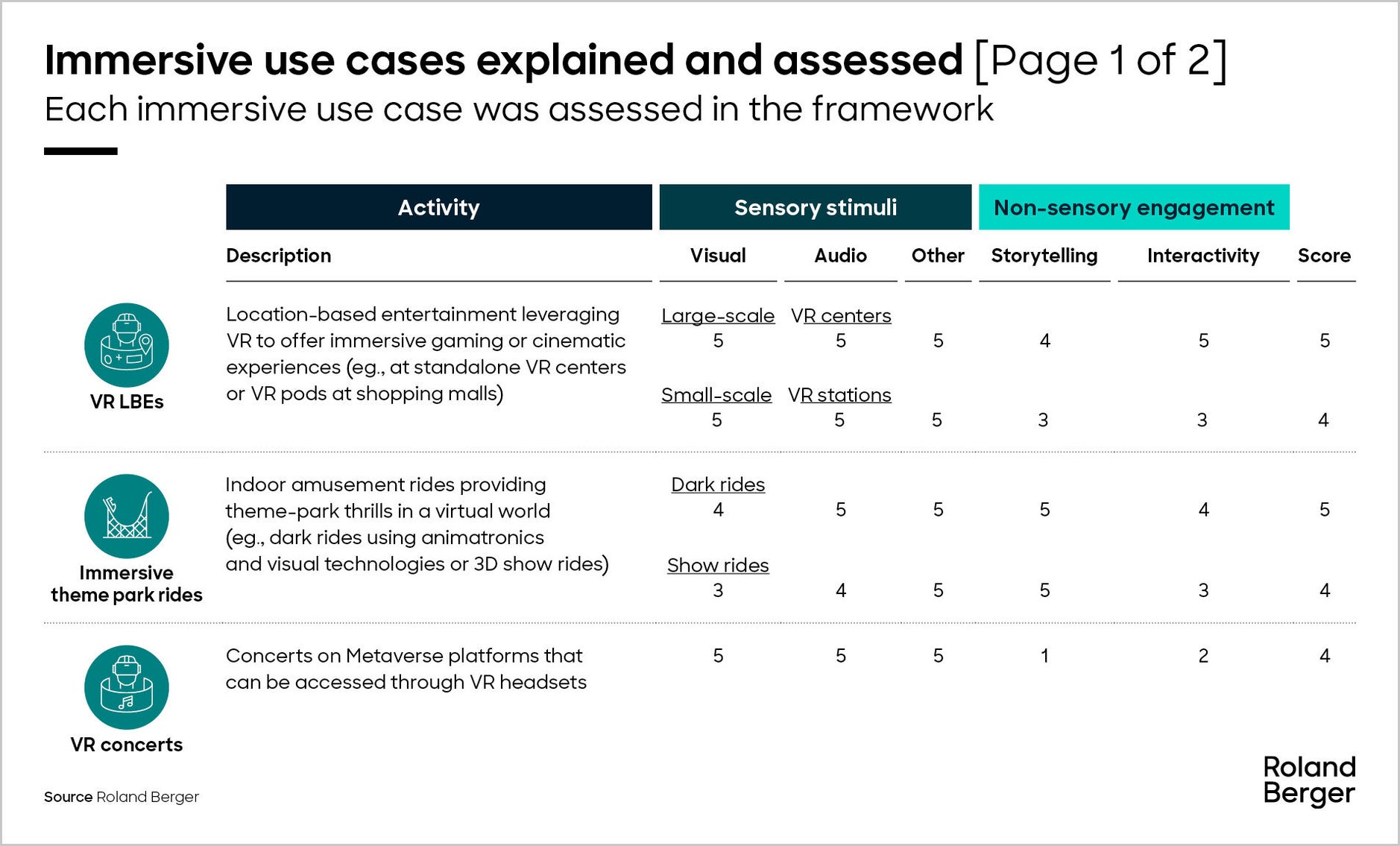
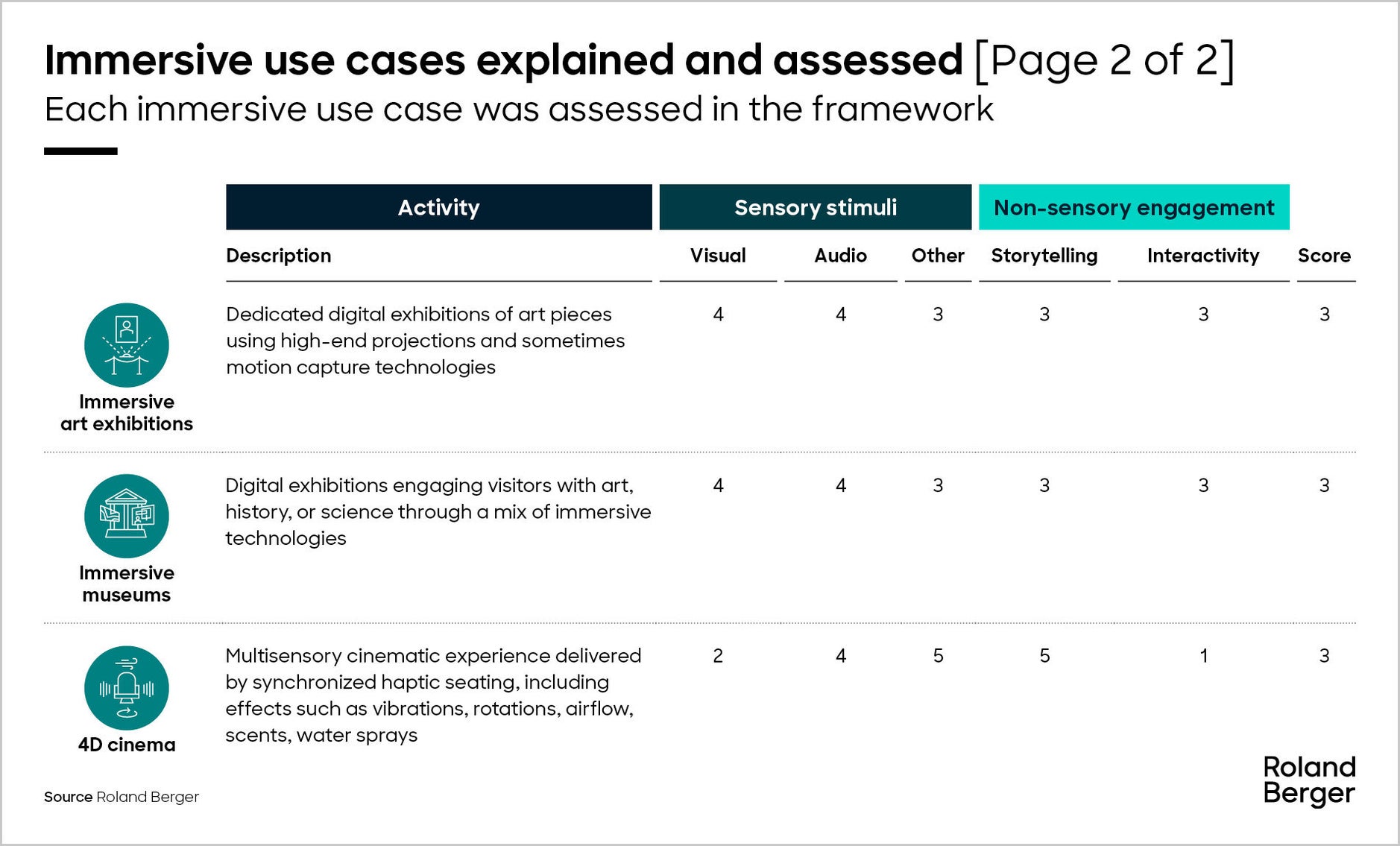
So, which markets can benefit from the fast-growing potential of immersive entertainment, and which areas should investors focus on? Based on our experience, these areas include:
Digital
Content Creation and Animation: Immersive art experiences rely on digital content, including 3D animation, motion graphics and interactive visuals. As the demand for more complex and engaging installations grows, it will open further revenue opportunities for high-end VFX and animation studios – a trend we are already observing in our clients.
Projection Technology and Display Systems: Advanced projection technology is the backbone of many immersive art exhibitions. Companies that develop and manufacture projectors, LED walls and other display systems will likely see significant growth as more venues invest in high-quality equipment. The need for cutting-edge projection mapping technology that can cover large surfaces and adapt to various environments will drive innovation and expansion.
Interactive Technology and Software Development: Interactivity is a key feature of many immersive art experiences. As this immersive market grows, so will the demand for software developers and technology companies that create interactive platforms, including touch-sensitive displays and motion tracking systems. These technologies enable visitors to engage with the art, making this area a critical growth driver of the immersive art market.