In general, how is Schiphol Airport working towards becoming more sustainable?
The basic philosophy is that everything that can be zero emission, should be zero emission. For example, we looked at replacing airside transfer buses with electric vehicles. The buses travel short distances at low speed, which actually leads to worse diesel emissions than normal use. We asked a Dutch supplier if we could switch to electric and were told these were not available back then. Given how poor air quality is at airside, we decided to work with a Chinese battery company, who took the entrepreneurial approach of building a bus around one of their batteries.
We now have 35 electric buses at the airside space which have been running for 3 years now, and the Chinese company is now delivering electric buses to airports around the world. In fact, Dutch companies now deliver e-buses, so we really changed something! On top of that, since March 2018 100 buses to and from our airport are electric. Together they comprise the largest zero-emissions bus fleet in Europe. We’ve reached this achievement by working closely together with the bus company and the Amsterdam Transport Region.
Another aspect is our energy use – we now have a partnership with a Dutch energy company, which we worked with to build additional wind farms, on land and at sea, to help with the airport's energy sufficiency. As a result, we now have 100% Dutch wind electricity powering Schiphol airport.
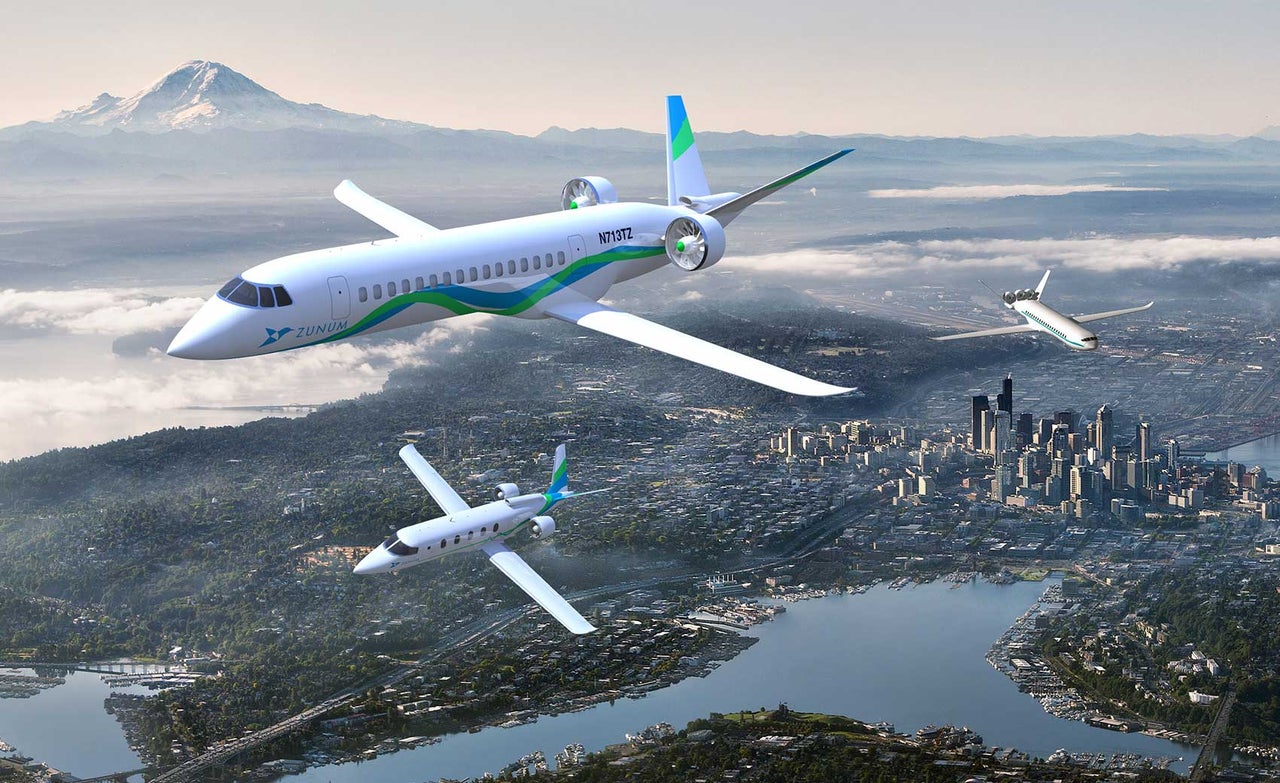
Of course, other users of airports (including airlines and ground handlers) must also play an important role in improving overall emissions, for example by making greater use of electrical equipment on aircraft and ultimately moving towards electrical propulsion. We have co-developed a mobile electric Ground Power Unit since we believe that remote handling should also be zero emission in the future. A significant intermediate step, which could have a big impact on emissions at airports, in particular, would be electric taxiing of aircraft, and I suspect that this will be realised within a couple of years.
Where do you see airports playing a role in the electric aviation trend?
There is a public debate on the impact of aviation, and our role as an airport has changed because of this debate. For example, I recently presented at a major aerospace manufacturer to explain why manufacturers, airlines and airports have to work together to solve their joint challenges. There are really interesting discussions in the aviation sector, and the game is being played at the points where different organizations interface with each other. Airports have now become more active in the discussion for how aviation can become more sustainable.
The
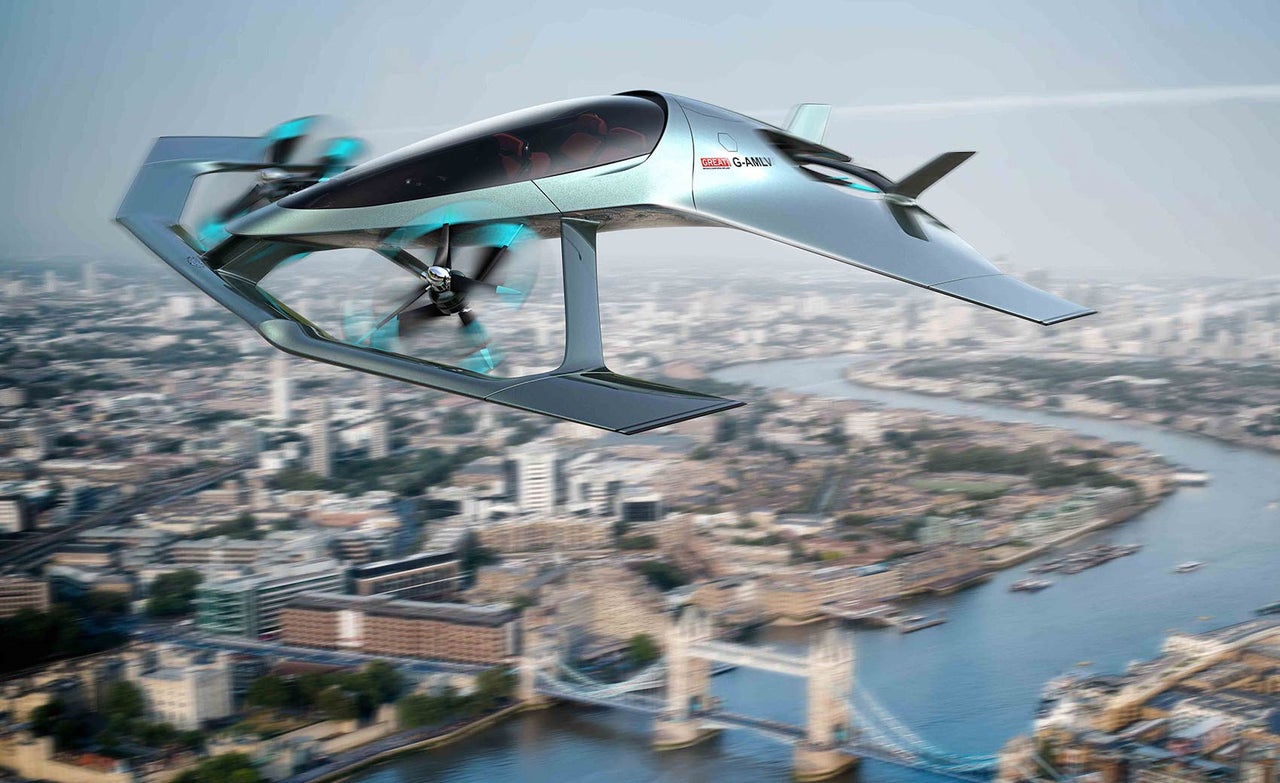
urban air taxi
trend may also be relevant for airports – I recently attended a panel where I heard that in America, 5% of airports serve 95% of all passengers. There could be a use case for flying passengers in smaller airplanes and cars to secondary airports. In congested cities, people could use an urban air taxi to travel to the airport.