Technology – barriers and chances
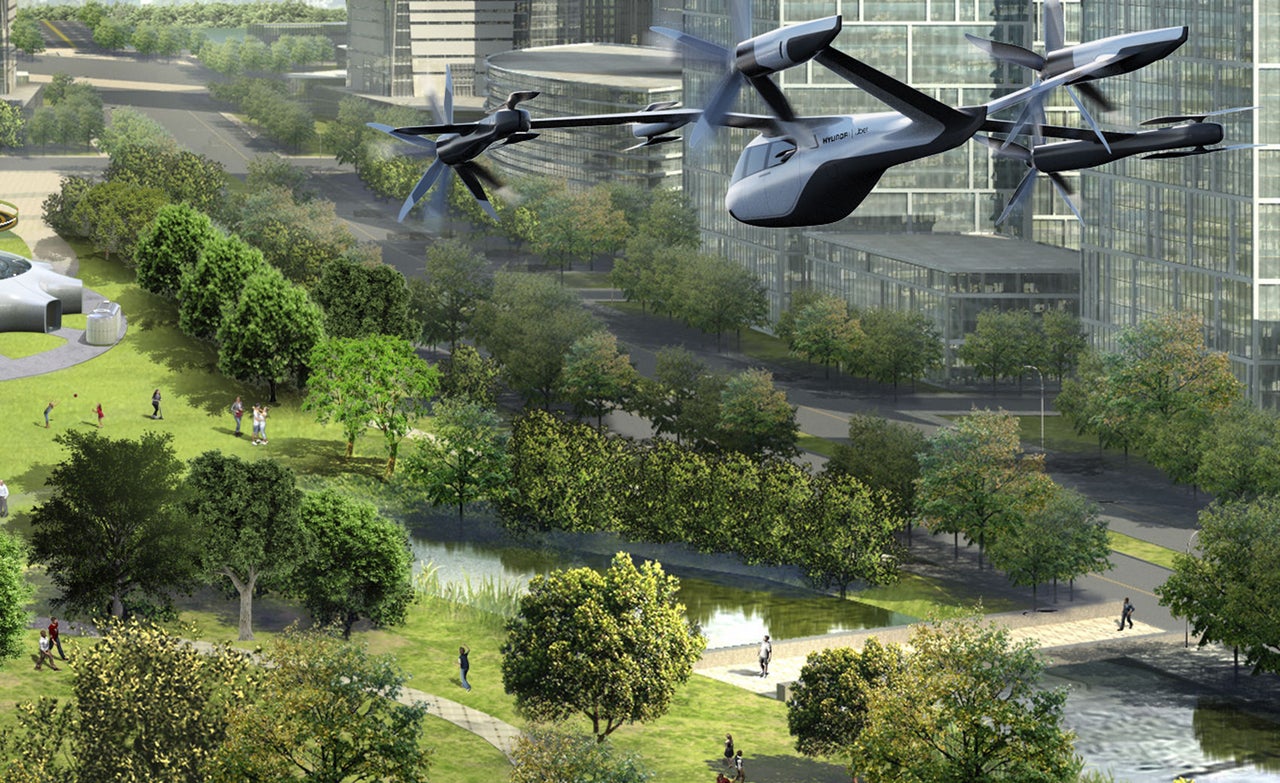
To make the electric dream a reality, the industry must close the technology gap to electrical propulsion, which is primarily defined by the power output required for flight. Output varies by platform type, which include general aviation aircraft, urban air taxis, regional aircraft and large commercial aircraft.
The technologies required for power output for general aviation are broadly available today, but what’s needed for electrical propulsion in large commercial aircraft and even regional aviation must still be developed. Challenges include battery technology, electric motors, generators (for hybrid-electric architectures), high voltage wiring and power electronics, among others.
Technology is progressing quickly on one front: The cost of a lithium-ion battery pack is expected to decline by 60 percent by 2030, in part due to capacity growth for batteries used by the automotive industry. However, with so much attention on the automotive industry,
the aerospace industry
will need to put pressure on developers to make lithium-ion batteries that are better suited for the higher gravimetric density needed in aerospace.
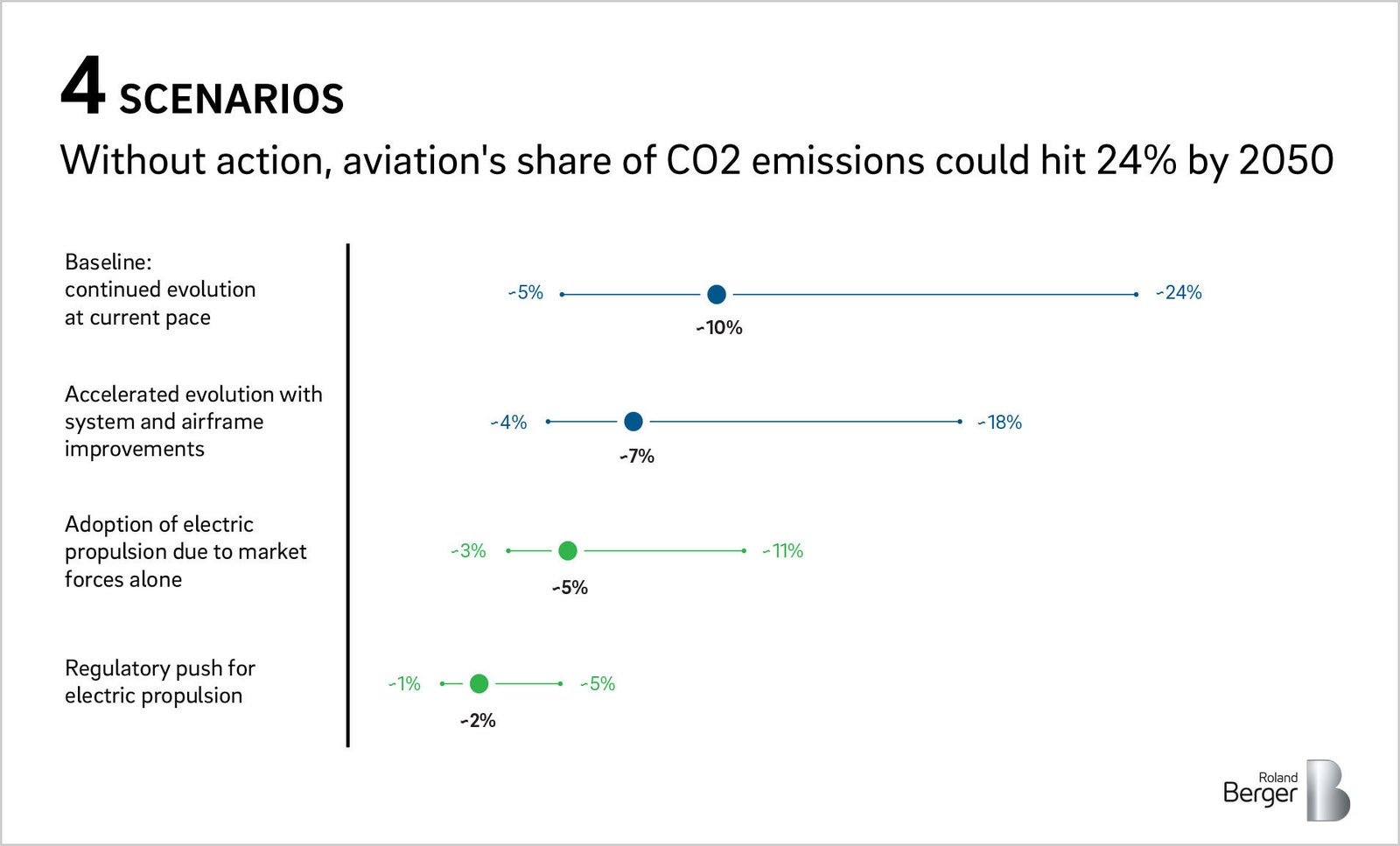
Left unchecked, aviation's share of greenhouse gas emissions could reach 24% by 2050
Aviation’s share of global greenhouse gas emissions is forecast to skyrocket by mid-century. So far, international aviation has been left out of UN agreements on climate change, such as the Kyoto Protocol and the COP21 Paris Agreement. The industry's UN-regulator, the International Civil Aviation Organization (ICAO), has only set up a carbon offset scheme (CORSIA) which has the potential to reduce net emissions, but only by transferring the emissions – and cost – outside of the industry.
Electrical propulsion offers an opportunity to constrain aviation's CO2 emissions to current levels of between two and three percent. To achieve this, not only would electric aircraft have to become the norm, but regulation would have to incentivise early retirement and replacement of today's fleet - a move that would have dramatic repercussions for the aircraft leasing industry.