What are early indicators of potential roadblocks which will make a partnership difficult?
The roadblocks are antitheses of selection criteria which are pretty similar to many general business partnership red flags. Anytime we realize a partner is not playing it openly or lacks management attention (e.g. communication is poor, the goals no longer align, or when the due diligence from their side is not thorough), we take a closer look. Each of these impacts the partnership in a way that could inhibit progress and success. We want to ensure that we can trust, align, and work productively together with our partners. So, if we see any of these signs as we are researching and getting to know our potential partner, it normally becomes a topic of discussion for evaluating the best option for Volocopter.
What benefits do you expect by forming partnerships with airport operators (e.g. Fraport) and airlines (e.g. JAL)?
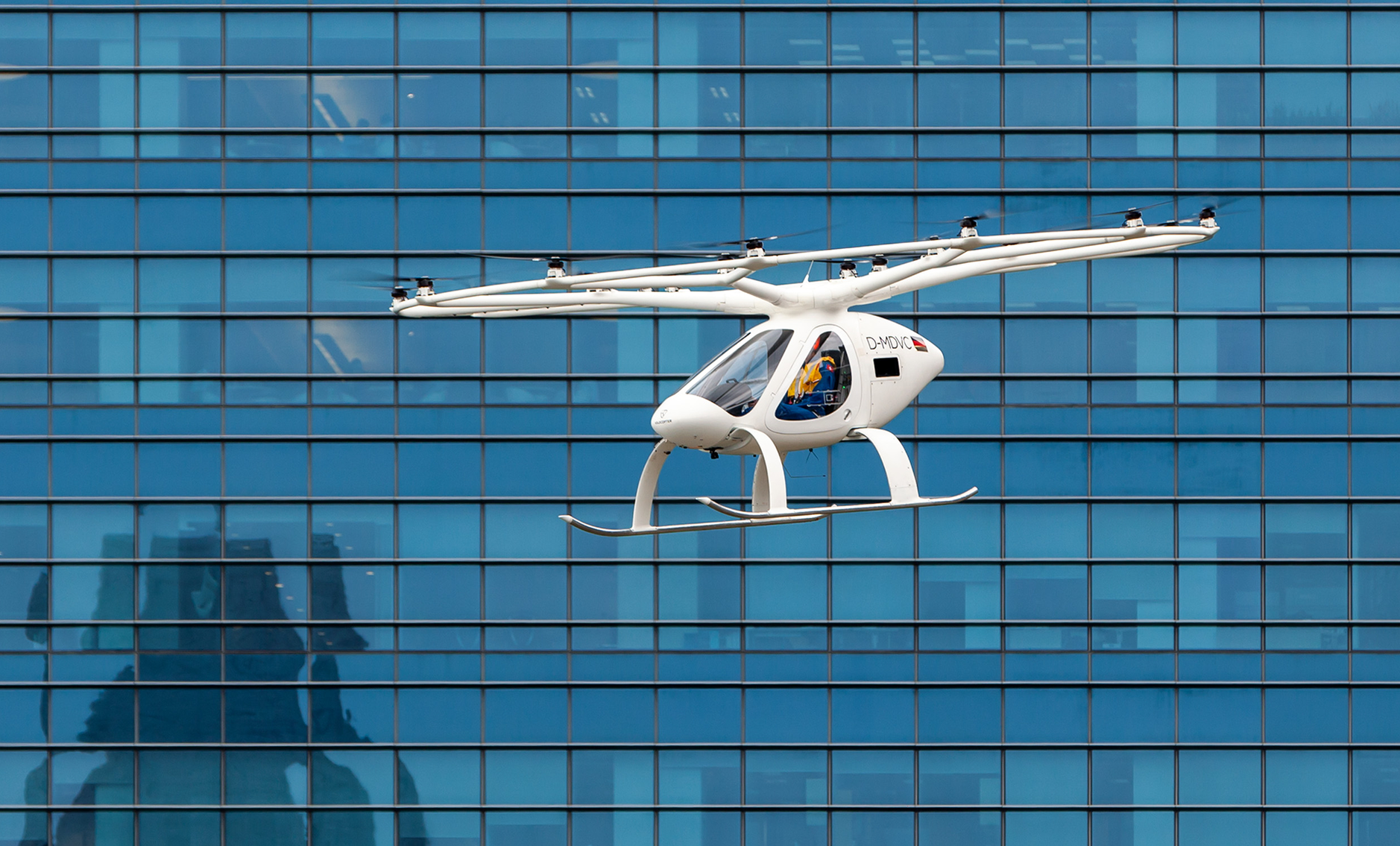
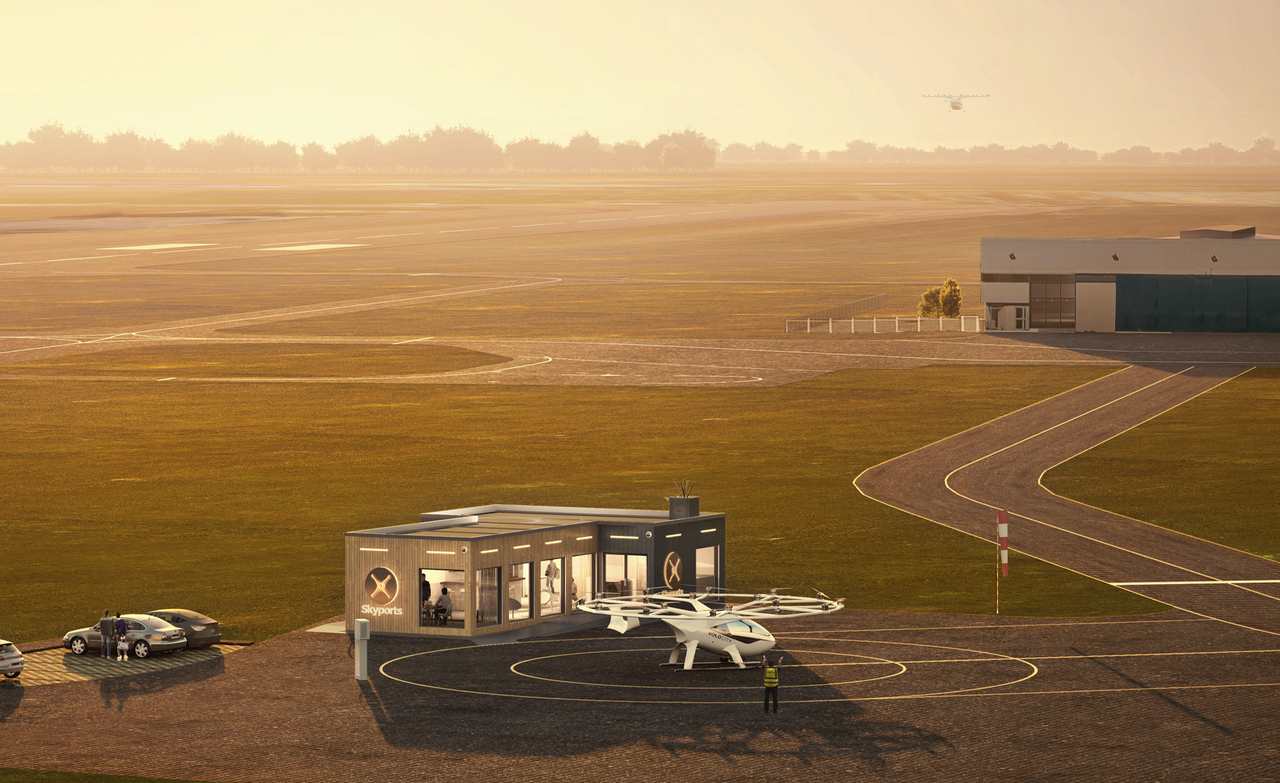
Oh, there are plenty of benefits that we expect and have already seen from partnership with airports and operators. The most discernable benefit of working with Fraport, Japan Airlines, and Aéroports de Paris is tapping into their wealth of experience, knowledge, and existing network infrastructure with regards to the existing aviation industry. They know what it takes to establish air traffic in cities, comply with regulation, build the entire customer journey, ground processes, process of gaining public acceptance, and can help seamlessly integrate Volocopters into customer journeys. Volocopter publicly displayed the product of this kind of partnership in Helsinki when we showed that Volocopters, like the VoloCity, can be integrated into both air traffic management (ATM) and universal traffic management systems (UTMs). Other examples include Japan Airline’s agreement with us to work on sustainable commercial operations of air taxis in Japan, Fraport’s focus on smooth passenger handling and efficient transport integration, or Paris’ collaboration to structure an Urban Air Mobility Industry branch.
The clear objective is to offer airline customers a marvelous and seamless travel experience all the way from their long-haul flight to their final destination inside the city. By connecting with airport operators now, we are already paving the way for mobility possibilities in cities around the world and showing that this is serious, possible, and coming sooner than most think.
Thank you very much for the interesting insights so far! Let's focus on the cargo market for our last question. You entered the cargo drone market nearly one year ago with the introduction of the VoloDrone. DB Schenker and John Deere are now one of your first partners in this segment – what are the differences between partnerships for passenger drones vs. cargo drones?
The biggest difference between the VoloDrone and VoloCity partnerships is that one focuses on product mobility while the other focuses on passenger mobility. While these may have similar factors (i.e., safety, routing, urban infrastructure, logistics, production), the independent variables are based on different groups (i.e., transporting people vs. transporting goods for businesses). Cargo and passenger services initially will require different certification because historically they are categorically different types of aircraft.
However, as piloted operations will give way to fully automated operations, these two fields will converge, also from a certification perspective. It does not make a difference whether the autonomous Volocopter carries people or goods over a city; both need to fulfill the most stringent safety requirements and will be certified according to them. Secondly,
cargo drones
are a B2B business while VoloCity air taxi services are a B2C and B2B business.
For the VoloCity air taxi, we are experts in the best use-cases and greatest possible value add as a service. With regards to the VoloDrone, we are experts in the aircraft, but not the specific applications. Hence, cargo drone partnerships have a strong focus on exploring and validating use cases and applications while VoloCity partnerships focus on creating and maintaining the UAM ecosystem that brings the customers value. This is also reflected in our varying commercial approaches for both.