Who does Air Race E partner with and to what end?
Although mostly not officially announced, we are in discussion with between 100 and 200 partners with various degrees of interest in the sport coming onboard. In the beginning stages, our partners have already helped out with building and development of the series. We are also trying to direct some of the partners who are manufacturers towards participating teams to prepare them for the race.
It is exciting to have our ambition validated by the partners. Taking our founding partner Airbus as an example, they want to nurture the technology that can come from sport competition and work its way to the real world and have implications on future products. They are providing a valuable helping hand: aiding in building the teams and setting the rules. Technology wise, they are a resource for lessons learnt and industry knowledge. Although they are not building an actual race airplane, they want to be part of the fabric of Air Race E, to build up relationships with different partners, teams and engineers, and to have mutual knowledge sharing.
Another example is a new arrival to the series: Ansys, the Official Simulation Software Partner. Ansys is working closely with the teams, using their industry-leading suites of simulation software to help the race teams optimize their powertrain designs, which can vary dramatically from team to team. Ansys’ products significantly help to decrease the prototyping time to guarantee race readiness in short order.
What are the immediate challenges Air Race E is facing?
The list can go on forever, but the challenges are all manageable. The most significant ones today are commercial challenges. Essentially, we are trying to commercialise a novel business. We need to be able to demonstrate our credibility without an existing track record in electric. This means a large amount of pitching and convincing must be done. Fortunately, as we have started getting traction and more partners have fallen in to place, things are becoming easier.
After that the development of aircraft is a critical part. We have 12 teams signed up now. We are going to get 16 teams by the beginning of the first full race series in 2022, which will be the steady state of teams who will be racing from next year onwards. The teams are making their own aircraft to our formula rules and they are making good progress. We are updated regularly to make sure our timelines align.
Technologically what does Air Race E introduce to aviation?
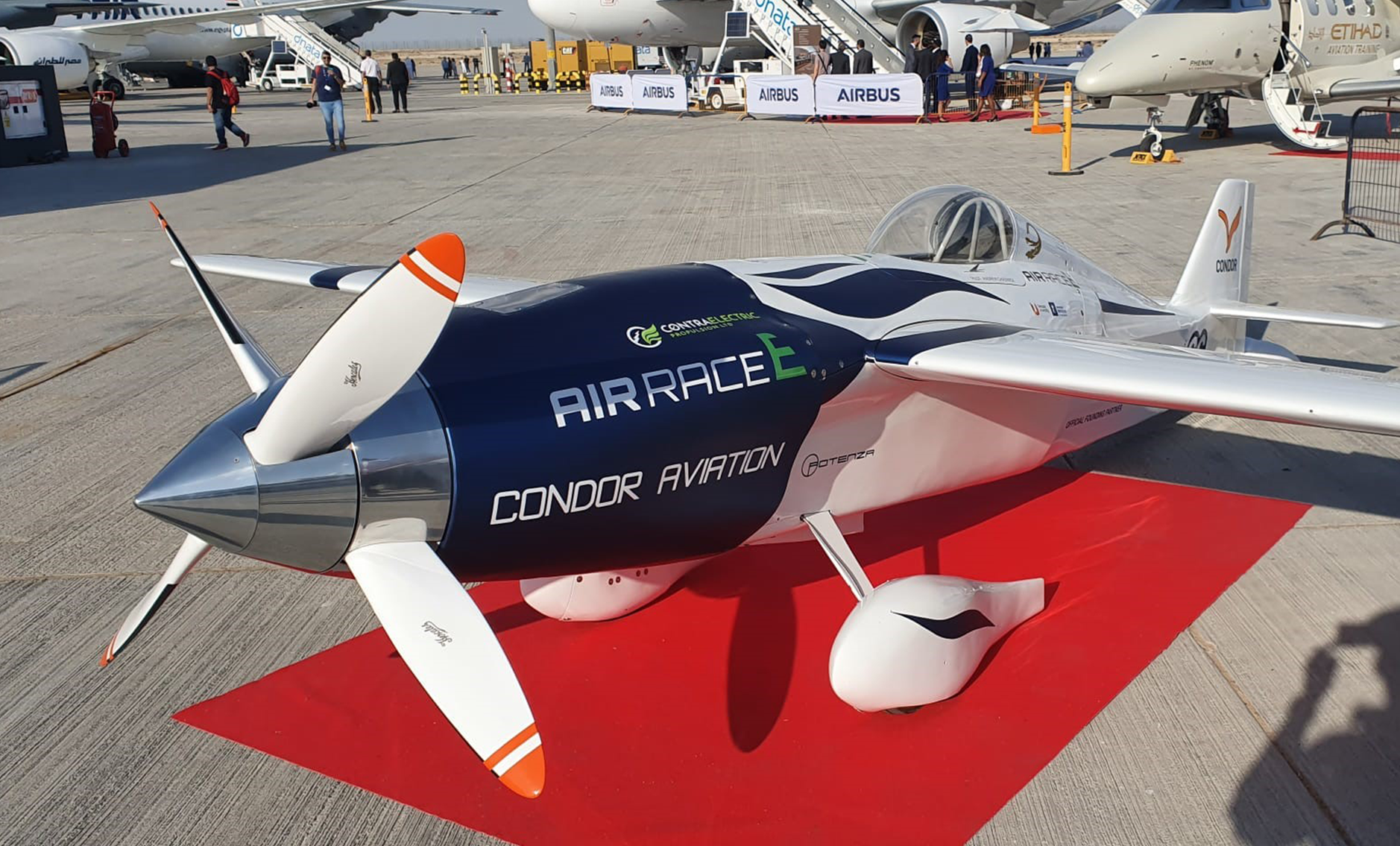
Air Race E is the evolution of Air Race 1. The major difference is the powertrain: we are going electric rather than traditional internal combustion engines. While Air Race E is still in its infancy, we are trying to keep the rules as close to Air Race 1 as possible. Realistically, however, going electric is not easy.
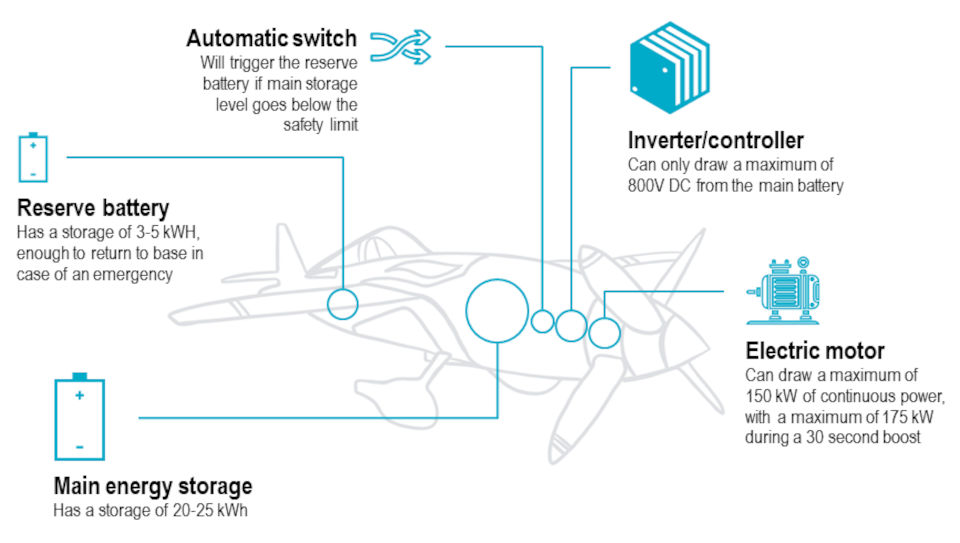
Air Race 1 fixed the powertrain and classified the engine down to a specific model. Air Race E, on the other hand, opens up opportunities on the R&D side and turns the airplane into a technology demonstration platform. Out of safety concerns, the rules will put power and voltage limits on the battery to be used. The rest of the powertrain architecture such as electric motors, power electronics and mechanical transmission is entirely free for teams to experiment with, to determine the most efficient configuration, products and manufacturer that will win the race.