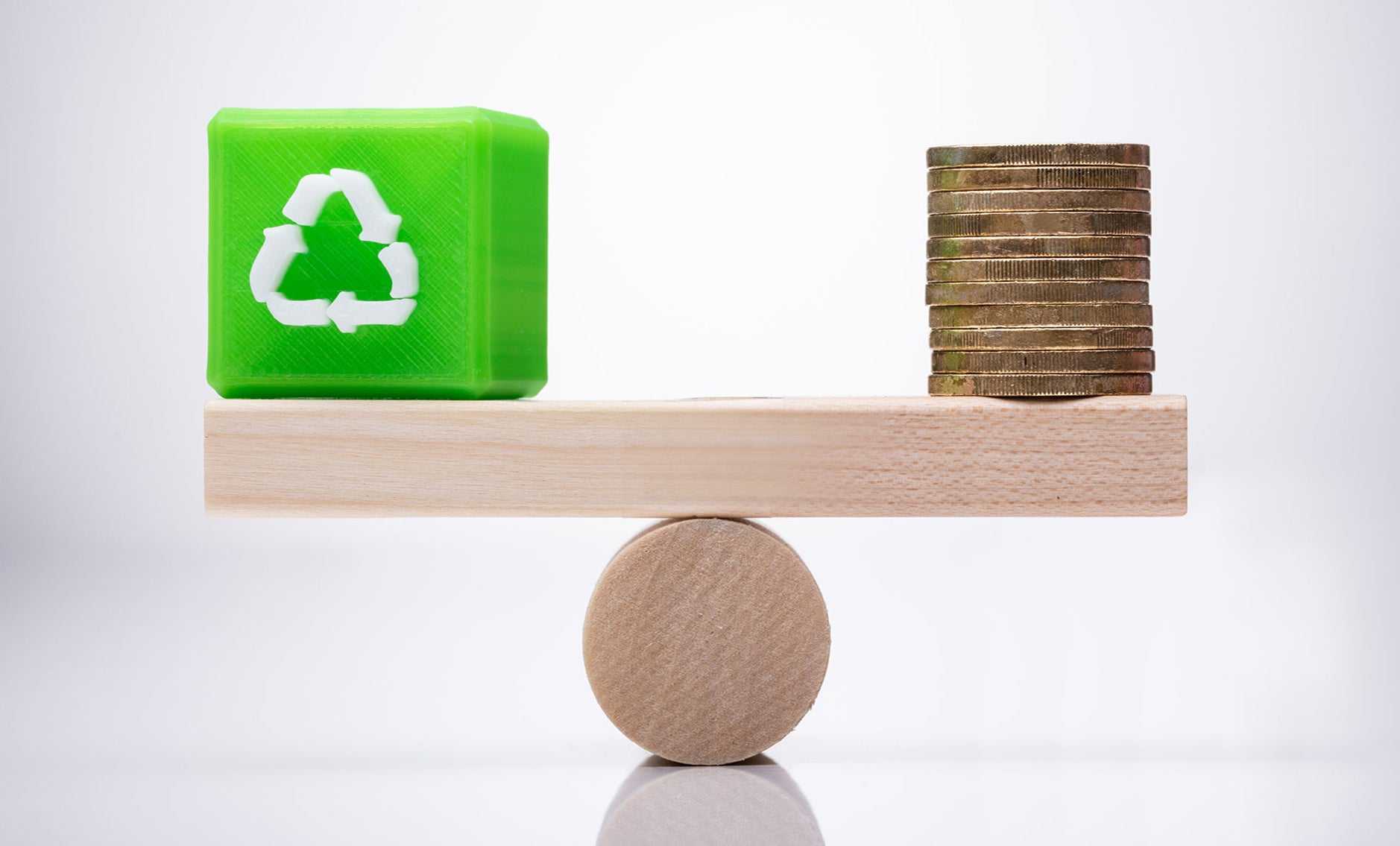
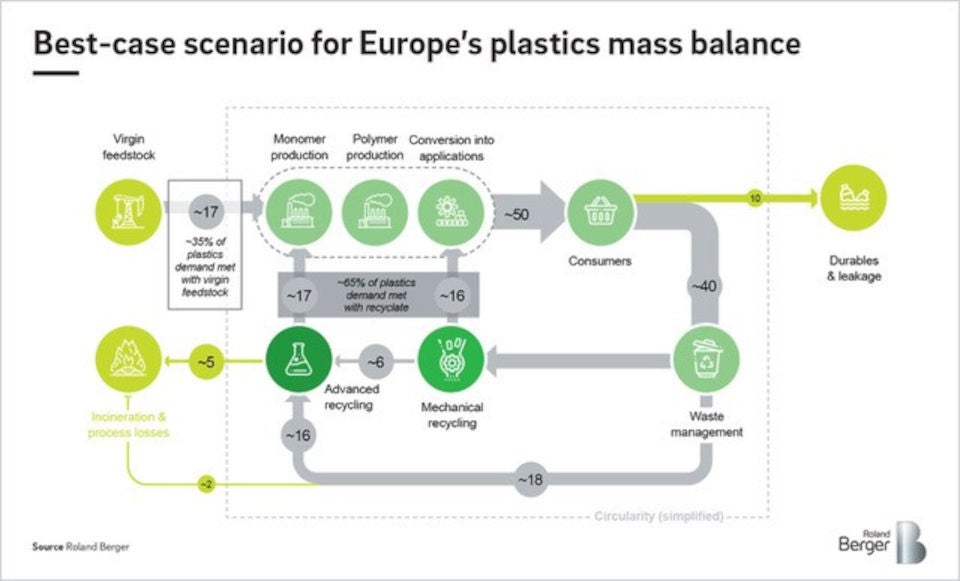
Plastic has become an integral part of our lives. Its combination of properties is hard to beat: cost-effective, scalable, durable, lightweight and hygienic. It is an important tool in the pursuit of sustainability, as it helps preserve food and reduce fuel consumption, for example. But with dozens of plastic building blocks incorporated into millions of applications, the variety of waste streams with their own specific collection and recycling requirements is considerable. This illustrates the massive imbalance in our system. Plastics are still predominantly fossil fuel based, of which only 10% find their way back as recycling materials for new applications. Is the industry ready to increase recyclates in plastics production?

Report
The Plastic Balancing Act: driving the transition and seizing its opportunities
Roland Berger's study 'The Plastic Balancing Act' assesses the readiness of advanced plastic recycling and associated pathways towards plastics circularity
Published July 2022. Available in