Saudi Arabia
Saudi Arabia's Vision 2030 aims to diversify its economy by fostering non-oil sectors, especially tourism. By 2030, the country seeks to welcome 150 million visits annually, generating 1.6 million jobs. Key initiatives include visa reforms,
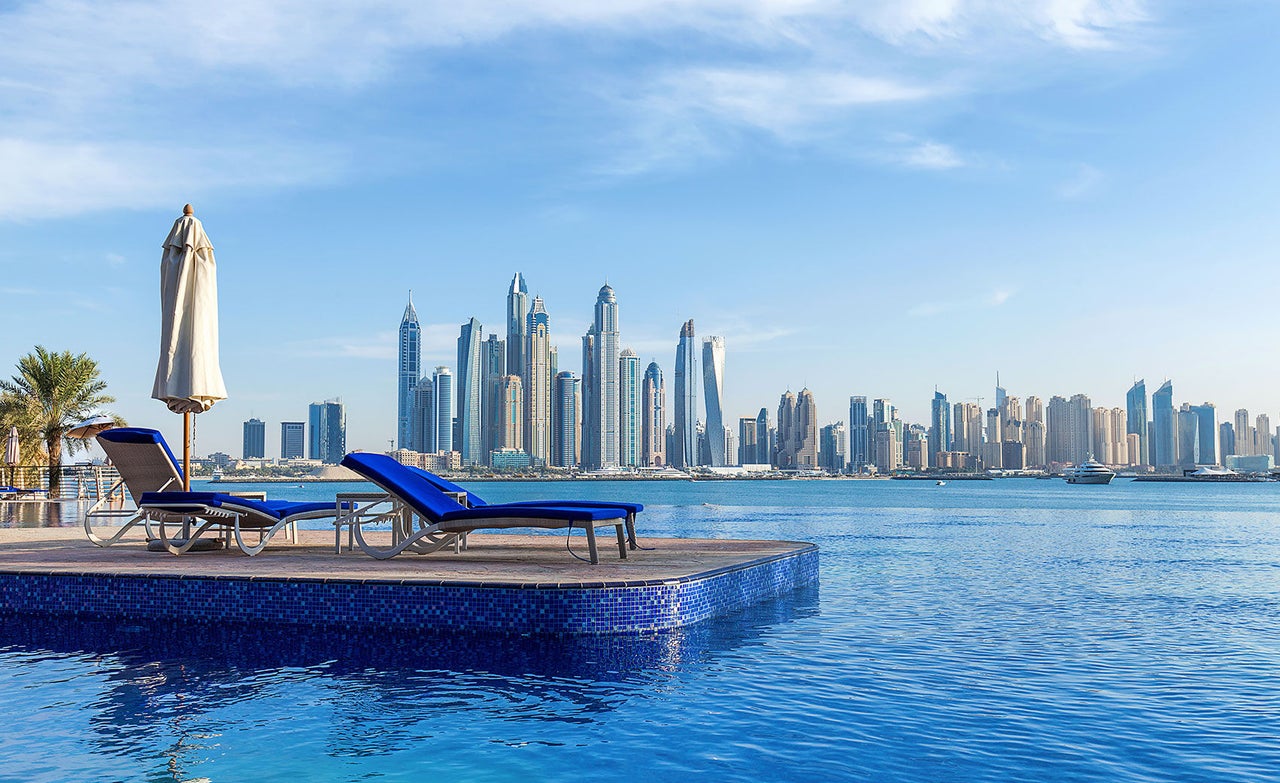
luxury infrastructure development,
and promoting cultural and religious tourism.
United Arab Emirates
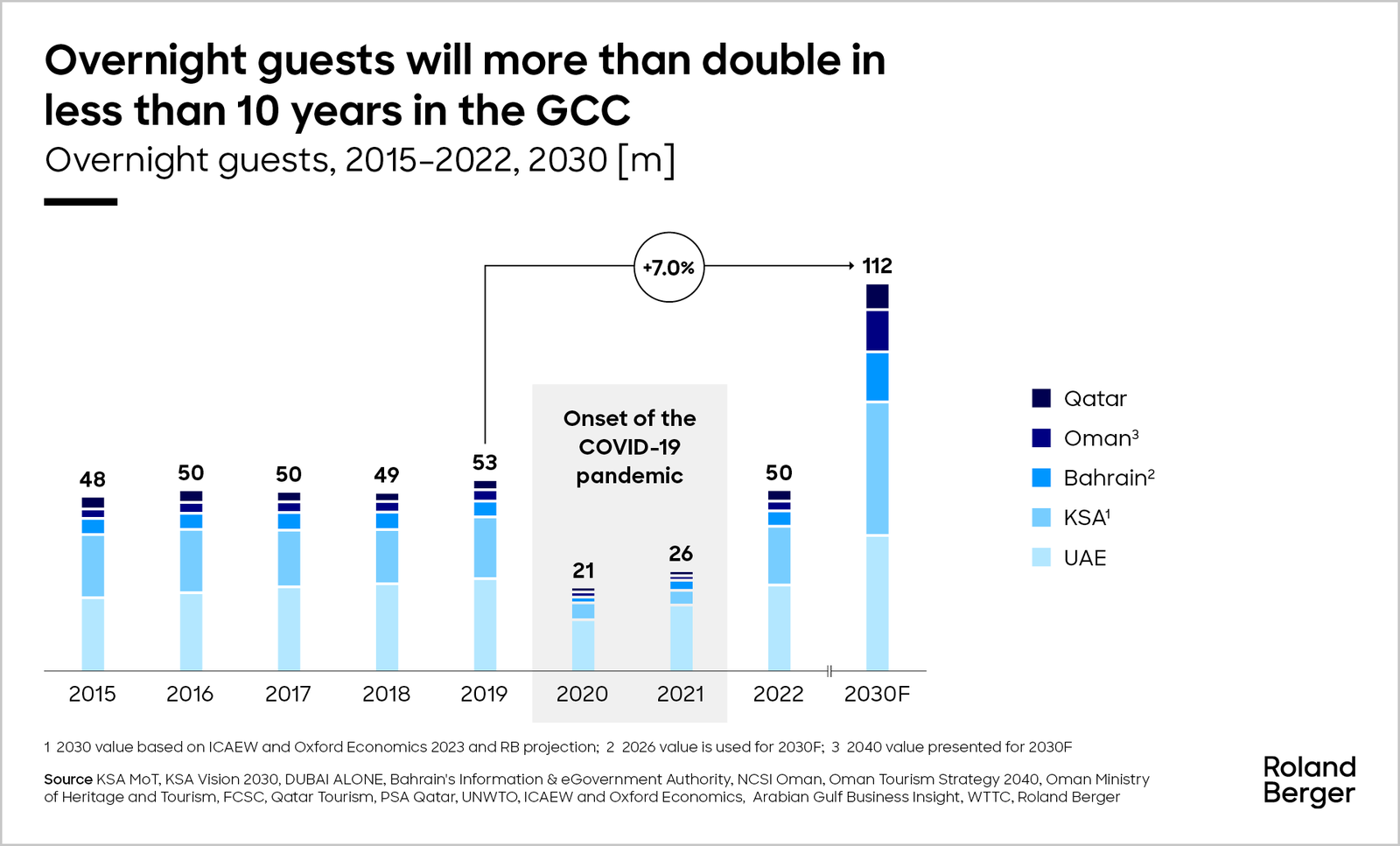
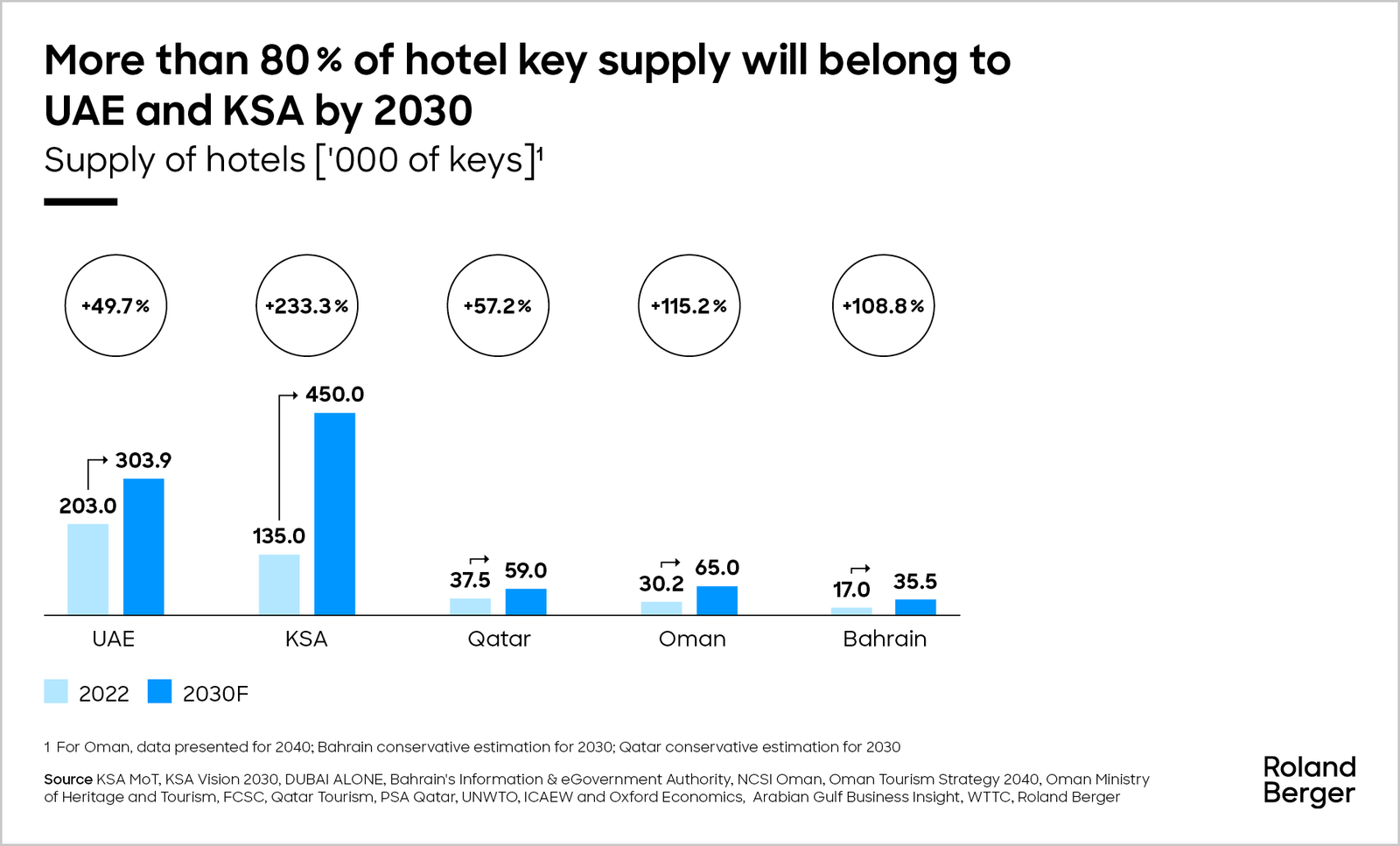
The UAE's Tourism Strategy 2031 focuses on enhancing the nation's appeal and sustainability. The strategy promotes a unified tourism identity, diversifies tourism products, builds tourism capabilities, and increases investments. The UAE expects to host 40 million overnight visitors by 2030, with a hotel supply increase to 304,000 keys. The country's tourism offerings include luxury hotels, cultural sites like the Louvre Abu Dhabi, and adventure tourism with desert safaris and theme parks.
Qatar
Qatar aims to attract 7.1 million overnight guests by 2030, focusing on cultural attractions, sports, urban development, and family-oriented activities with plans to increase its hotel supply to 59,000 keys. Key attractions include urban centers like Msheireb Downtown Doha, cultural sites such as Katara Cultural Village, and sports tourism events like the FIFA World Cup.
Bahrain
Bahrain's Tourism Strategy 2022-2026, part of the Economic Recovery Plan, aims to increase tourism's GDP contribution and position Bahrain as a global tourist hub. The country plans to welcome 14.1 million visitors by 2026, with hotel supply projected to reach 35.5 thousand keys. Bahrain's tourism offerings include cultural sites like Bahrain Fort, leisure attractions such as Bahrain Bay beach, and the annual Formula 1 Grand Prix.