Economic & trade uncertainty: As mentioned above, uncertainty is already rife in the industry and could be exacerbated by a potential trade war. Countries with a trade deficit with the US will likely face targeted tariffs, for example. As a result, companies are delaying footprint decisions on, for example, manufacturing and supply-chain location strategies. "Local-for-local" manufacturing strategies are still expected but are being pushed back. For example, the shift away from China-centric supply chains, a shift that is partially on hold due to an unwillingness to invest in production assets because of the high degree of general uncertainty.
Operational & cost strategies: In operations, the push towards automation continues as a priority to address labor shortages. This is widely considered a “no-regrets” move. In addition, supply-chain costs have been under attack in 2024, eating into near-term savings potential. This has left hard restructuring or product cost as the key remaining savings levers. Product portfolio management and simplification will therefore likely be important cost-saving measures to introduce in 2025 for payoff by the end of the decade. Meanwhile, cost-cutting efforts are also shifting to product design. As most major cost initiatives were completed in 2024, there will be a focus on value analysis and value engineering (VAVE), engineering cost reductions and complexity reduction.
Pricing & market dynamics: Major question marks remain over whether companies can maintain pricing and if tariff-driven cost increases can be passed on to customers. In addition, affordability concerns are growing, meaning someone in the value chain will likely be squeezed.
Strategic focus: As they search for new growth opportunities, companies will need to re-evaluate their core business areas and decide where to focus their efforts. Large conglomerates should also note the mounting evidence suggesting activist investors are pushing to break them up so that they have more focused portfolios.
Mid- to long-term (2026 and beyond)
Uncertainty will remain the dominating factor in the mid- to long-term future of the industry. In particular, tariffs, the potential for a recession in North America and high energy prices in Europe will be key issues.
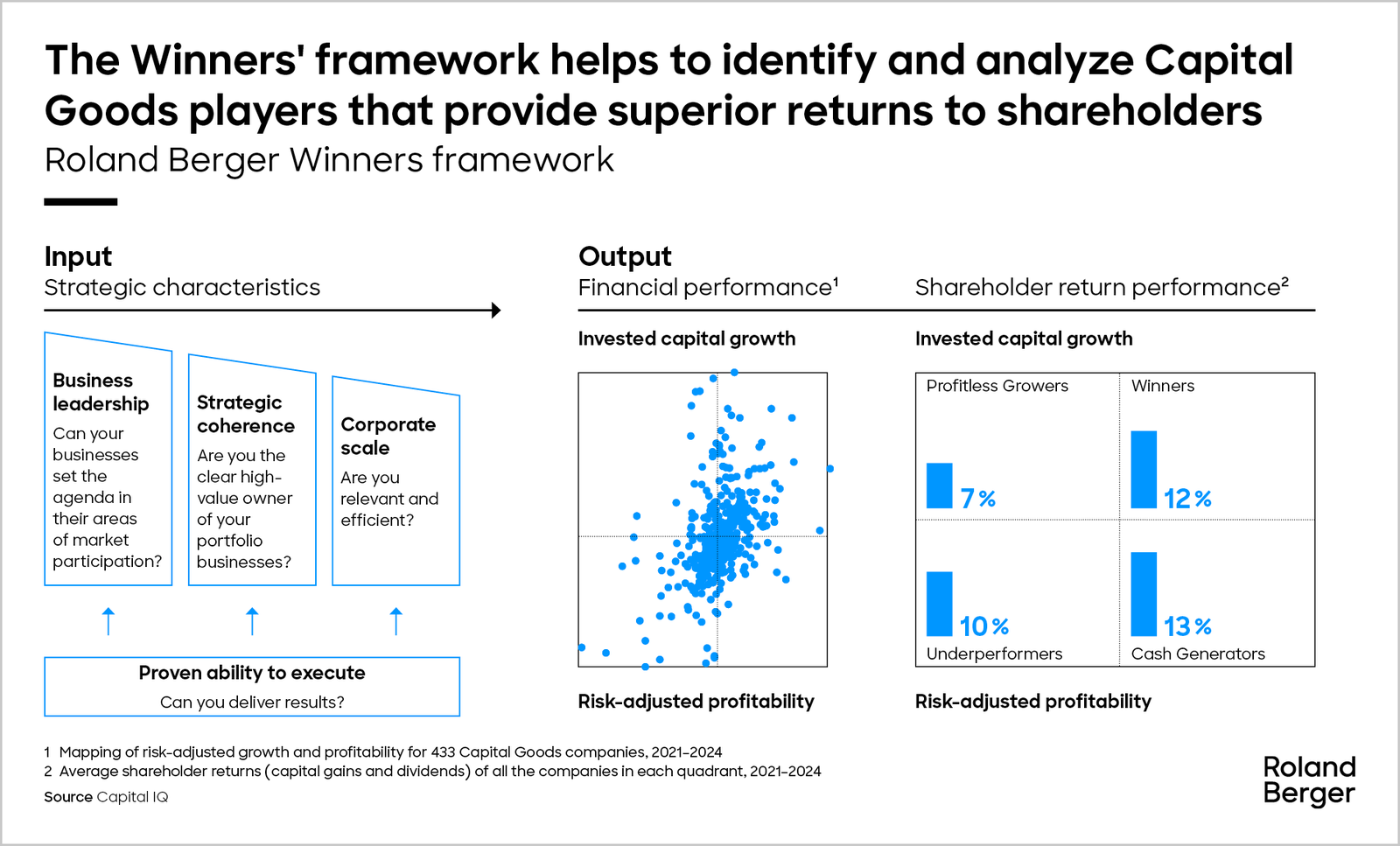
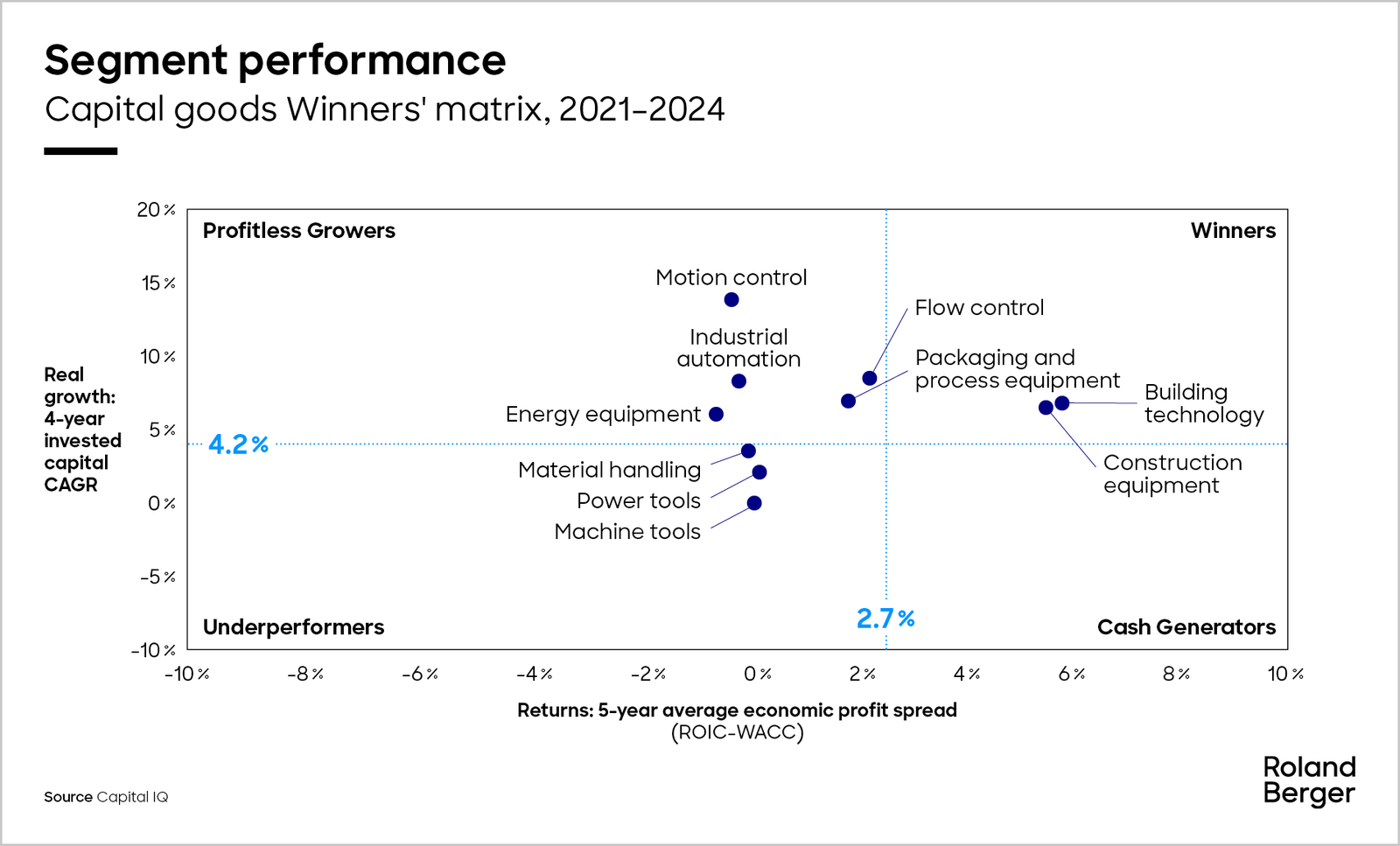
Emerging as a Winner will therefore require a competitive cost base and clear strategic focus on core businesses. This will ensure the flexibility to quickly react to changing economic circumstances, for example, adapting the supply chain to avoid tariffs and de-risk in light of rising geopolitical tensions. In addition, companies should continue investing in new technologies (AI, advanced robotics, next generation manufacturing, etc.) to leverage their advantages earlier and more efficiently than their competition, thereby creating additional separation. While Winners will have a head start, they will need to continue to evolve, drive their agenda and avoid getting bogged down in uncertainty avoidance efforts to stay ahead.