Our recommendations for HR leaders and benefits providers
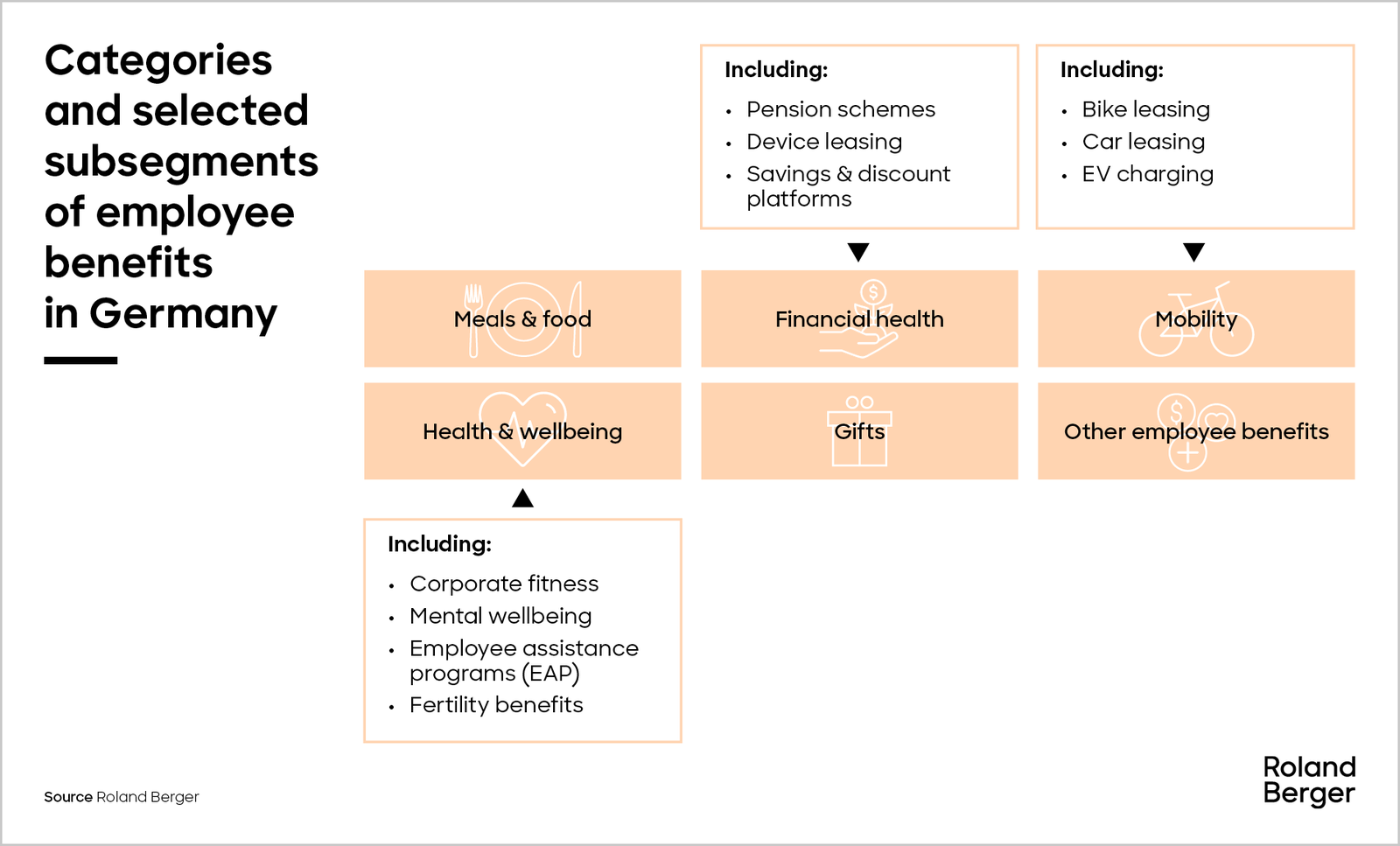
HR leaders are increasingly engaged in a war for talent – not just when it comes to recruiting staff but also for retaining them. It is more and more important that companies offer staff a stack of attractive benefits. However, the survey reveals that it is not purely the number of benefits that counts: Nine out of ten respondents say that offering five to ten "killer" benefits is more important than offering a broad spectrum of, say, 20 to 30 benefits that employees in any case do not make as much use of. In addition to the Big 5 benefits, we recommend choosing specific benefits that align with the firm's strategic goals and fit into their budgets while optimizing the value for their employees. For example, if the company wants to increase its number of female staff, it should offer benefits specifically targeting women. In addition, we recommend HR leaders to keep a close eye on overall costs and administrative efforts and make full use of any tax subsidies that are available, in order to show accountability and contribute to their company’s economic viability.
Benefit providers face a different set of challenges. We recommend that they move towards a multi-benefits approach, at the same time sharpening their go-to-market along three key dimensions: market segmentation, value proposition and sales channels. They need to find radical ways to cut the administrative burden on HR leaders, creating a smooth experience for them and employing
digital solutions
wherever possible. They should also consider demonstrating to clients how different benefits impact the workforce – something that almost three-quarters of HR leaders say they would like to understand better.
The survey was carried out in Q4/2024 by Roland Berger in collaboration with a consortium of employee benefits providers from different segments. The consortium consisted of, in alphabetical order, Deutsche Dienstrad (bike leasing), EGYM Wellpass (corporate fitness), MOOVE (prevention solutions), peaches (family-building and fertility benefits), Pluxee (meals and food, gifts) and the Bundesverband der PersonalManager*innen (BPM), a leading German HR professionals association. Each consortium partner circulated the 20-40 minute survey to its corporate clients or members.