
For statecraft, the 21st century presents an altogether murkier picture than centuries past. Eminent political thinkers Bruno Maçães and Shivshankar Menon weigh in on where to focus in the post-Covid world.
It used to be much easier to get a handle on international relations. The doyen of modern diplomatic history, German academic Leopold von Ranke famously held the view that the way a state deals with its peers near and far deeply affects or even determines its internal affairs by exerting pressures that trigger systemic changes. Hence the need to get ongoing, accurately sourced and timely information about what other heads of state are up to.
Geopolitics nowadays is no longer the parlor game of crowned or elected leaders alone: It is driven by grassroots movements and populism, nudged by global organizations created after World War II and tied to the uncertainty of a global economic system where speculative bubbles or supply chain problems in one part of the world wreak havoc halfway around the planet. Even more important, the perspectives keep shifting. The traditional Eurocentric view of a handful of powers in a zero-sum game has been supplanted with one that put the US at the center as the new hegemon and lone superpower. With the political and economic rise of China, however, experts and academics now speak of a world with two or more important players, a so-called bi- or multipolar landscape.
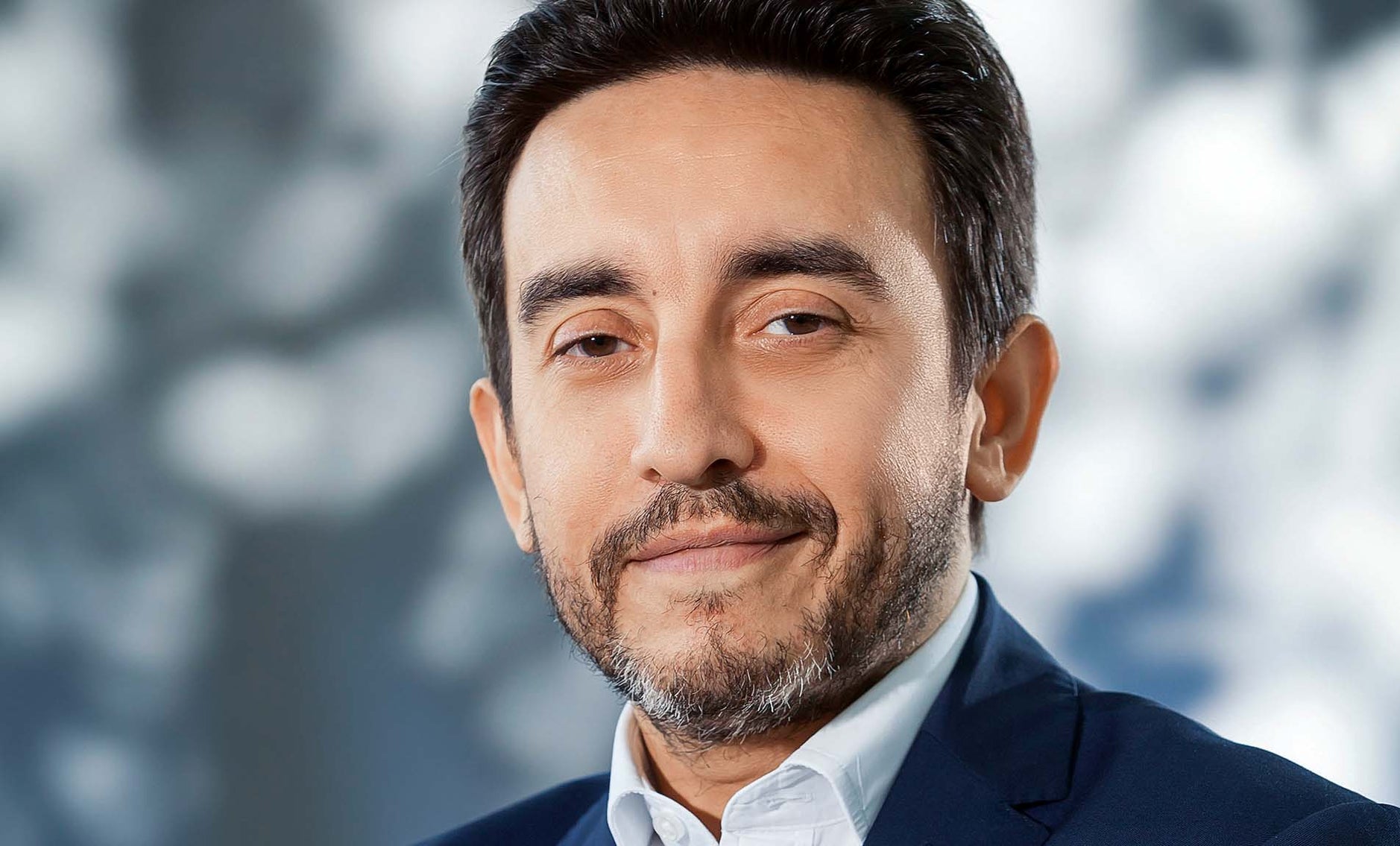
Bruno Maçães and Shivshankar Menon are two illustrious voices in this ongoing debate on how to best map – and walk – the shifting tectonic plates of statecraft when floods, zoonotic viruses and social media can swiftly unravel old notions of diplomacy. Political scientist and author Maçães knows the state of play firsthand since he served as Portugal's Secretary of State for European Affairs during the EU's deeply divisive debt crisis and keeps crisscrossing the world to gather voices and ideas for his guidebooks for the new terrain, among them The Dawn of Eurasia and most recently Geopolitics for the End Time.
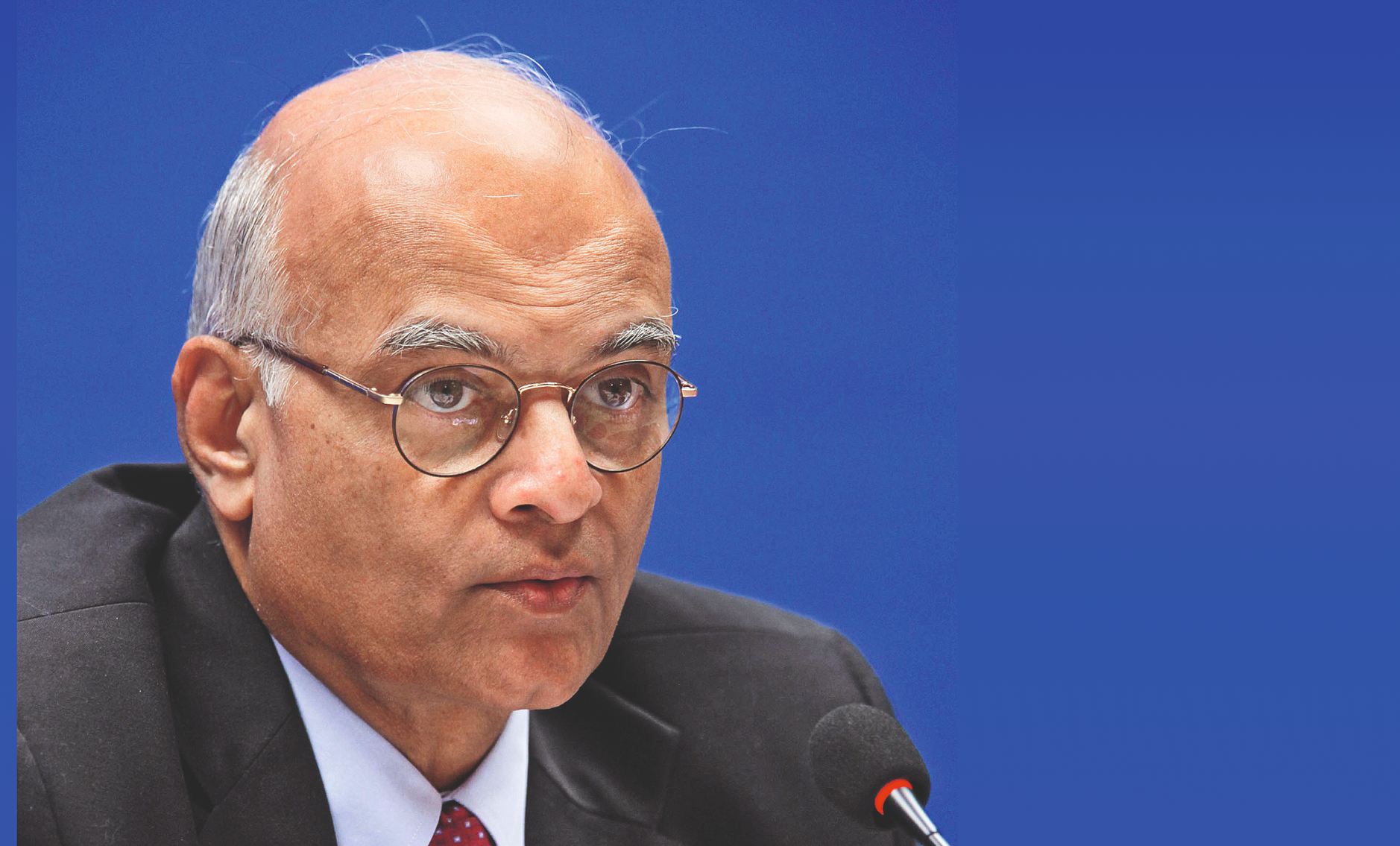
Menon is one of the most renowned diplomats and thinkers in India who participated in high-stakes exercises at the new multipolar frontier. He was national security adviser under Prime Minister Manmohan Singh and foreign secretary from 2006 until 2009. Prior to that, Menon was the Indian high commissioner to Pakistan and Sri Lanka and ambassador to China and Israel. His most recent book is India and Asian Geopolitics: The Past, Present.