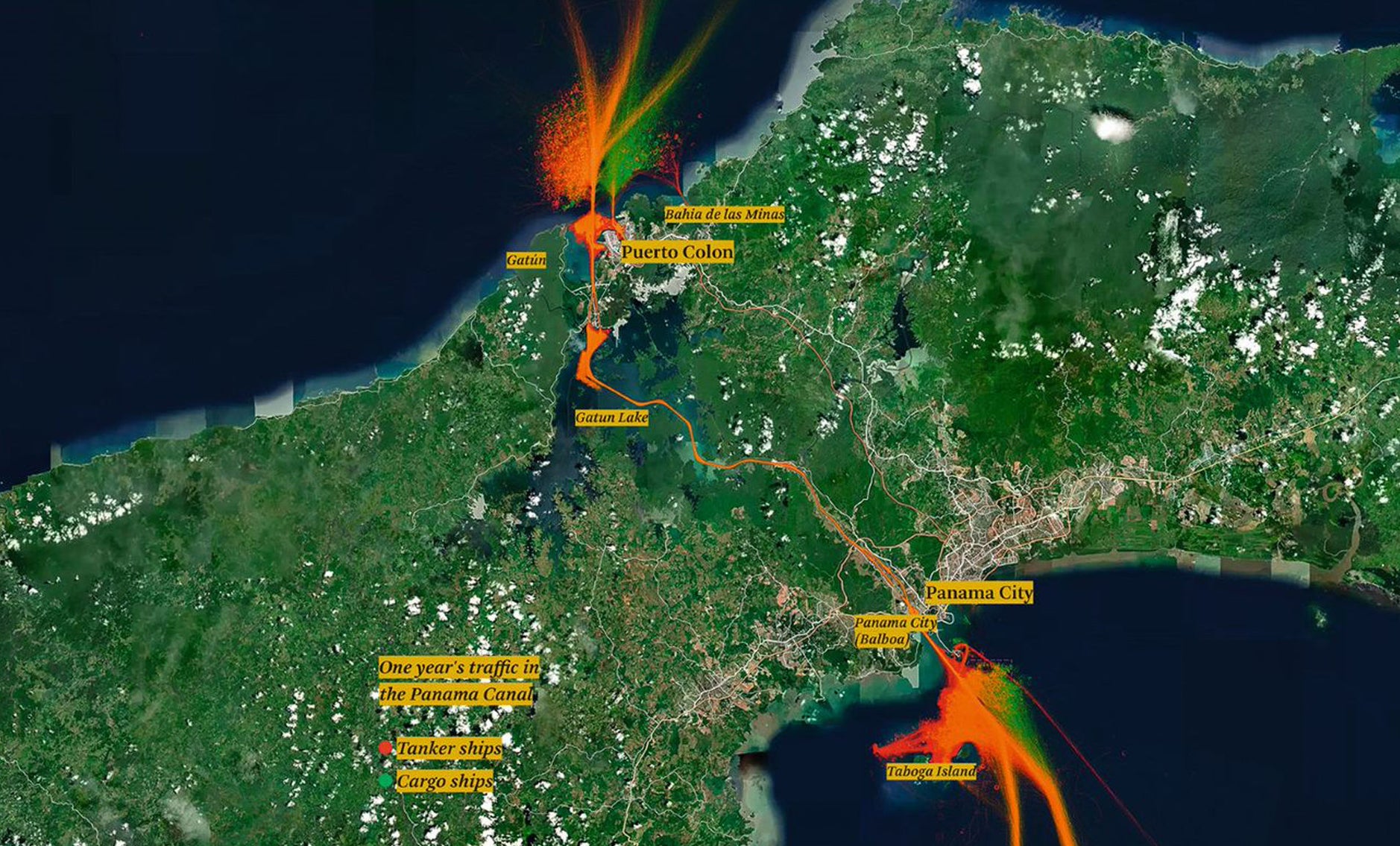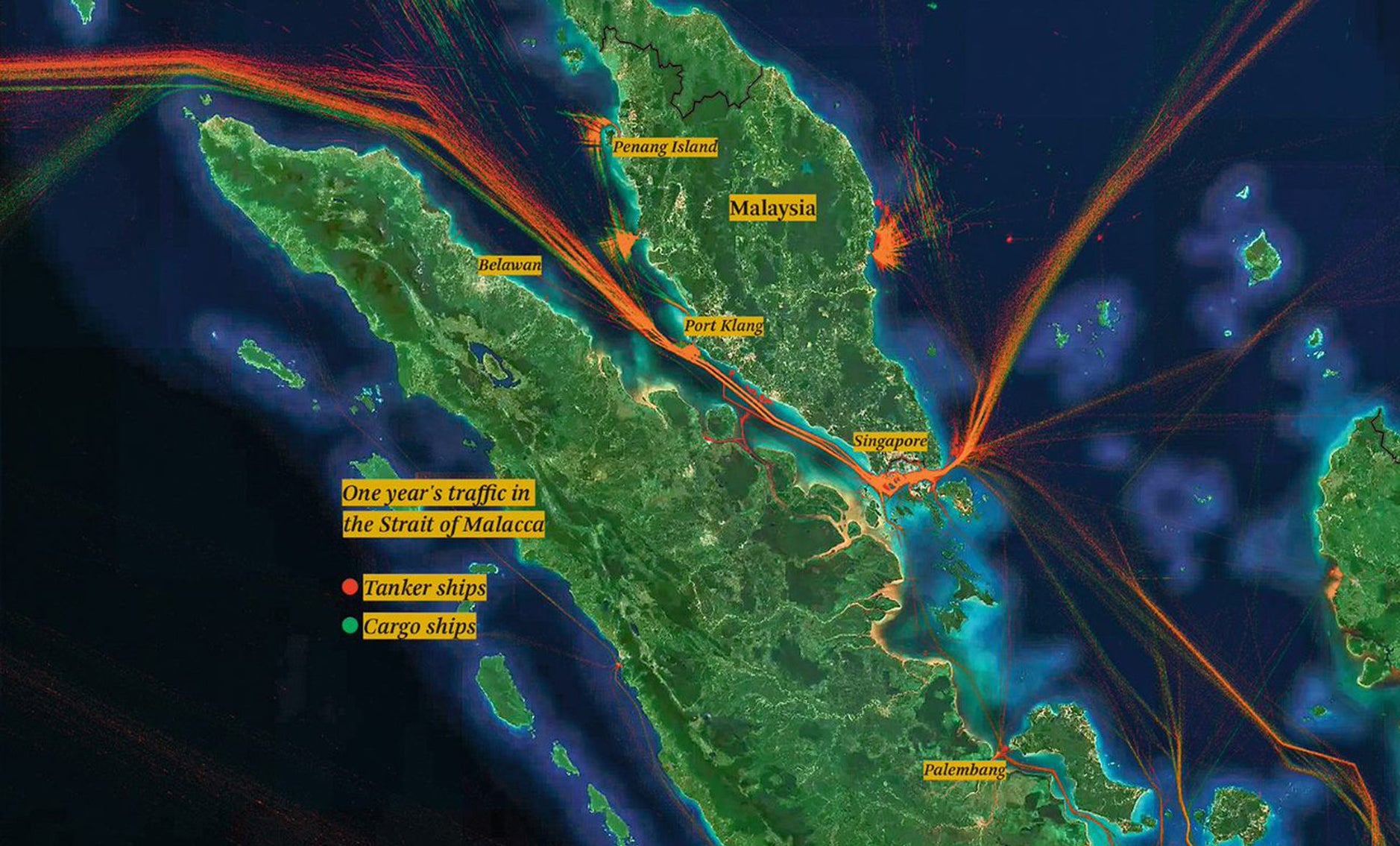

Over 80% of traded goods are moved over water. Shipping is the backbone of world trade, driving and driven by globalization. But as the recent blockage of the Suez Canal shows, maritime chokepoints can cause havoc to complex supply chains. As trade increases, so do these risks – and the search for ways round them.
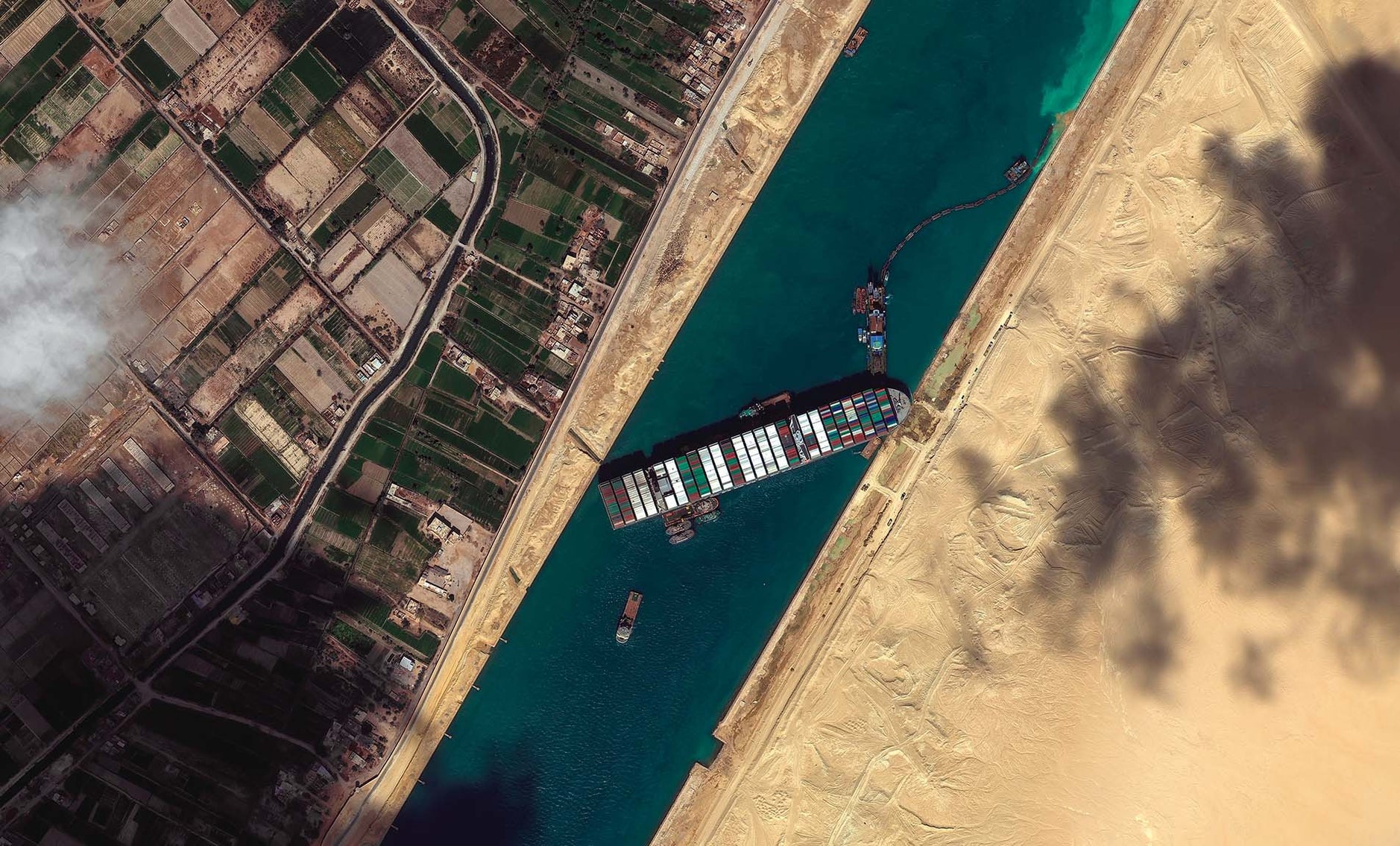
Seen from space, the Suez Canal stands out against the contours of the Asian and African continents, connecting the Mediterranean Sea to the Indian Ocean via the Gulf of Suez and the Red Sea. Since opening in 1869, it has served as a maritime shortcut between the Asian, African and European markets. Today 12% of world trade passes through the human-made passageway.
In March 2021, the container ship Ever Given blocked the Suez Canal for six days, holding up nearly $775 million worth of goods on the ship and sending shock waves through global supply chains. With 85% of goods by volume shipped by sea, it was a reminder of how dependent our economies are on the flow of traffic along maritime trade routes – and how easily things go wrong.