
Tech entrepreneur Carlos Moreno has a catchy, sustainable idea for urban life: the "15-minute city." But is it an old idea whose time has finally come – or wishful thinking in a world dominated by the car?
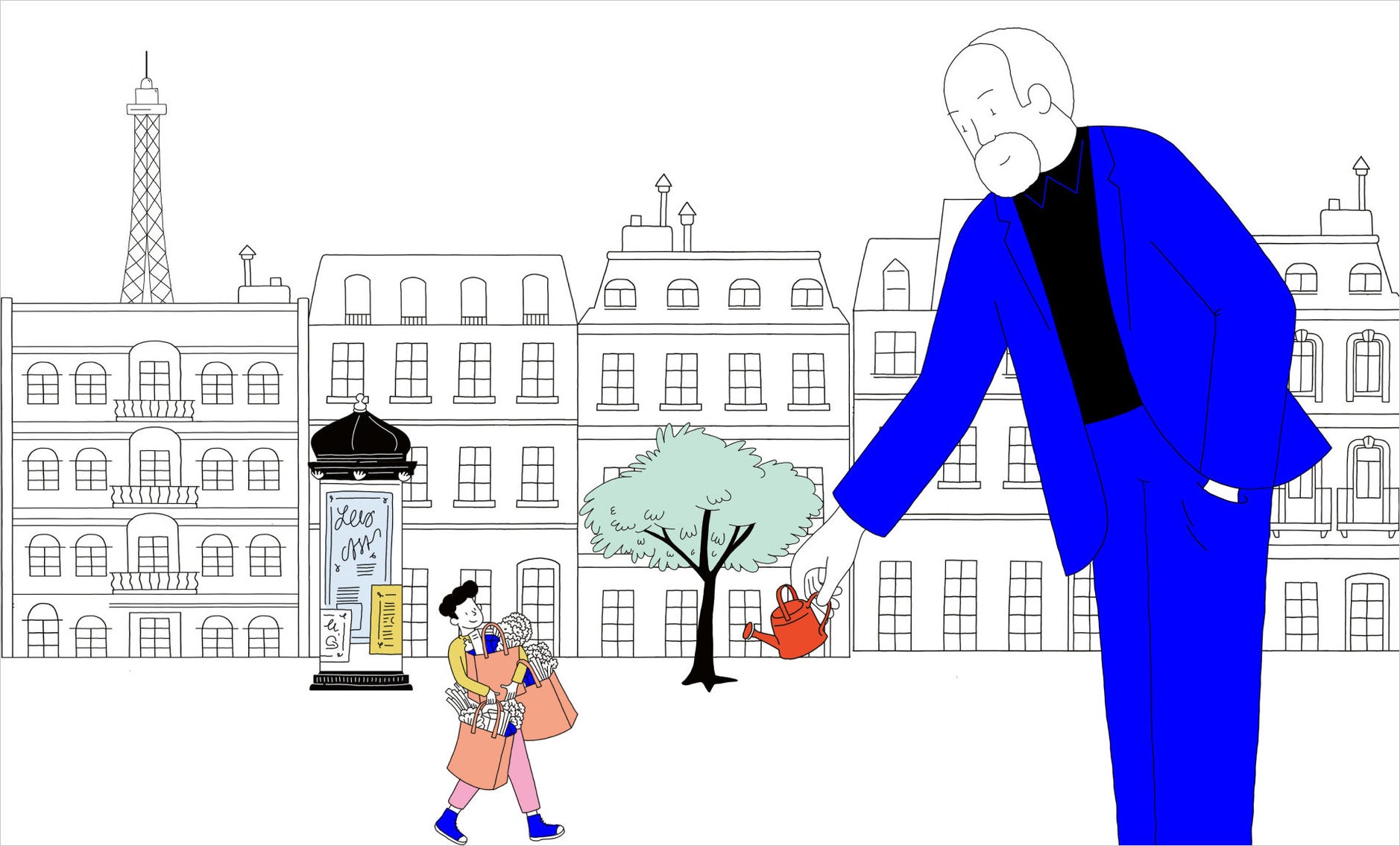
Life is good for Carlos Moreno. His spacious apartment in a historic building in Paris' swanky 6th arrondissement offers views of the Seine and the Louvre. A cursory search on Google Maps reveals at least 20 restaurants and even more bars within a 15-minute walk, as well as a dozen or so medical centers, a handful of supermarkets and nine educational institutions, ranging from an elementary school to top universities, plus nine public libraries. Everything one needs, in short, is accessible by foot or bike. There are plenty of public transit options to get to a train station or the city's airports. And the Jardin des Tuileries offers manicured green space to relax and recharge. It's an urban idyll.
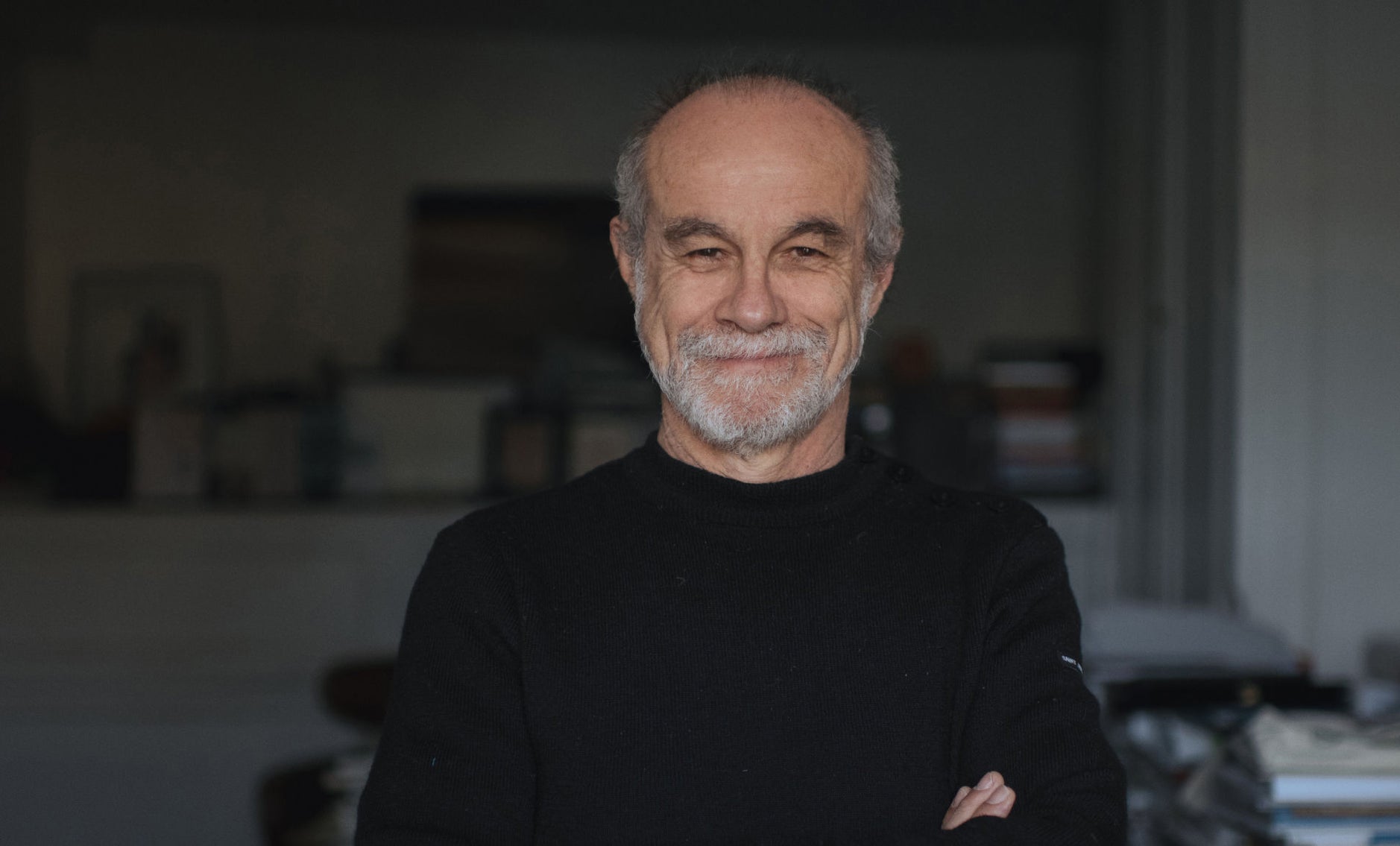
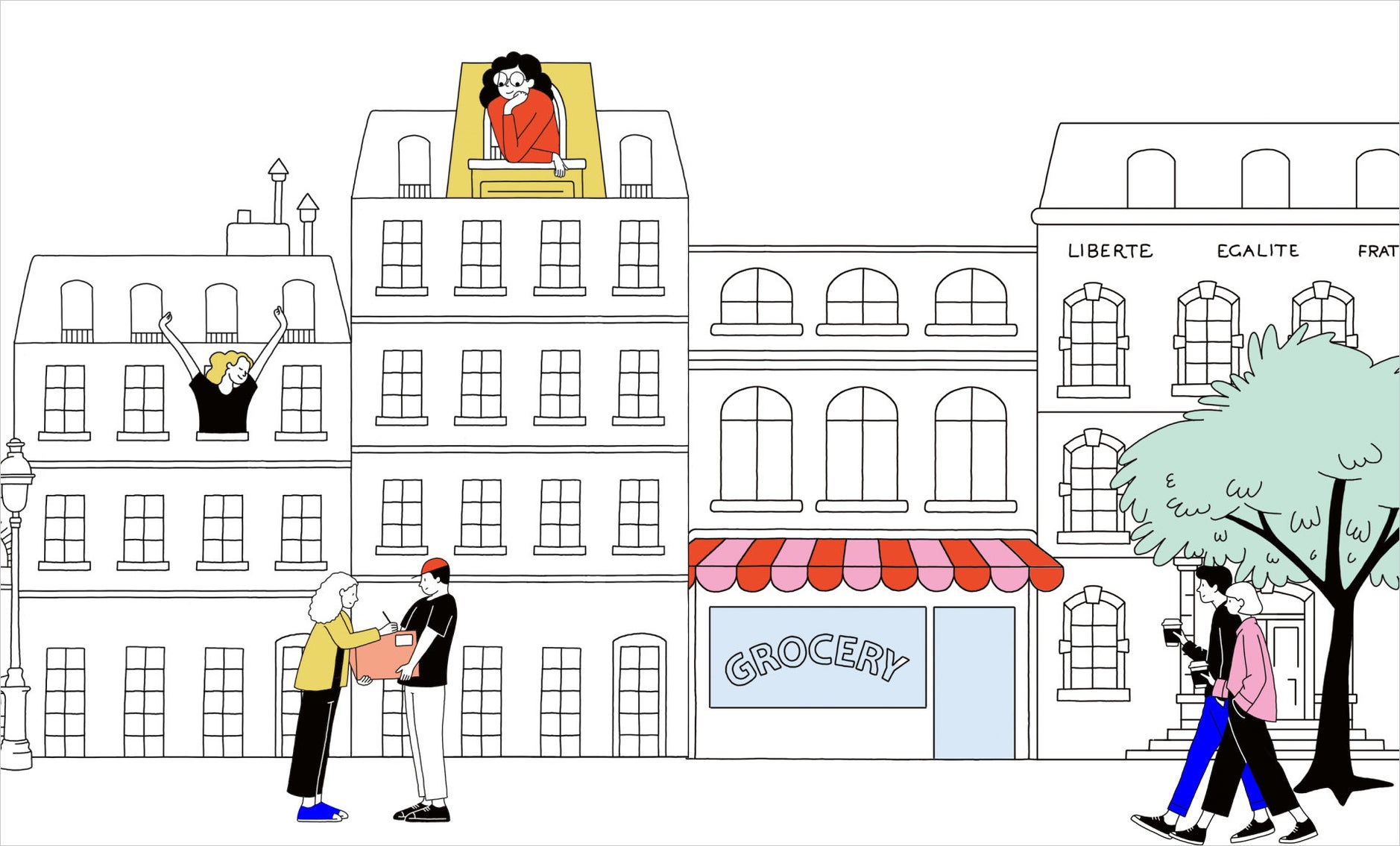
For Moreno, a Colombian-born academic who has spent the last 45 years in Paris, going about daily life with easy access to all the necessary services and amenities is more than a personal choice. It's his mission. He has become the evangelist of a concept for urban renewal he has deftly labeled "the 15-minute city," and thanks to growing concerns about climate change and the repercussions of Covid-19 on how humans work and play, Moreno has found a receptive audience around the world.