But how did K-pop, once supposedly a niche concept, become such a staggering success? And what can the world of business learn from it? For one, K-pop production houses are complex machines, covering every creative and business aspect of the acts they handle, from records and tours to merchandise, branding deals and social media. A range of complementary and competing acts coexist under the same umbrella at these production houses. "It's like creating a movie," explains Shin Cho, the head of K-pop and J-pop for Asia at Warner Music Korea. "There's a universe in there and there are characters that are integrated."
The careers of these acts are intricately planned in advance, often stretching eight or nine years into the future, Cho explains. "The companies map out how this universe and how these storylines play out." This approach is taken for every act they represent, meaning some will have careers running in parallel and newer acts will be developed to replace others as their appeal wanes. "These labels not only work on your music, your management and your brand deals, they are often housing, feeding and dressing the stars," says music writer Jeff Benjamin who has been covering K-pop since 2011.
Hybe looks after BTS along with TXT, Enhypen, Seventeen and Yehana to name just a few. Its website feels less like that of a record label and more like that of a hedge fund, with one section devoted purely to investors. SM Entertainment, meanwhile, represents pop acts, actors, models and athletes. It has over 40 musical acts currently in its roster. All these acts are precision-tooled to appeal to multiple audiences simultaneously, creating a mélange that runs counter to the traditional rules of pop. "Strategically you can put [groups] into different units," explains Cho. "You can have vocal units of four guys or more singer-songwriter acts; you can also put rappers in there and dancers. You can put the different puzzle pieces together."
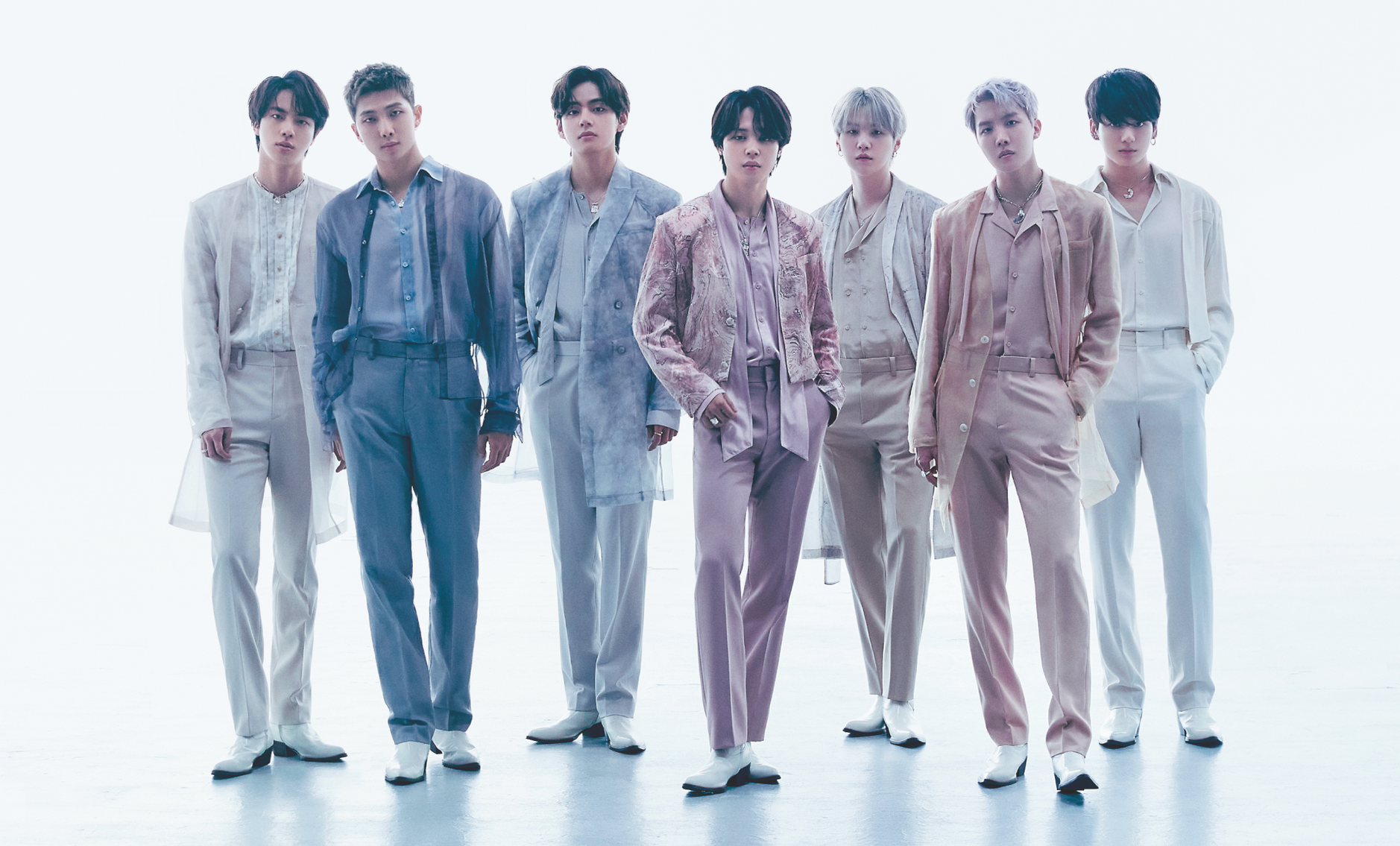
Blackpink has a mere four members, BTS has seven, Seventeen is something of a misnomer in that it has 13 and Neo Culture Technology has an astounding 23 members that break into subunits that can target multiple audiences concurrently. Benjamin argues this hybridization is a calculated feature rather than a desperate and scattershot strategy. "A key point of K-pop is making sure these groups, or even the solo singers, can appeal to multiple interests," he says. "I remember hearing my first K-pop song and being blown away by the fact that it had moments that sounded like a ballad, it had moments of rap, it had a dance break, it had autotune. If you lean towards rap, if you lean towards R&B [or other genres], you can still find something in so many of these acts."
Having multiple focal points both across your products and within your products becomes symbolic of a new strategy for success. With the moving parts centrally controlled, companies can have products that are emerging, peaking and sunsetting simultaneously, with one stepping in to replace the one before it as it approaches the end of its lifecycle. Apple understood this with the iPod where product differentiation allowed consumers to move differently through the portfolio depending on their requirements. A stable of K-pop stars is no different.