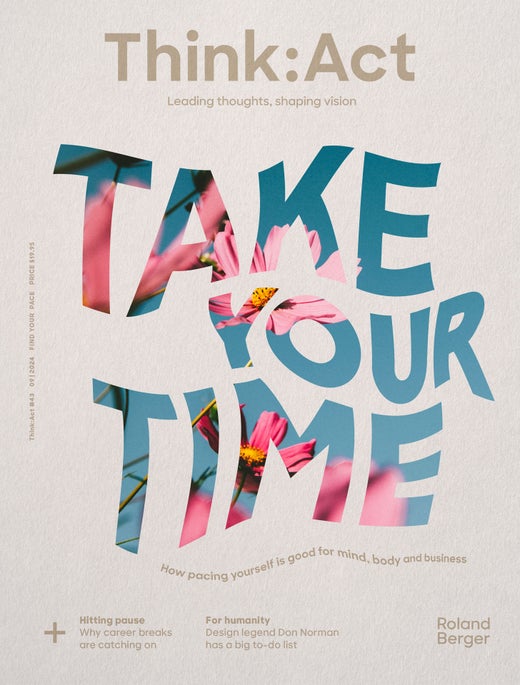
For Carl Honoré, the realization came in Rome's Fiumicino airport. He was flicking through a newspaper when the words "one-minute bedtime story" leapt out at him. "Could this be the answer?" he wondered. His then two-year-old son liked slow, meandering tales to fall asleep to, yet the writer frequently found himself rushing through the ritual, eager to move on through his never-ending to-do list. But then he checked himself: "Have I gone completely insane?" On the flight home, Honoré realized that almost everyone he knew was obsessed with packing as much as possible into every day, rushing from one thing to the next, stretching themselves to the breaking point.
He vowed to see if there might be any benefits to resisting this "cult of speed" and the resulting book, 2004's In Praise of Slow, details his discoveries. Two more books and a TED talk followed, but Honoré says he frequently felt like a lone voice in the crowd. Now, 20 years after In Praise of Slow was first published, things have changed – for better and worse. Technology has given us more "weapons of mass distraction," and the pace of life has increased further still; on the flip side, the "slow revolution" as he calls it, is spreading, prompting more and more individuals and entire organizations to pay more attention to how we pace ourselves.