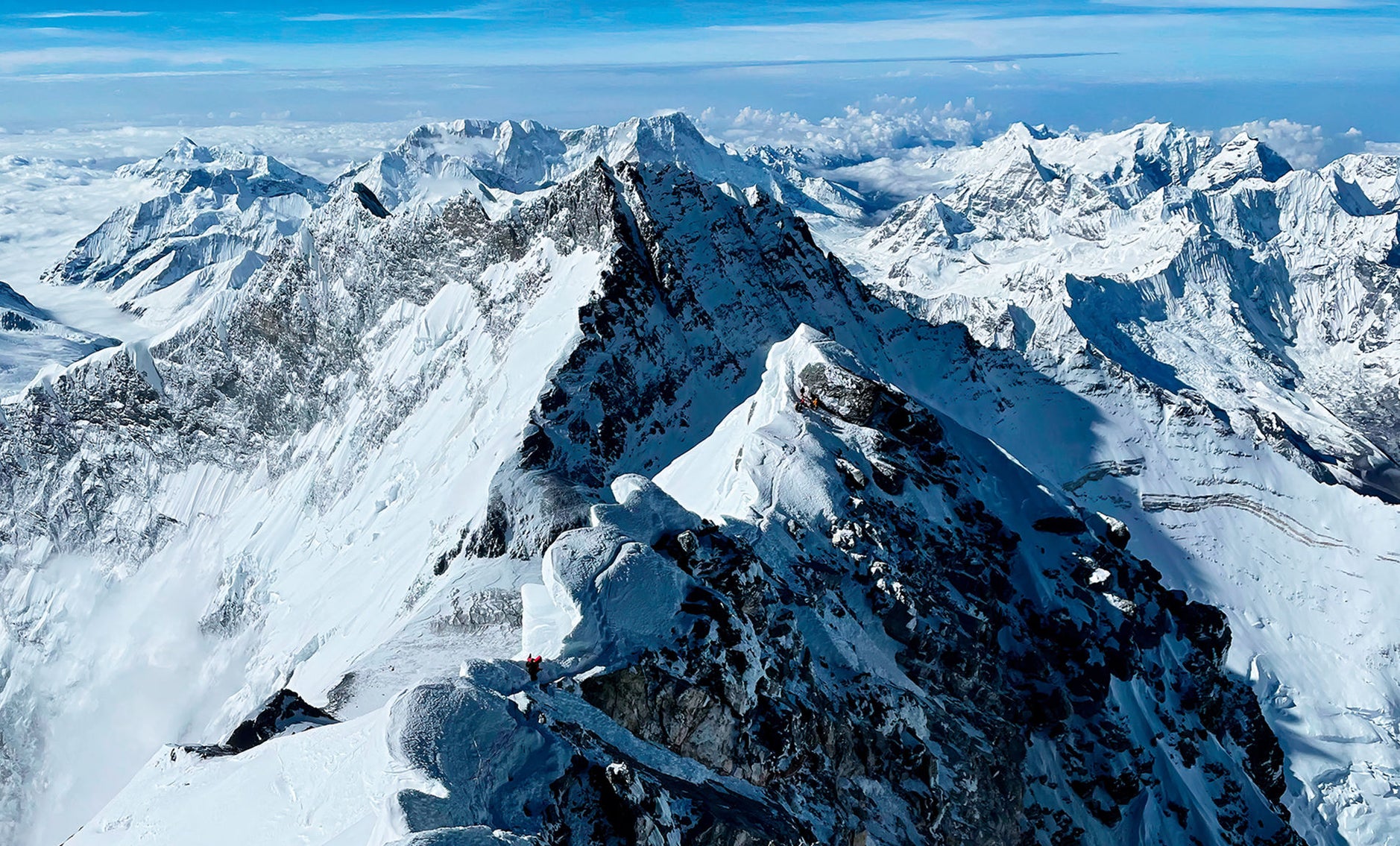
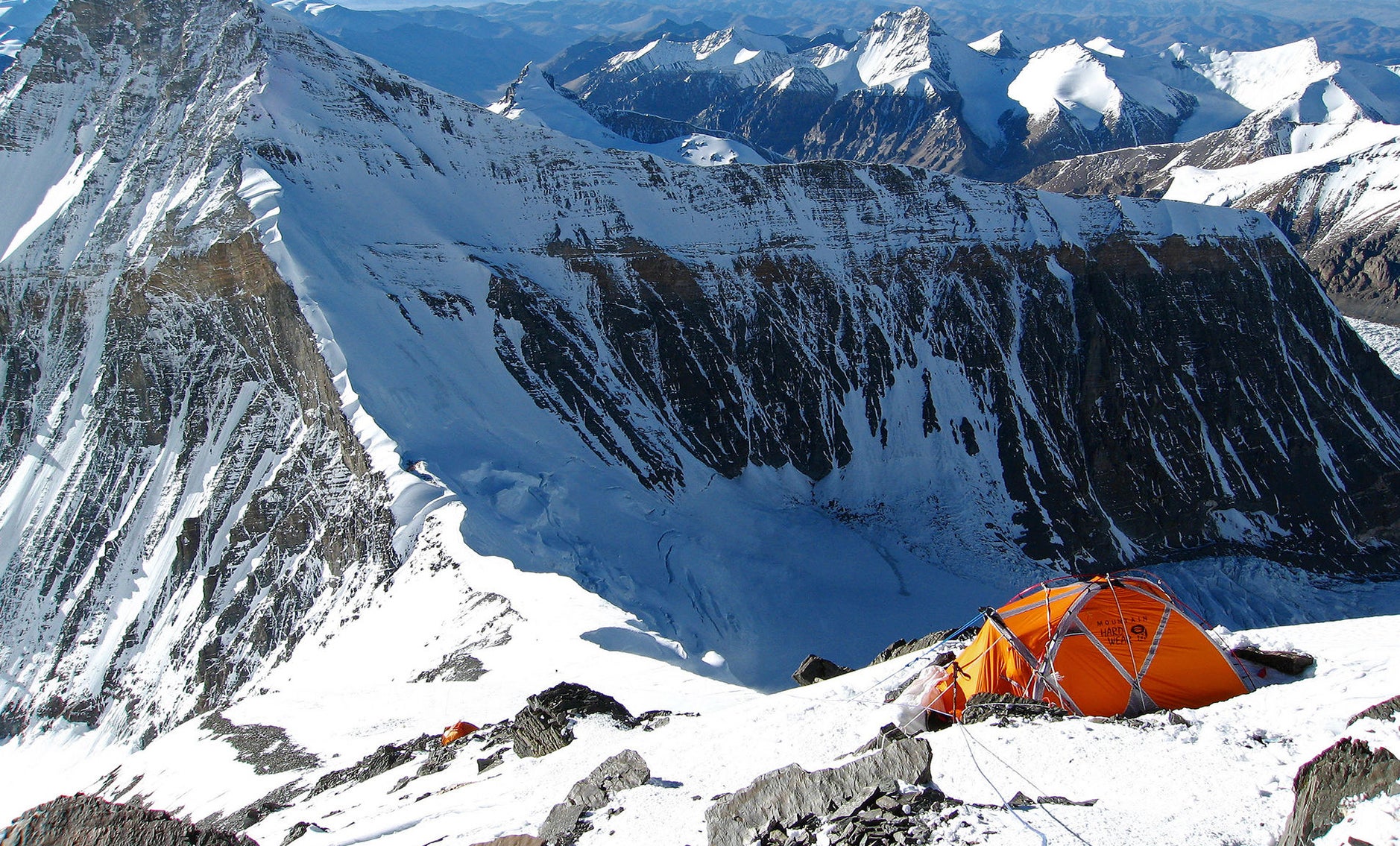
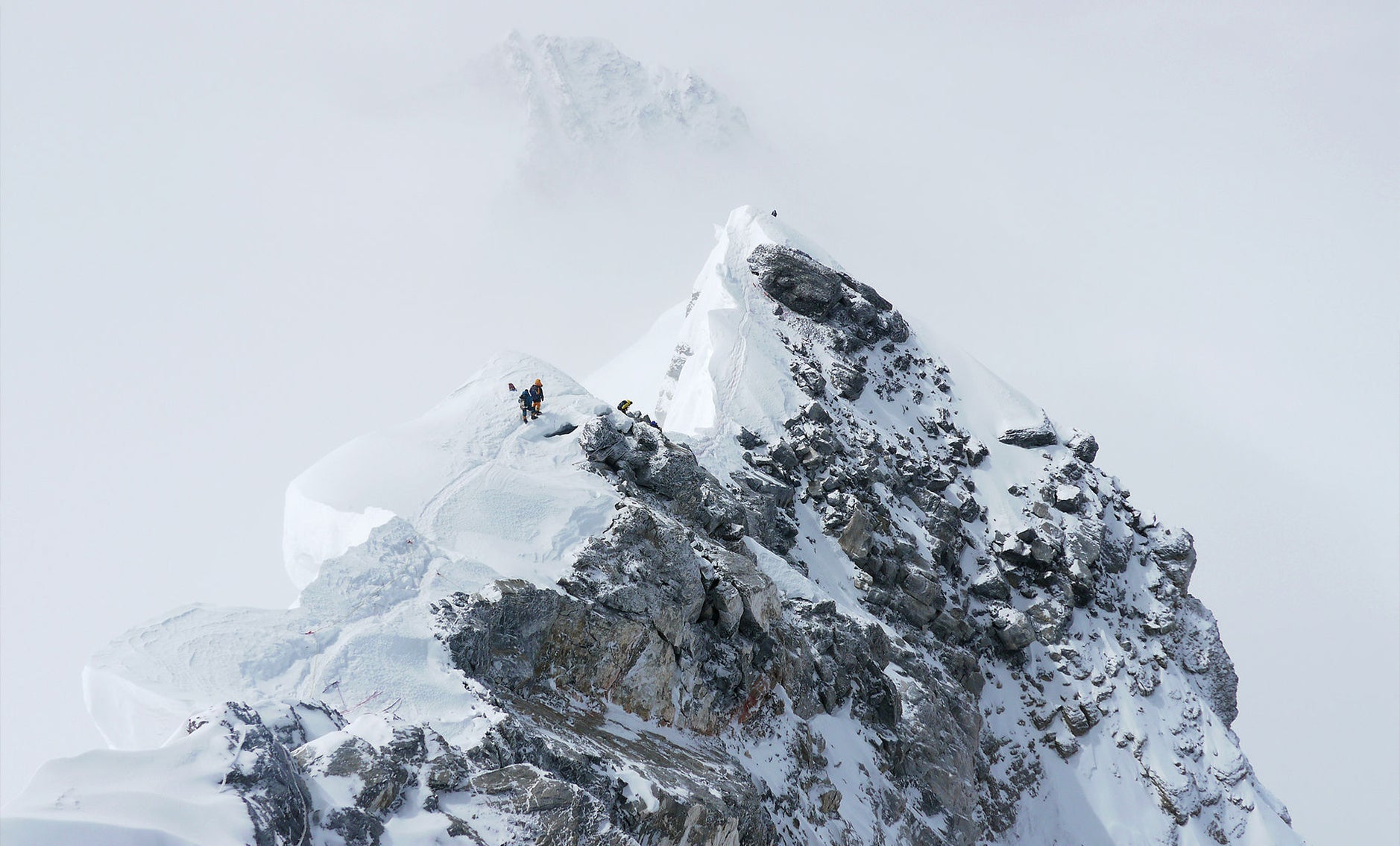
There are many routes to the goal, but one thing is certain for Mount Everest: Climbers like Levine, who took the southern approach via Nepal, and Bagley, who opted for the less crowded northern approach via Tibet, mostly climb up to come right back down. Acclimation around the so-called "death zone" above 8,000 meters demands that you advance to higher camps in intervals only to return to lower altitudes to survive and regain strength.
Backing up to stay strong or to avoid hazardous weather is different from backing down, as Levine has stressed in talks over and over again. "It's challenging and psychologically super frustrating," she admitted at an appearance at Google headquarters. "You are going backward but still making progress. Progress doesn't happen in one particular direction. Backtracking is not losing ground: It's an opportunity to regroup so you are better next time."
Bagley sees it as a game of patience that applies to every project. "Climbing Everest is a two-month commitment, going up and down and hoping for a window of four or five days of good weather to make a summit attempt. That experience taught me to wait. If you don't take shortcuts, if you do the work and have all skills in place, chances are it's going to happen, just not in the time frame you had in mind. That's when it helps to have a high-altitude mission and vision statement. In order to cope with the wait, the repetitive and exhausting schedule and the mental stress, both women kept mantras. "A mantra helps you visualize where you want to go and lets you simplify things," Bagley says.