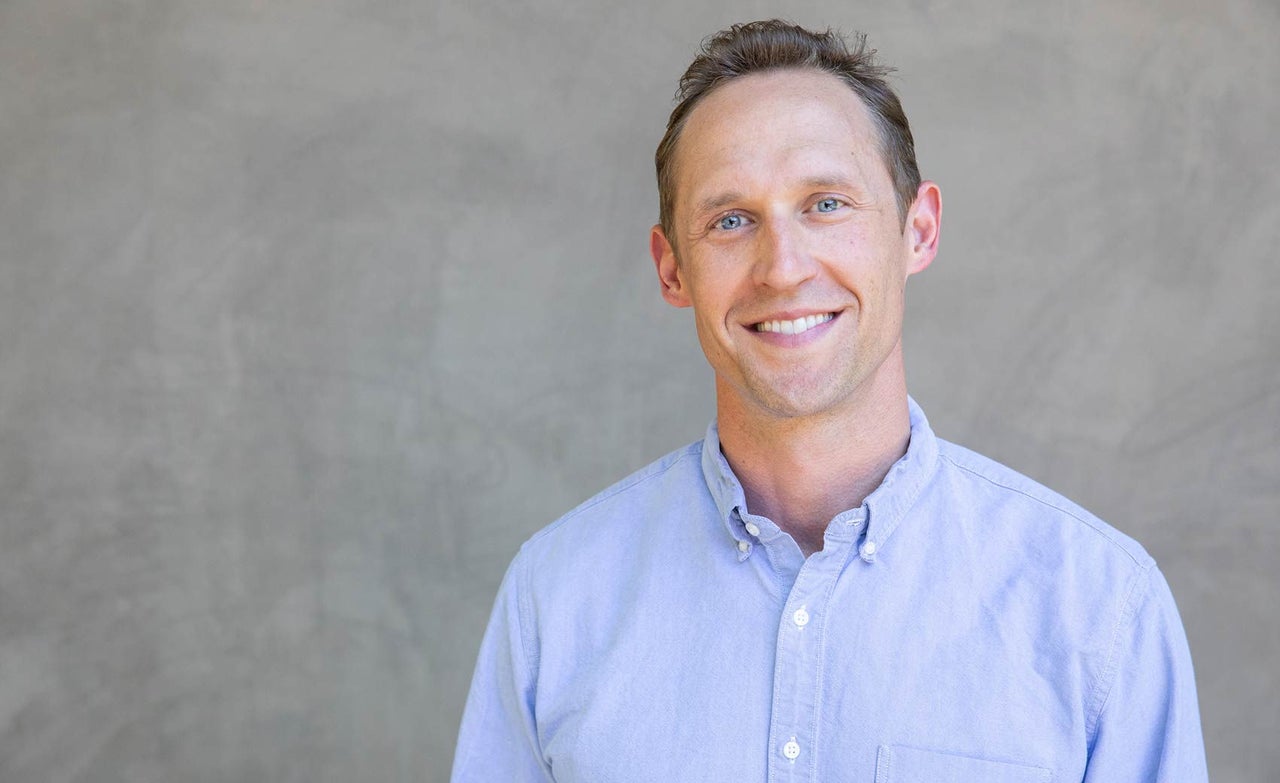
But a positive impact on the team's results, despite those uniquely difficult conditions, has seen him continue in that role to this day, focusing on fine-tuning drivers and team personnel's minds. "The challenge for drivers is the same as for other elite athletes competing solo over an extended period of time and most people working in high-demand business roles – namely to not overthink," says Hopley. "These guys are incredibly experienced in driving while processing communication from their race engineers and giving real-time feedback on track that informs the vast system of engineering trackside and back at base. When the pressure is really on their ability to trust their judgement, taking the critical information from engineering and executing strategy is key. Helping them to develop their ability to ignore unhelpful thoughts, or white noise, when under intense pressure is essential."
Three seasons ago, in 2020, McLaren finished third in the Formula 1 Constructors' Championship – their highest since 2012 – and the following season the team's two drivers secured a first and second finish at the Italian Grand Prix – their first podium wins in over a decade. "Since 2020, when the pandemic had a massive effect on the well-being of our trackside team, Dr. Phil has transformed our mental fitness, effectively developing both mental health and performance psychology," says Tom Stallard, race engineer and head of human performance at McLaren. "Often sport psychology may feel insufficient on the days a person is struggling and psychiatry feels excessive in eking out the last 2% of performance, but Phil's ability to understand and support both at an extremely high level has enabled the team to maintain resilience and deliver consistently great performance over the last two seasons."
For anyone working in Formula 1 it is clearly a very demanding but rewarding sport to be involved in, but for many it has a time limit. Some drivers, like Fernando Alonso and Kimi Räikkönen, keep going into their 40s but that's the exception rather than the norm, while many engineers and technical crew 'retire' in their 30s to pursue something that allows for a more even work-life balance.
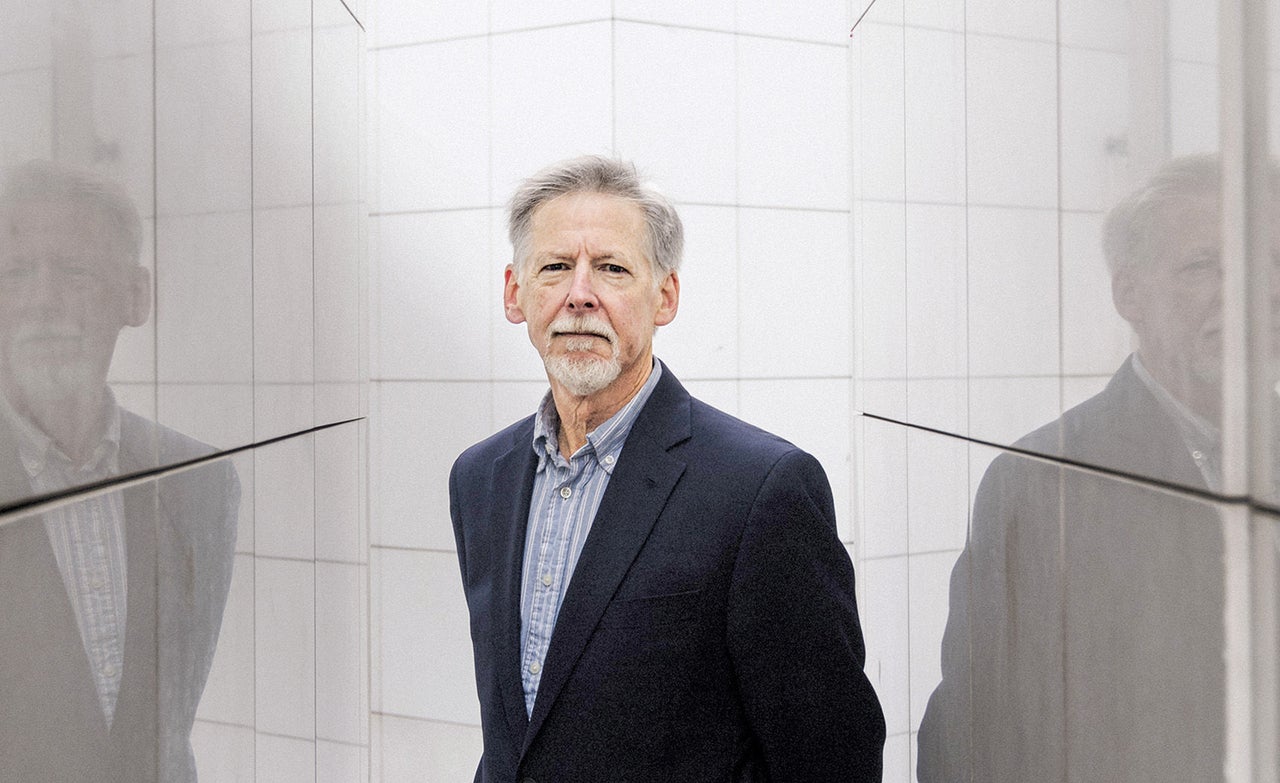
Handkammer left the sport in 2015 when he was recruited by Musk's Tesla company to "apply Formula 1 techniques to revolutionize servicing mainstream cars." Handkammer, who now works for all-electric vehicle company Lucid Motors, adds: "There are lots of technical similarities between commercial car production and working in Formula 1, certainly in the service and logistical aspects. But in other ways it is still much slower – there are things that hold things up like approvals and signoff periods."
After almost three decades of living life in the fast lane, that slower pace suits Handkammer for now. "I am having more family and home time, and I have been able to pursue other interests," he says. "Working in Formula 1 was a fantastic period but I am enjoying the life that I have now."