1. Exploring EU funding opportunities
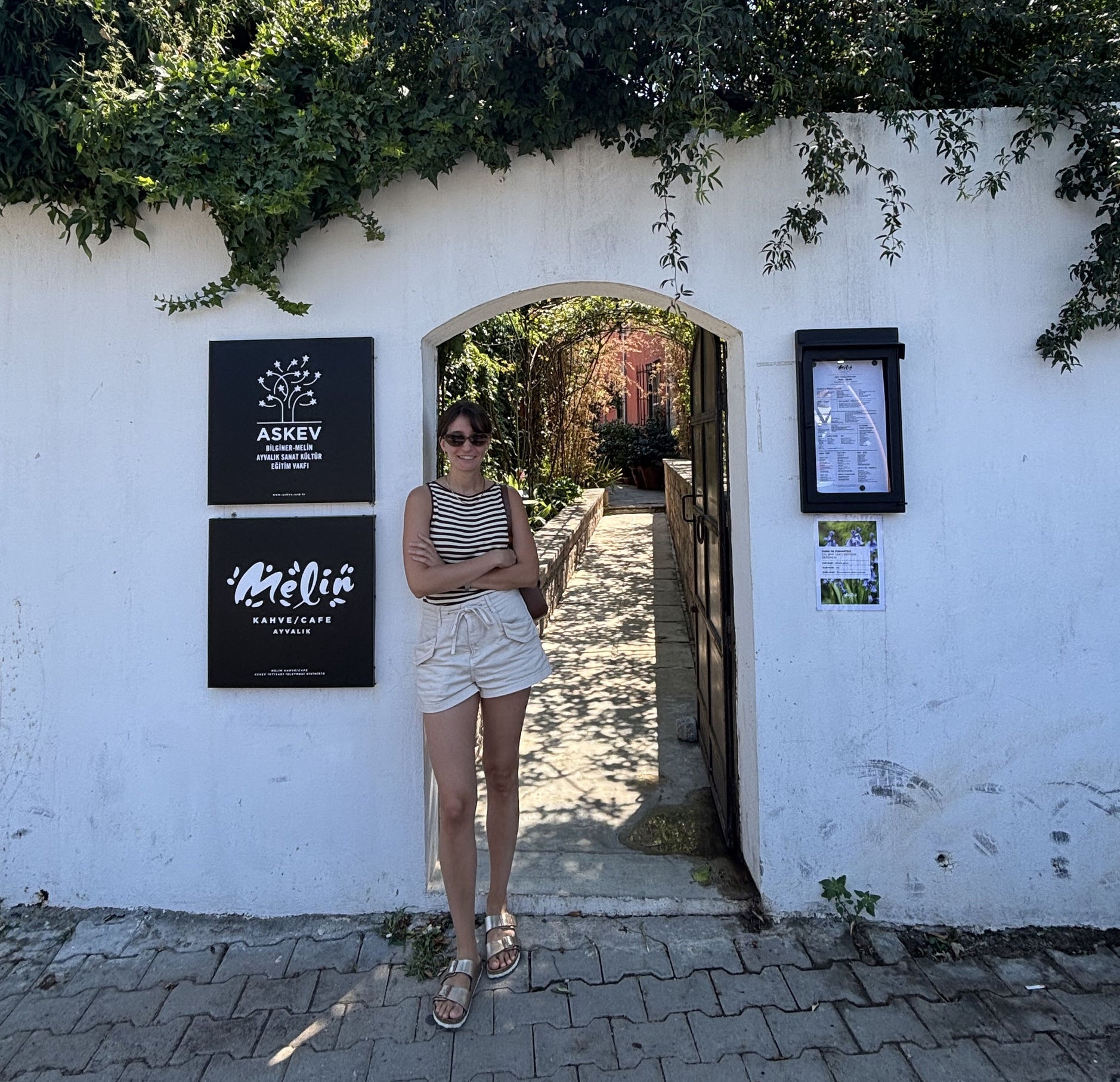
The first part of my work was to look at the EU funding landscape and identify opportunities that could be relevant for ASKEV. For a relatively small foundation, navigating the EU funding landscape can be challenging. There are numerous programs, different eligibility requirements and application processes.
I therefore mapped the funding landscape and assessed potential programs against ASKEV's needs and capabilities. The objective was not simply to identify individual grants, but to develop a more systematic approach to funding – looking at which programs could support areas such as education, youth development, sustainability, rural development or local community initiatives.
This work also highlighted an important principle: external funding can help accelerate ASKEV's activities, but it should complement rather than replace a sustainable underlying business model.
That led naturally to the second part of my fellowship.
2. Selling olive oil to fund scholarships
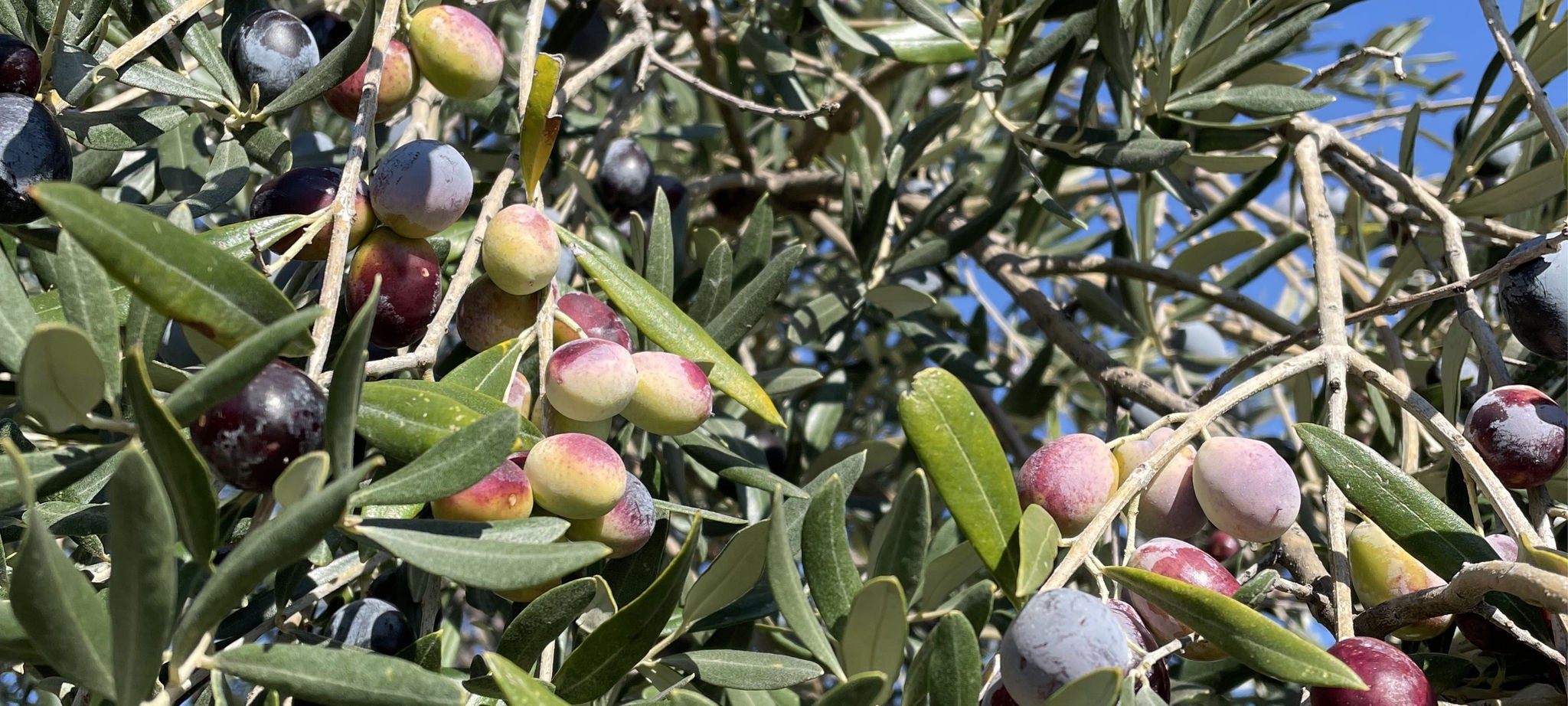
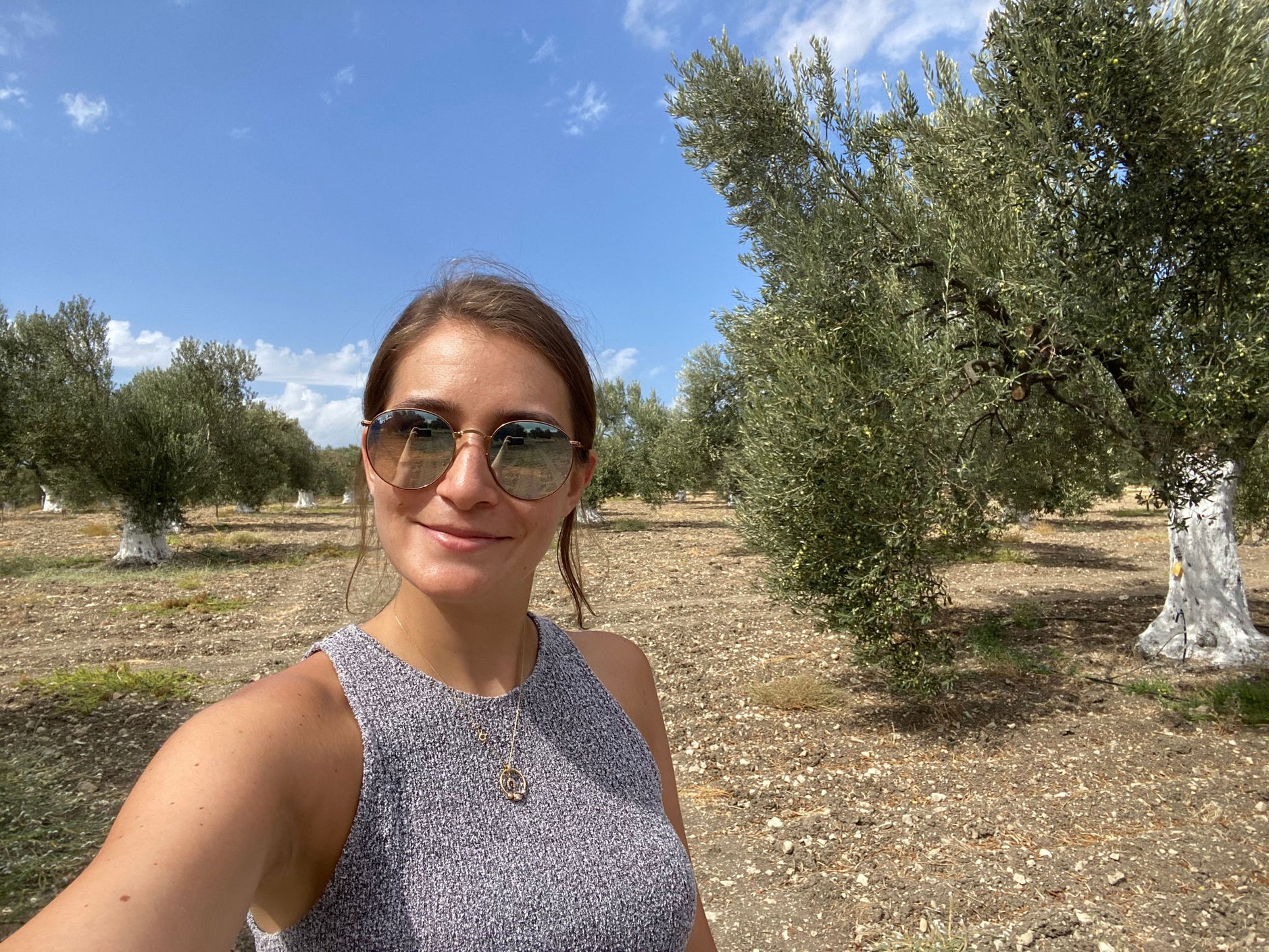
The second part of the fellowship focused on something much closer to home –ASKEV's olive grove.
Ayvalık is famous for its olive oil, and ASKEV already produces its own. I looked at how the foundation could strengthen the positioning and sales of its olive oil and, in turn, generate more funding for scholarships.
We explored different customer groups and sales channels, including direct sales, corporate customers and partnerships. One idea that stood out was corporate gifting: companies could purchase ASKEV olive oil as gifts for their employees on special occasions, while knowing that their purchase also contributes to a student's education.
The ambition is simple: to turn something that already exists – the olive orchard – into a stronger and more sustainable source of scholarships.