Case study: automated rotoscoping
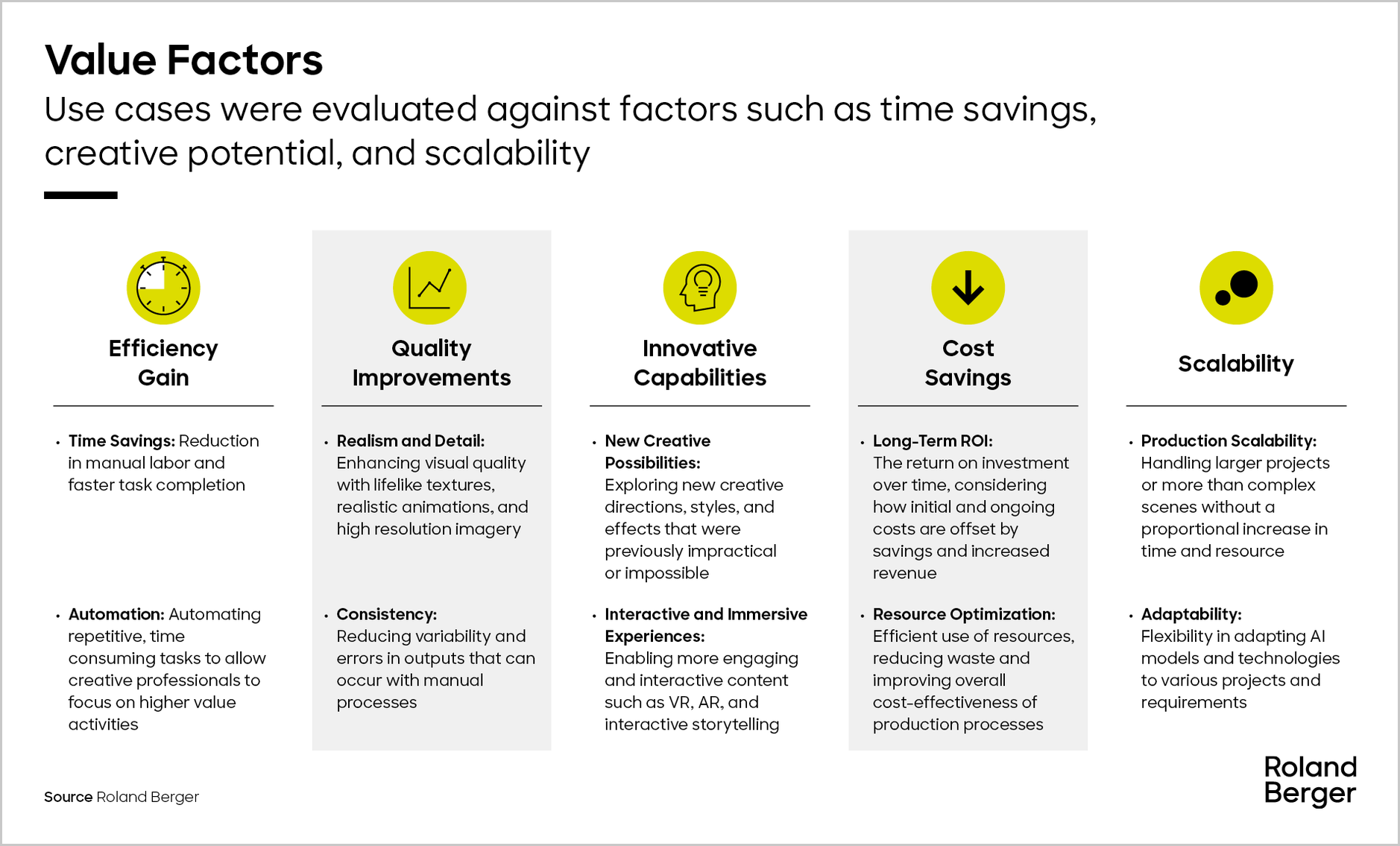
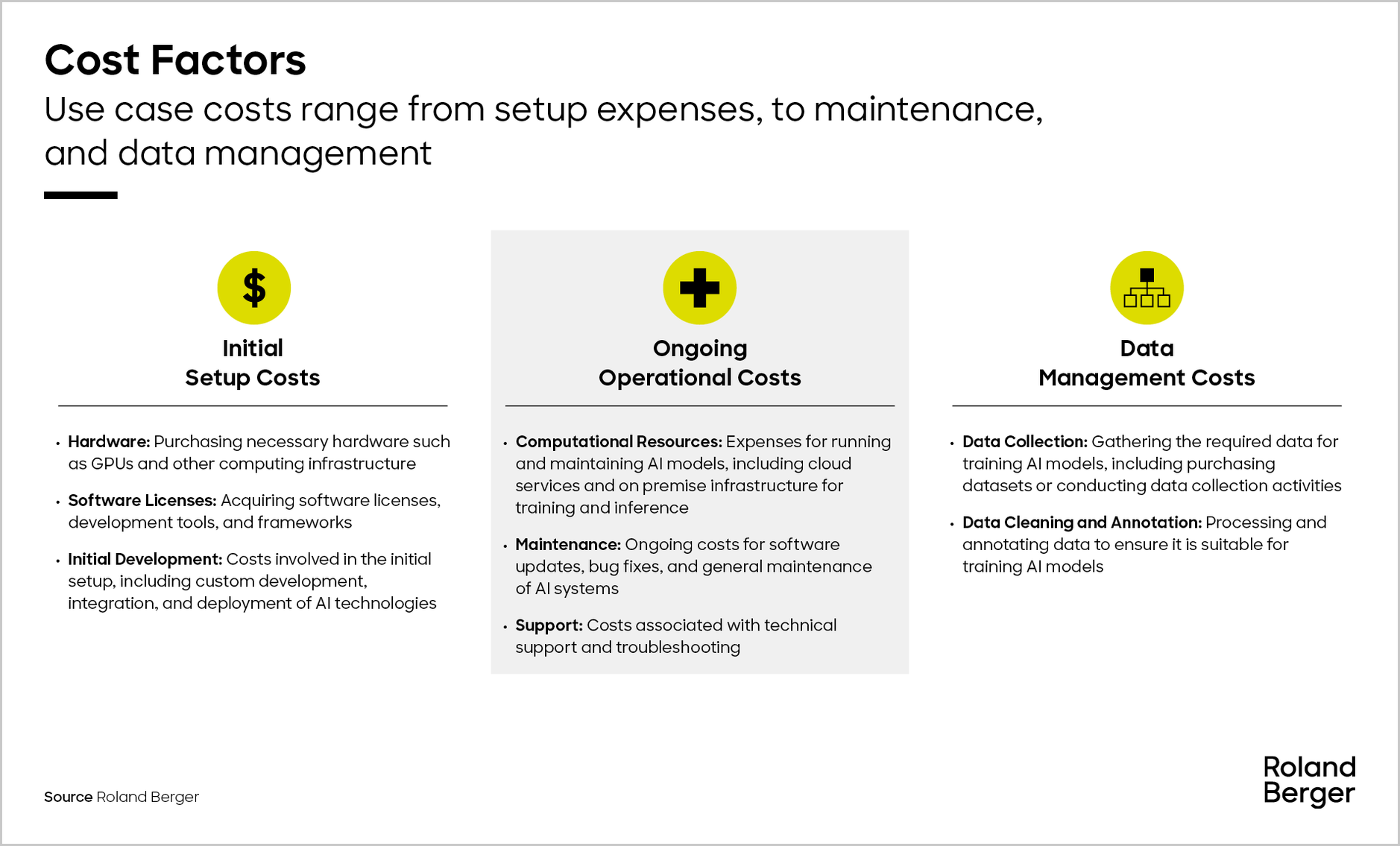
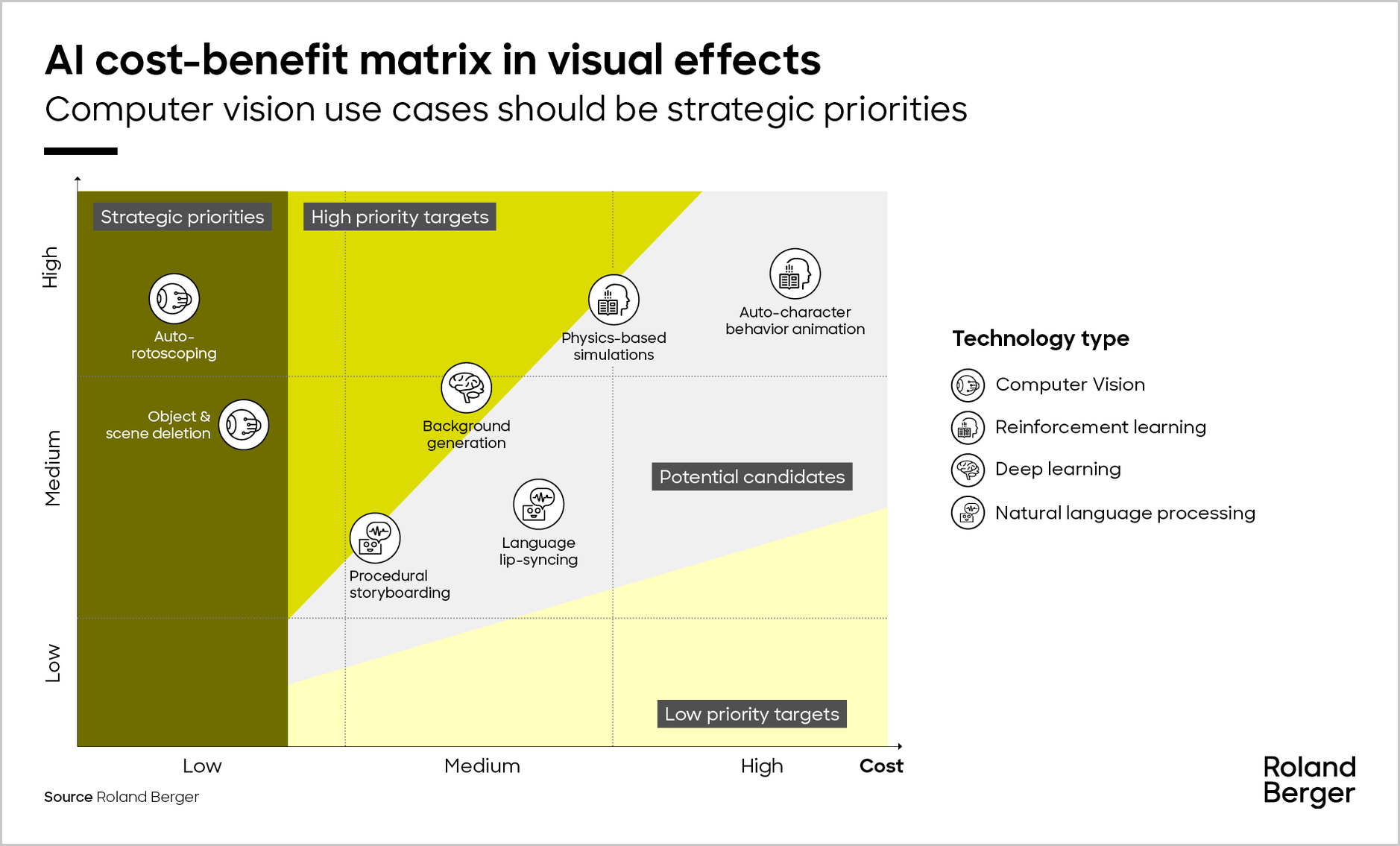
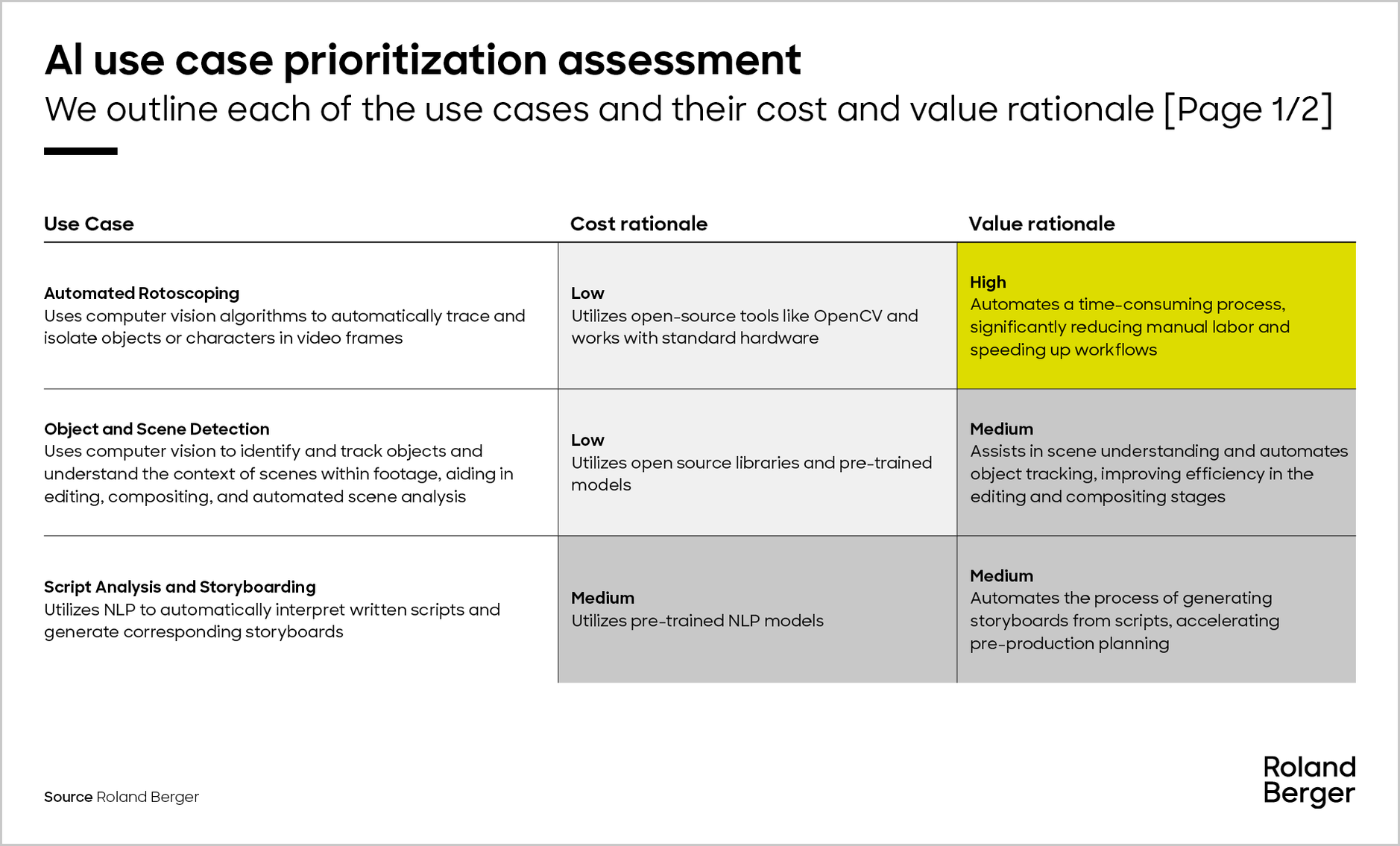
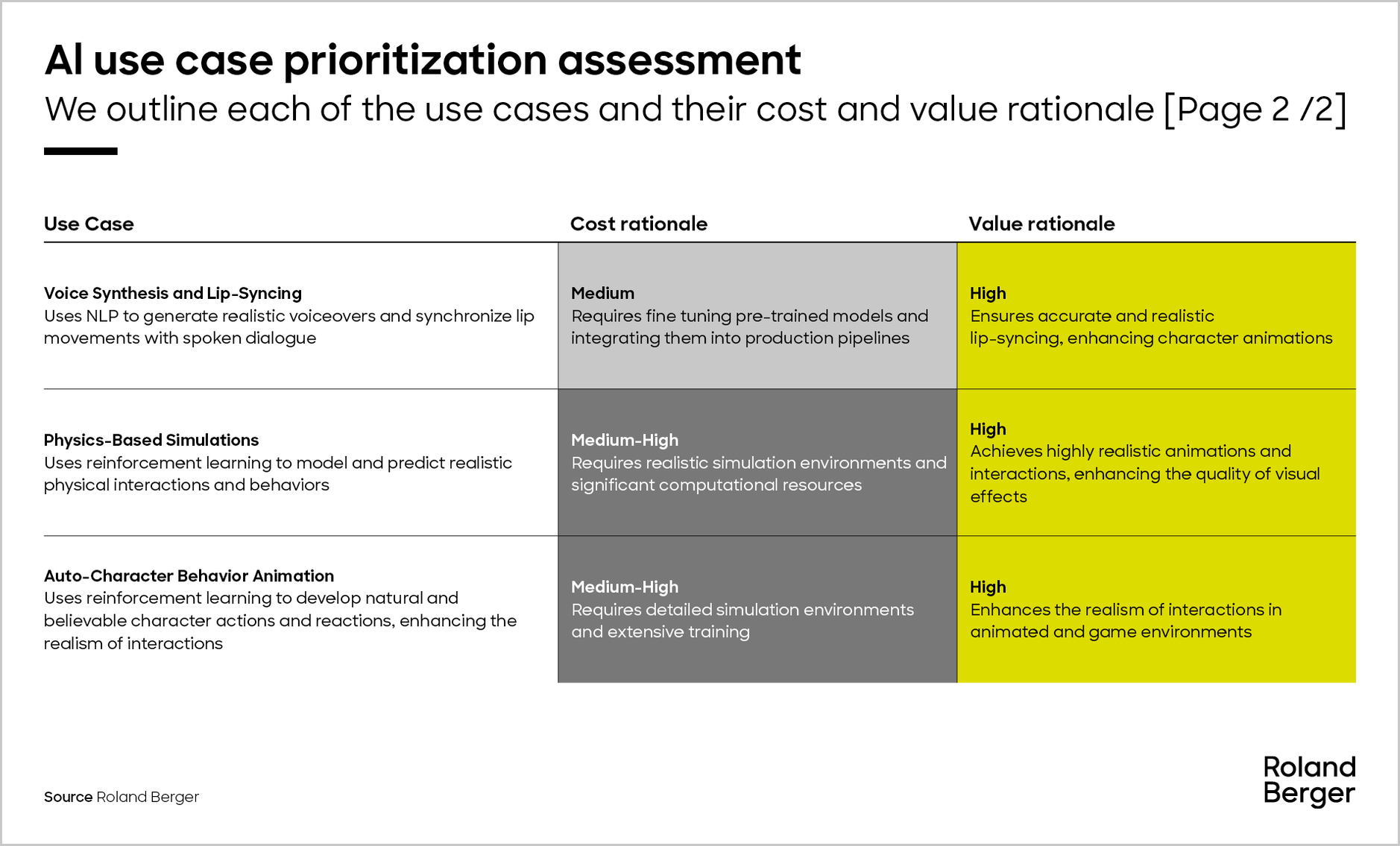
Automated AI rotoscoping is one of the most promising short-term applications of this technology, offering a clear example of how we apply our cost-and-value framework. By significantly streamlining the traditionally labor-intensive process of manual rotoscoping—tracing live-action footage frame by frame to produce animated sequences—AI introduces substantial efficiency gains. However, the extent of these time savings depends heavily on the type of film being produced. Different genres involve varying levels of complexity, which influences both the workload and the value of automation.
To demonstrate the potential impact, we evaluated five film genres—action, period, sci-fi, horror, and romantic comedies—using a structured approach. The rotoscoping workflow was divided into three phases: initial keyframing (focusing on primary frames), high-detail refinement (addressing secondary frames), and low-detail interpolation (handling in-between frames). For each genre, we assessed how AI’s capabilities—such as automated mask generation, enhanced motion tracking, and improved frame interpolation—could reduce manual effort at each stage.
Our analysis revealed that time savings range from 20–65% depending on the genre, driven by factors such as scene complexity, camera movements, and the presence of effects like motion blur and CG explosions. Of course, no shot or film is created equally when it comes to VFX requirements, however our analysis showcases meaningful efficiency gains, allowing resources to be reallocated to higher-value tasks. The following pages provide detailed time-saving estimates for each genre, along with concrete examples of how AI delivers these improvements. Our estimates use a standard eight-hour workday, but we know the reality of this industry often involves longer days.