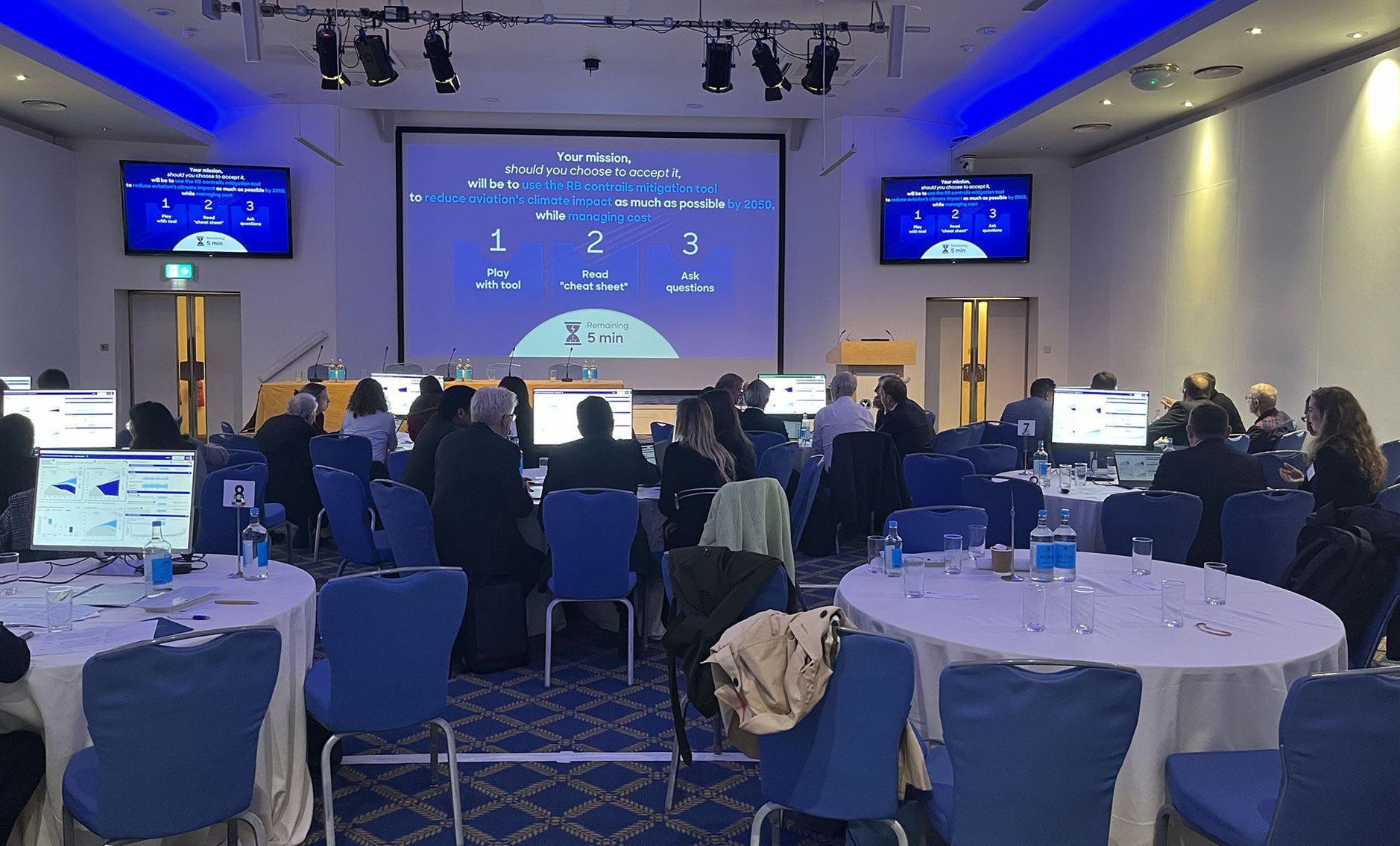
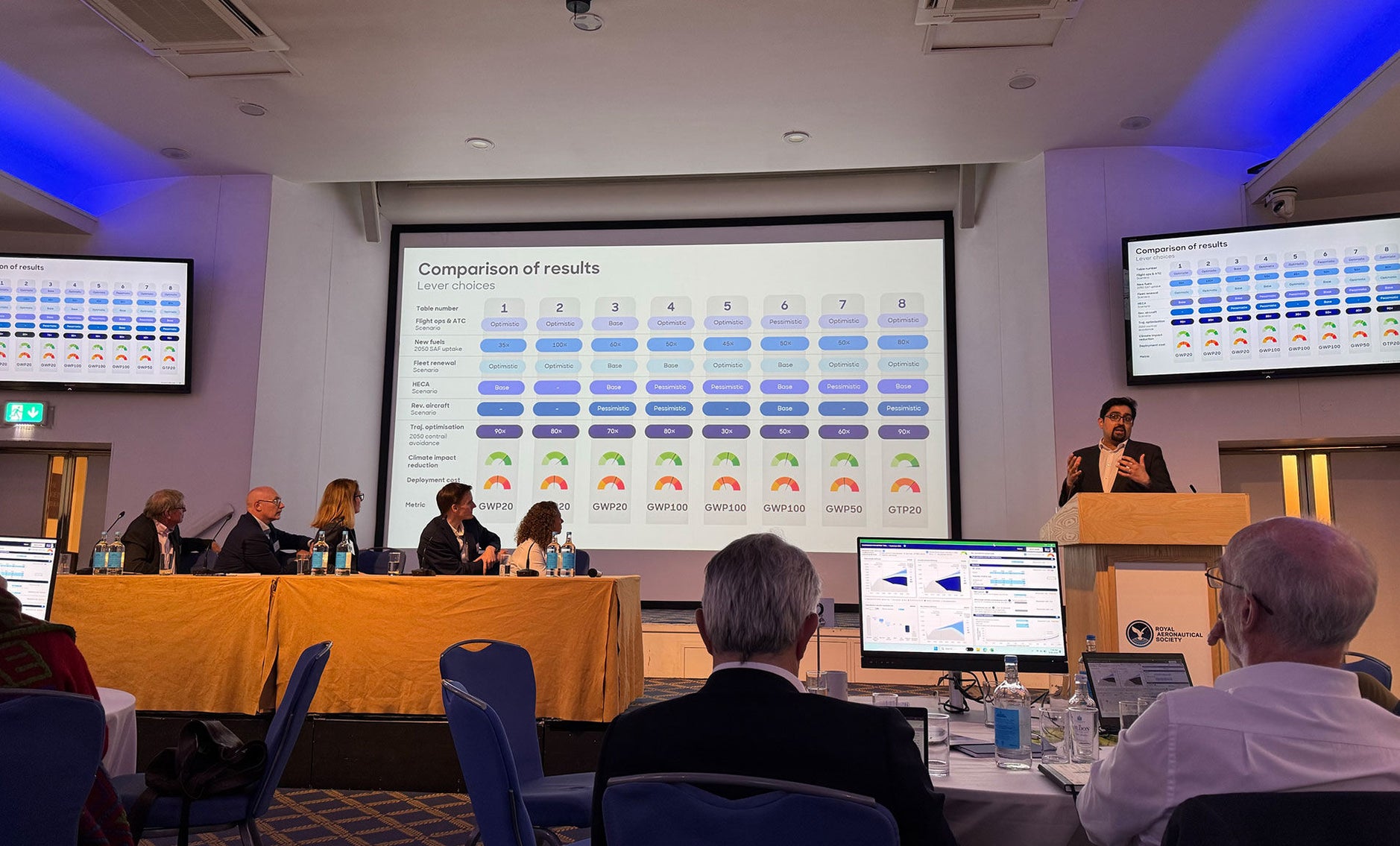
One of the main takeaways from the event was that contrail mitigation should now be a key focus area for the
aviation industry
. While we have made strides in understanding how contrails contribute to climate change, the real challenge lies in applying this knowledge to engineering and operational practices that can reduce their formation. Simple operational changes, such as adjusting flight altitudes to avoid the specific atmospheric conditions that promote contrail formation, have shown promise. Furthermore, more advanced solutions, such as optimizing jet fuel formulations and redesigning aircraft engines to produce fewer contrail-inducing emissions, are being explored.
At the same time, we must continue our research efforts into the deeper, long-term impacts of contrails on climate systems through further trials and experimentation. The complex interplay between contrails, cirrus clouds, and atmospheric chemistry is not yet fully understood, and further investigation is essential. This should, however, not serve as an excuse to delay action. On the contrary, pursuing mitigation strategies in parallel with ongoing scientific inquiry is the most responsible course of action.
By addressing the problem on both fronts—enhancing our understanding of contrails while working on practical solutions to reduce their impact—we can strike a balance between urgency and caution. The aviation industry, which is already under pressure to
reduce its carbon footprint
, must view contrail mitigation as a core component of its sustainability strategy. Companies across the aviation value chain, along with the innovators behind tools like RB’s, are at the forefront of these efforts, driving progress in both research and engineering.
In conclusion, contrails represent a near-term
environmental challenge
that requires immediate action. While there is still much to learn about their total impact on the atmosphere, solutions to mitigate them are emerging and must be implemented without delay. Our recent event underscored the importance of prioritizing contrail mitigation, and we look forward to seeing the aviation industry take the lead in addressing this often-overlooked aspect of climate change.