Technology strategy
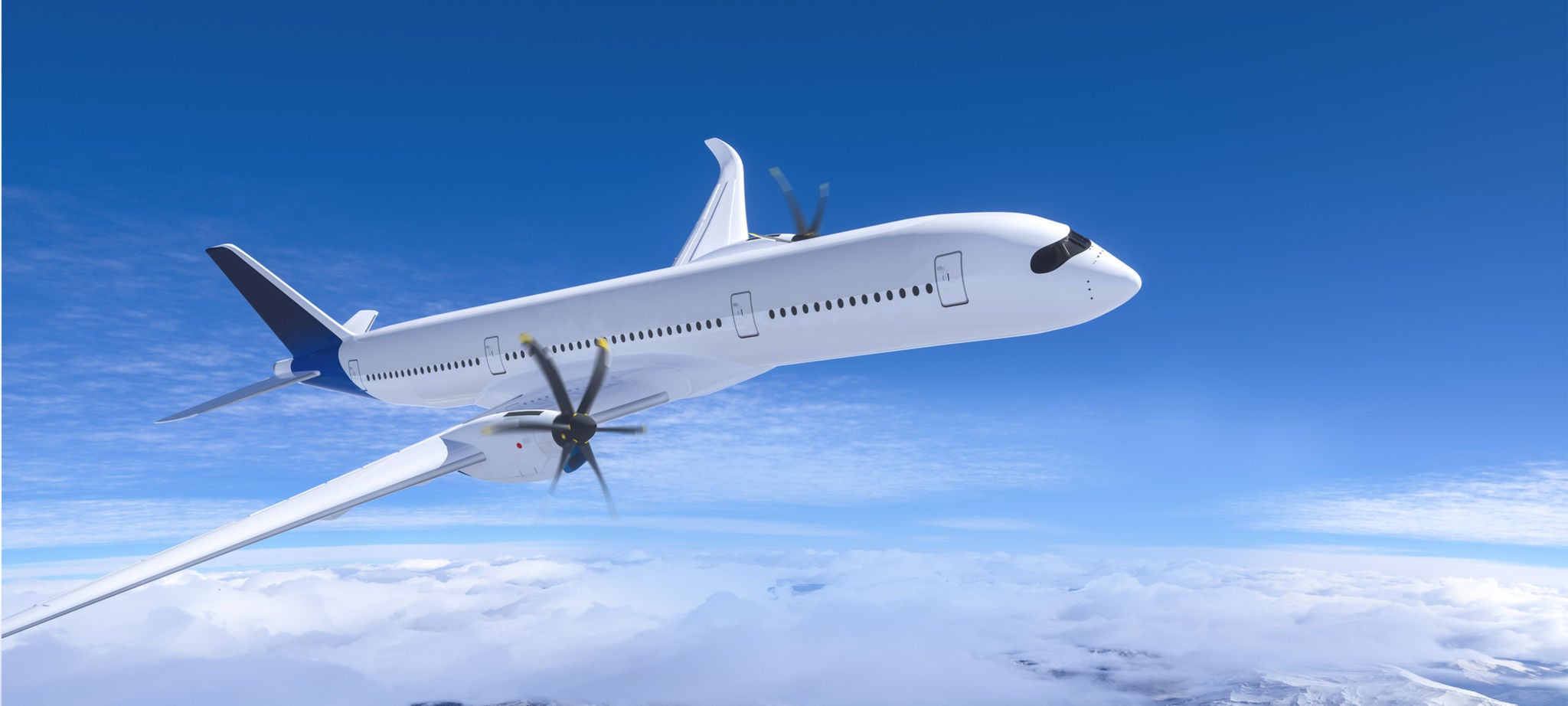
Aerospace and aviation sustainability is dependent on new technologies, with varying technological and commercial barriers to overcome. We develop technology roadmaps as a core part of all our projects – and advise clients on R&D strategy, technology adoption and transition strategy. We also recognize that technologies in development today have the ability to address both CO2 and non-CO2 effects. We have thus developed the Roadmap to True Zero, which showcases the true size of aviation's climate footprint, and provides recommendations on how to bring the entire impact to a True Zero by 2050.
For more information contact our expert Nikhil Sachdeva.
Aerospace
We work directly with OEMs and their supply chain partners in three key areas in sustainability. First, helping with product sustainability - sizing the challenge by evaluating the emissions generated by a company's products, and supporting to define a more sustainable product strategy going forward. Second, helping with supply chain sustainability - setting up the mechanisms to measure and reduce embedded emissions in the deep aerospace supply chain. Third, in holistic ESG strategies, uplifting companies' capabilities in internal governance, societal impact, alongside minimizing their environmental footprint.
For more information contact our expert Nikhil Sachdeva.
Fuels and infrastructure
SAF
and
hydrogen
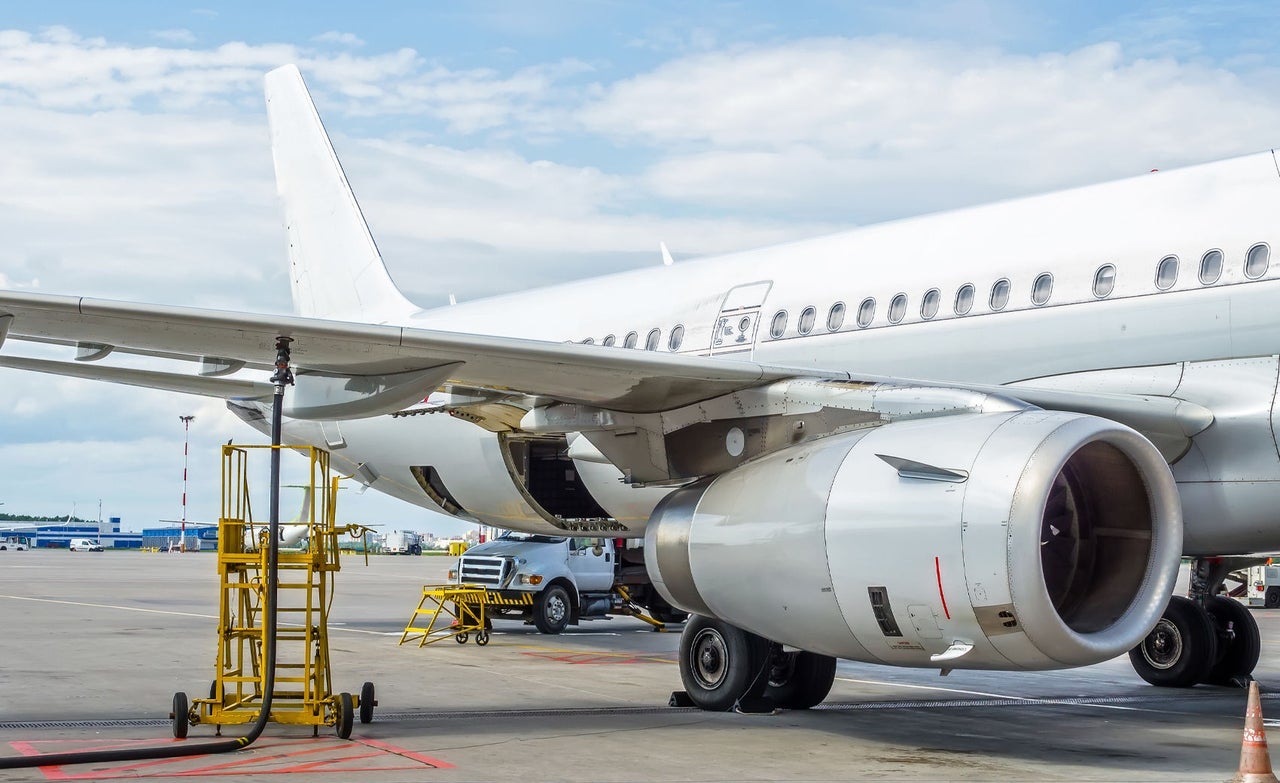
– either or possibly both – will ultimately be the fuels of aviation's future. SAFs are already in use – albeit in extremely small volumes –while new technologies are in R&D (for example, hydrogen combustion engines and fuel cells). We monitor progress in the development of new fuels and hydrogen propulsion designs, focusing on the technologies and – crucially – the infrastructure necessary for their uptake.
As part of this work, we have developed models for SAF and hydrogen volumes required to power aviation into 2050, as well as likely fuel prices. We have also evaluated the energy requirements to produce these fuels in a green way, and constantly monitor regulation around the world.
For more information contact our expert Christopher Schmitt.
Market intelligence
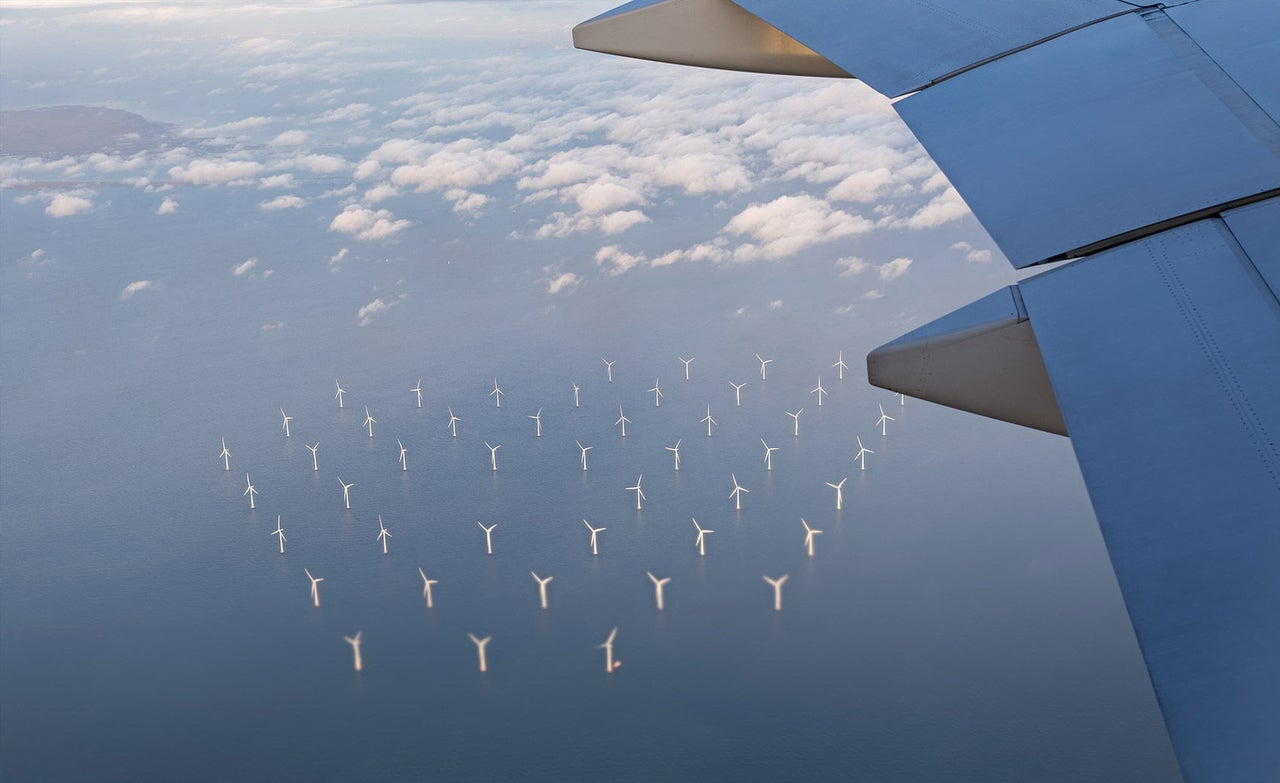
Our entire approach is data driven, and this includes producing green aviation forecasts. For example, we develop models with varying time frames for CO2 and non-CO2 (contrails, NOx etc.) emissions for individual aircraft and fleets. We also closely follow the evolution of regulatory frameworks to assess regional differences in incentives for green aviation development.
To ensure robustness, we leverage our extensive internal and external expert network, to capture detailed inputs on underlying technologies (from fuel cells to batteries), major market forecasts (from kerosene to hydrogen), and megatrends (from urbanization to digitalization).
To compare and contrast our views vs those of other forecasting bodies, we regularly
analyze and compare global and regional aviation sustainability and decarbonization roadmaps
.
For more information contact our expert Nikhil Sachdeva.
Regional air mobility
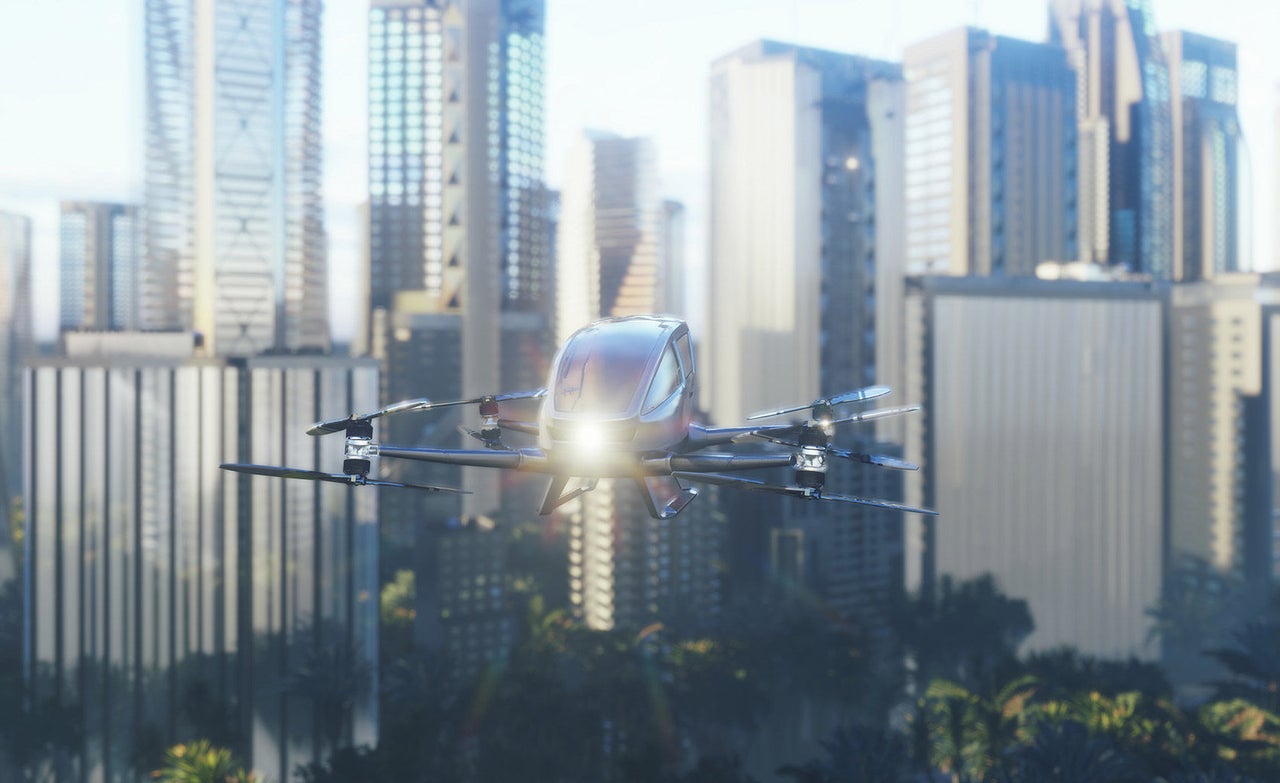
The development of small, sustainably powered air taxis and cargo aircraft with vertical take-off and landing capabilities is transforming the aerospace industry – and could be a major decarbonization lever for replacing both existing aircraft but also ground transportation. We work with leading
urban air mobility
(UAM) players to forecast the development and adoption of sustainable, longer-range
regional air mobility
(RAM) technologies.
We also monitor RAM/UAM regulations and projects around the world, and collaborate with leading institutions to produce studies on new technologies and business cases for RAM.
For more information contact our experts Stephan Baur or Nikhil Sachdeva.