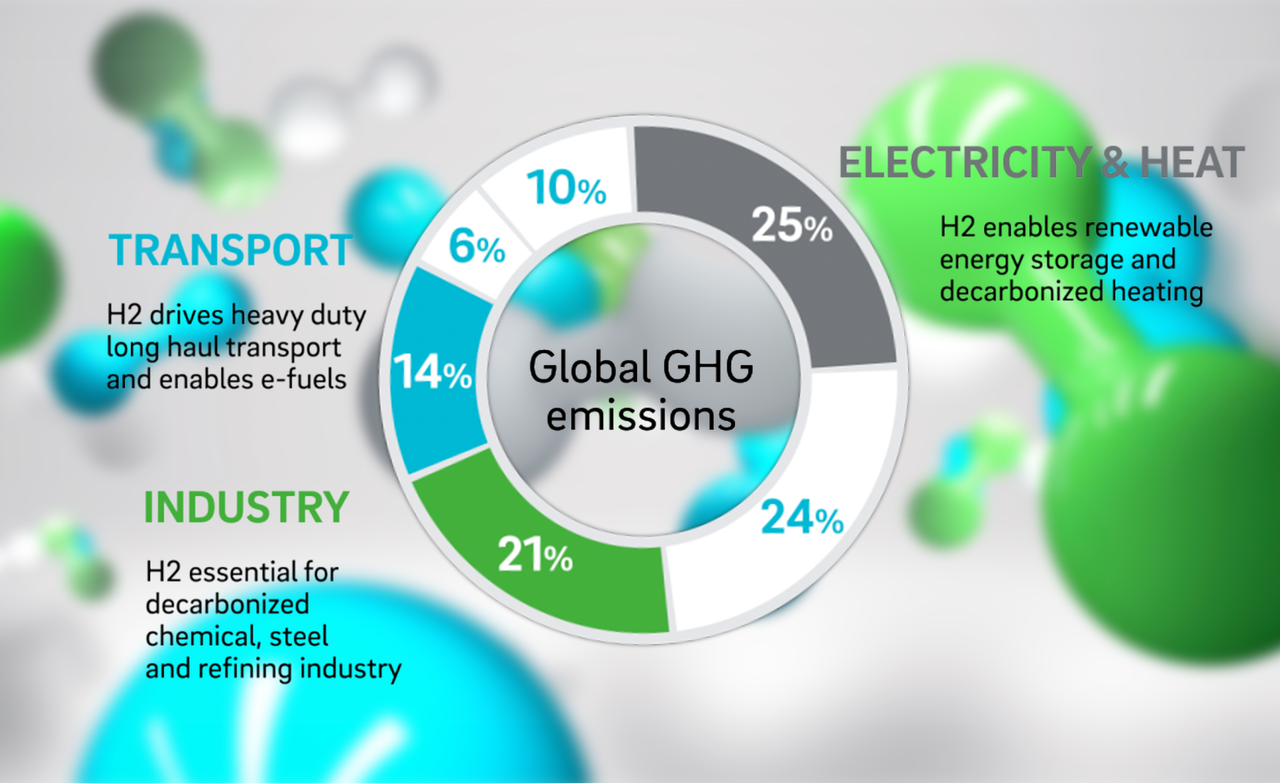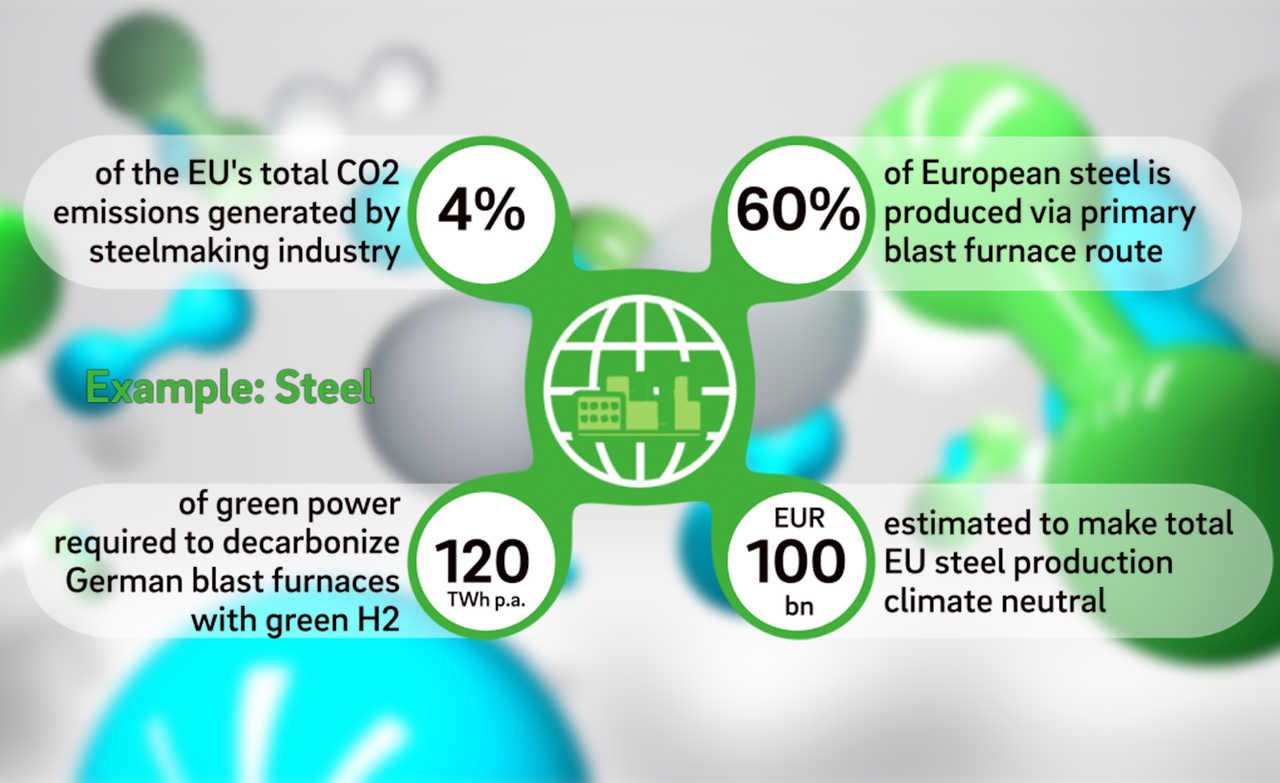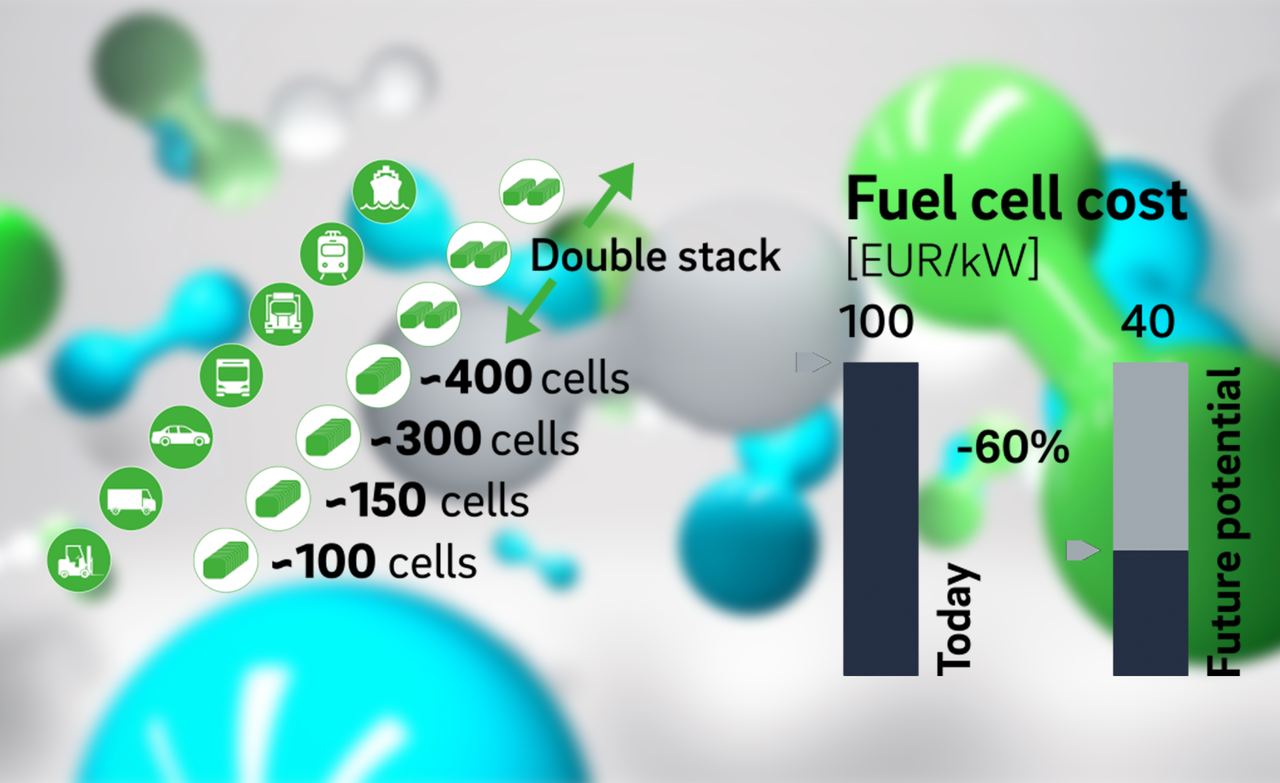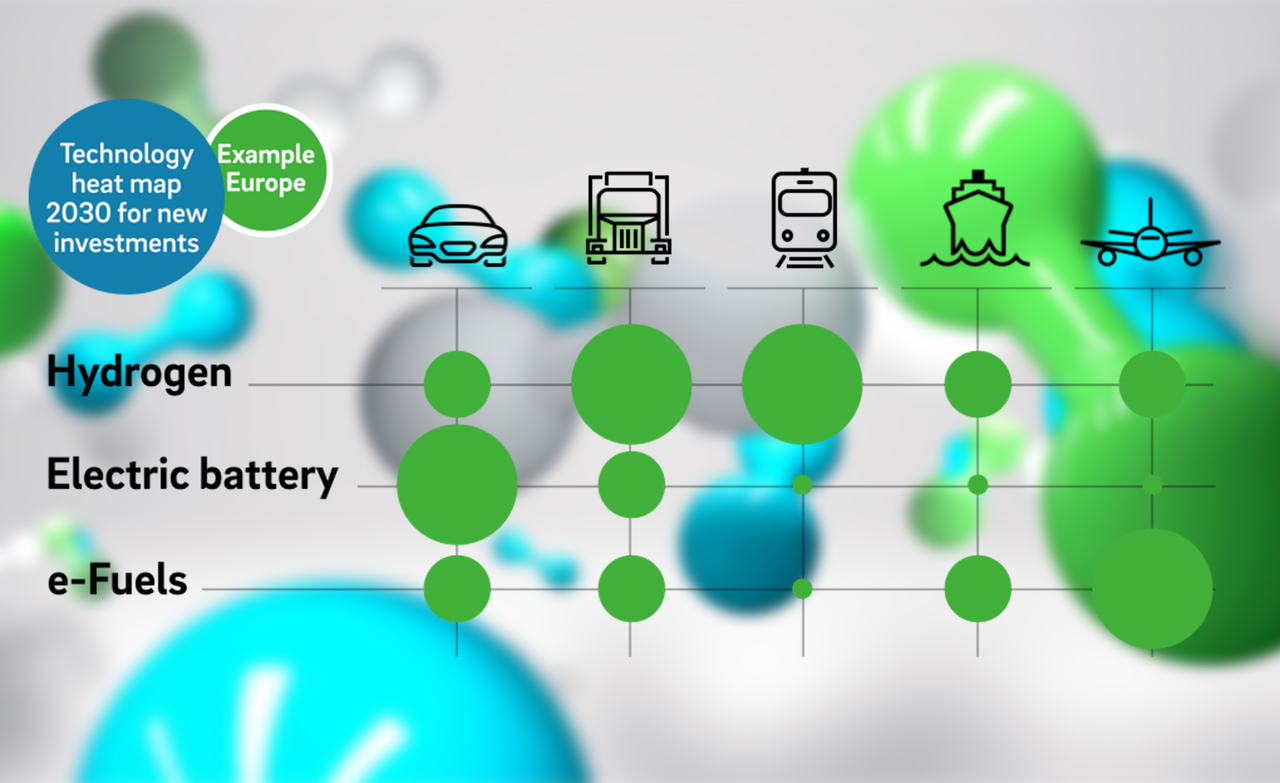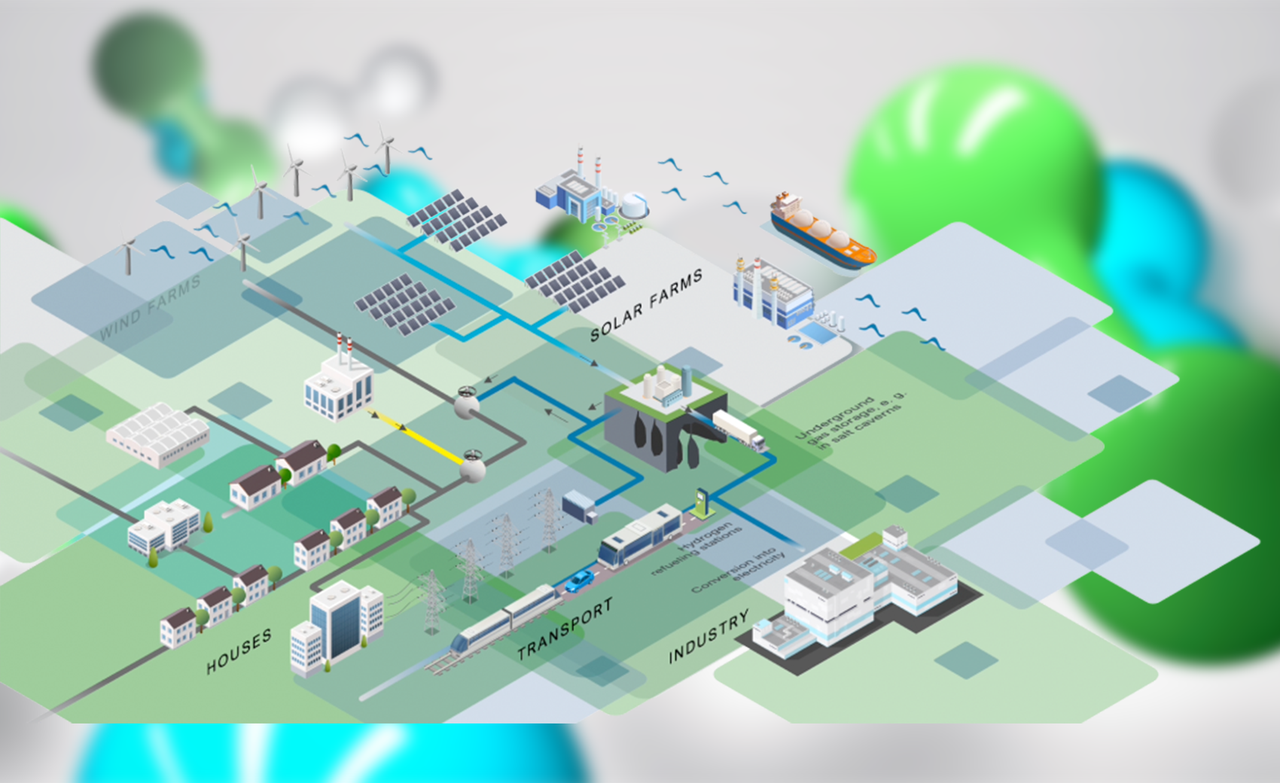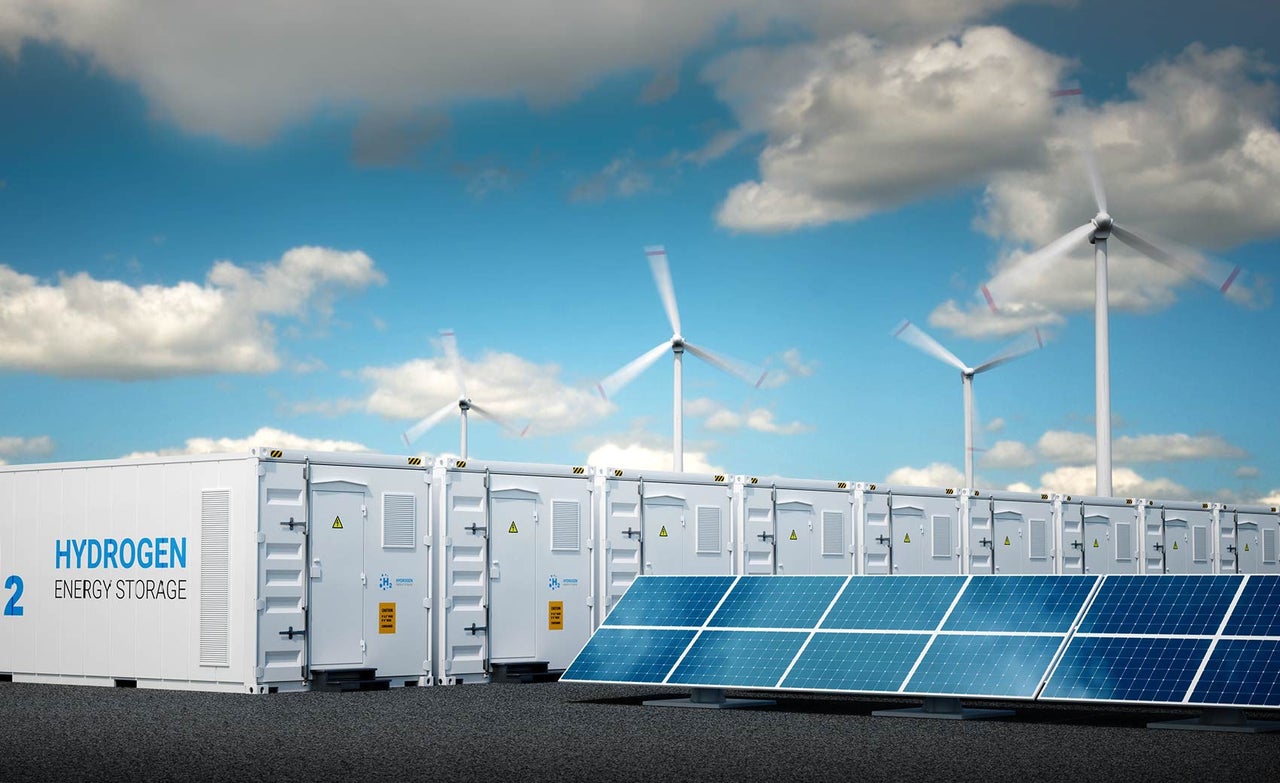



There is almost universal consensus that hydrogen (H2) and fuel cells are indispensable to any transition to a climate-friendly economy – especially where other ways to reduce greenhouse gases fail to measure up. While rechargeable batteries are a very efficient option for passenger cars, for example, they are simply too heavy for long-distance haulage. As a way to decarbonize branches of industry such as steel and chemicals , H2 is also essential for reducing feedstock and process-related CO2 emissions. Moreover, hydrogen and the synthetic energy carriers produced from it (power-to-X) will play an important role as storage media in any electricity system that is rooted in renewable energy sources .
Hydrogen’s share of the global energy mix could well be over 20 percent 30 years from now. And although there is obviously no guarantee that hydrogen and fuel cells will earn companies money, opportunities are coming thick and fast. Now is therefore the time to evaluate the potential and not miss the optimal point of entry. Good strategies must likewise be mapped out, as the risk of bad investments is heightened among so much hype. It is thus vital to conduct solid analysis and run through scenarios from financing to partnership approaches.
Do you need valid answers to these and other questions about the future of the hydrogen business? Are you looking to strategically position your company? Then you have come to the right place! Roland Berger has been advising customers on issues surrounding hydrogen and fuel cells for over ten years. Our expertise covers everything from crafting political concepts for governments and associations to developing strategies for all relevant sectors of industry (energy, transport, steel, chemicals and finance). We look forward to hearing from you!