Agility in government
Agility in government is the ability of an organization to respond quickly and effectively to changing circumstances. It is a mindset that emphasizes flexibility, adaptability, and collaboration. Agile governments are known for delivering high-quality services to their citizens while being strategic, adaptive, and responsive.
The need for government agility arises from several key factors in our BANI (Brittle, Anxious, Non-linear, and Incomprehensible) world.
Firstly, in policy-making, the brittle nature of modern systems means that technologies and business models, though seemingly stable, can fail unexpectedly, creating sudden and significant challenges for defining specific duties and goals. Governments must adapt policies continuously and embed resilience to manage these fragile elements effectively.
Secondly, in policy monitoring, the anxiety produced by constant change and data influx can make maintaining consistency in metrics challenging. As governments gain real-time insights through technologies like sensors, they must design adaptive monitoring frameworks that mitigate uncertainties, ease stakeholder anxieties, and foster trust in data-driven governance.
Thirdly, in policy enforcement, the non-linear relationships between interconnected systems complicate the identification of responsible parties. Issues often arise from complex system interactions or autonomous AI decisions, where traditional enforcement mechanisms struggle to keep pace. Agile governance models are essential for adapting swiftly to these unexpected, non-linear challenges, ensuring accountability in a complex landscape.
Fourthly, in geographical jurisdiction, the incomprehensible nature of global cyberspace interactions complicates citizen protection across borders. Agile governance provides the flexibility to navigate cross-border complexities, offering innovative, comprehensive approaches that effectively address the unpredictability of interconnected digital ecosystems and protect citizens’ interests.
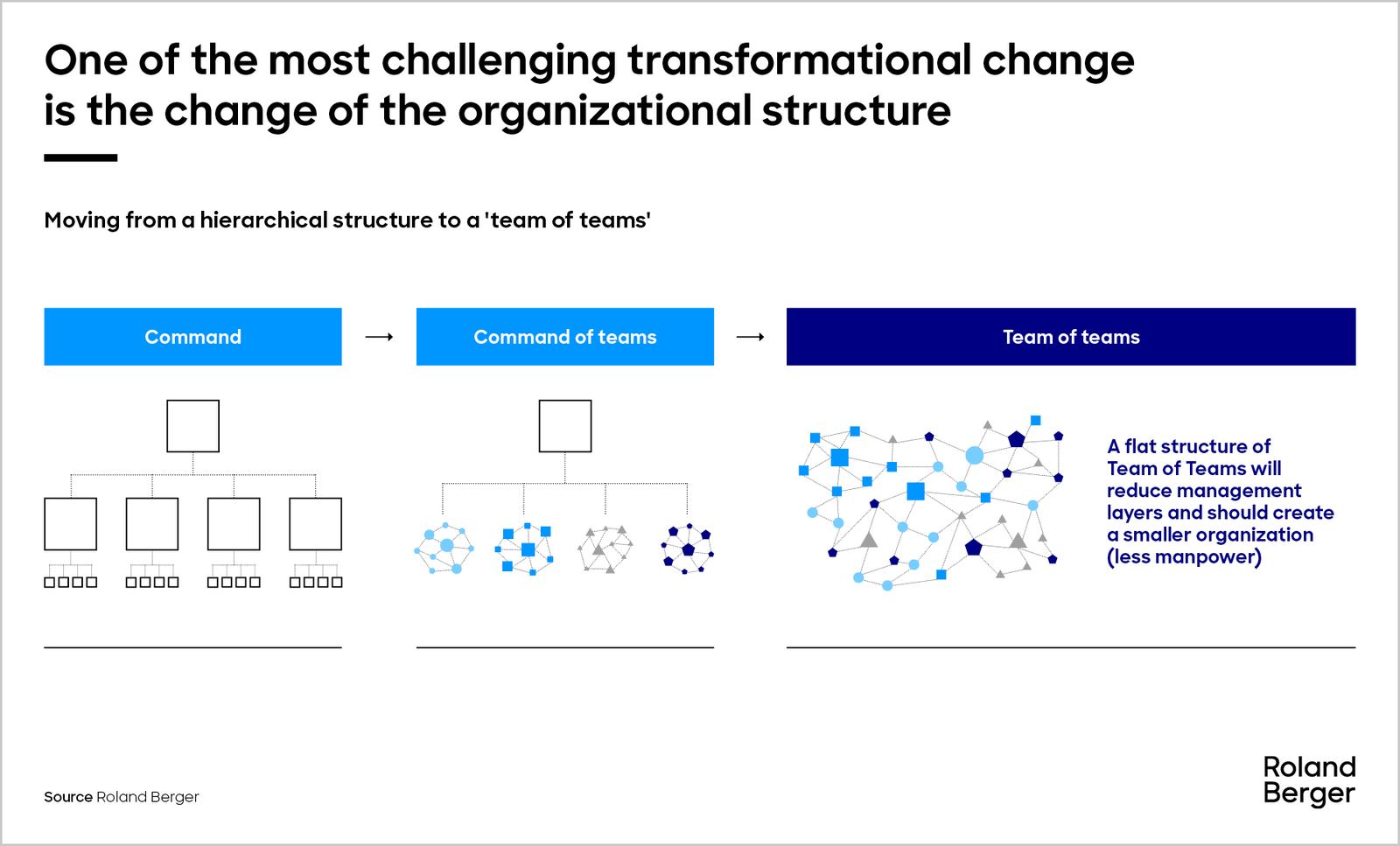
Lastly, traditional government structures, often siloed, struggle to address complex, multi-dimensional challenges like Mobility as a Service (MaaS), where non-linear interactions occur across transportation, telecommunications, payment, and privacy systems. Agile models facilitate cross-functional, collaborative approaches, equipping governments to respond to multifaceted, increasingly incomprehensible challenges in their scope and interdependencies.