Where leading companies are investing now
1. Simplifying complexity
SKU proliferation drives up cost, confuses operations, and slows time to market. The best players are taking a scalpel to the portfolio. One client reduced its SKUs by 45% and saw a significant EBITDA improvement.
Just as important, leading companies are re-evaluating how products are specified in the first place—challenging over-specification, aligning engineering targets with real customer value, and streamlining requirements across platforms. When specification discipline improves, so does cost performance—without compromising quality or market relevance.
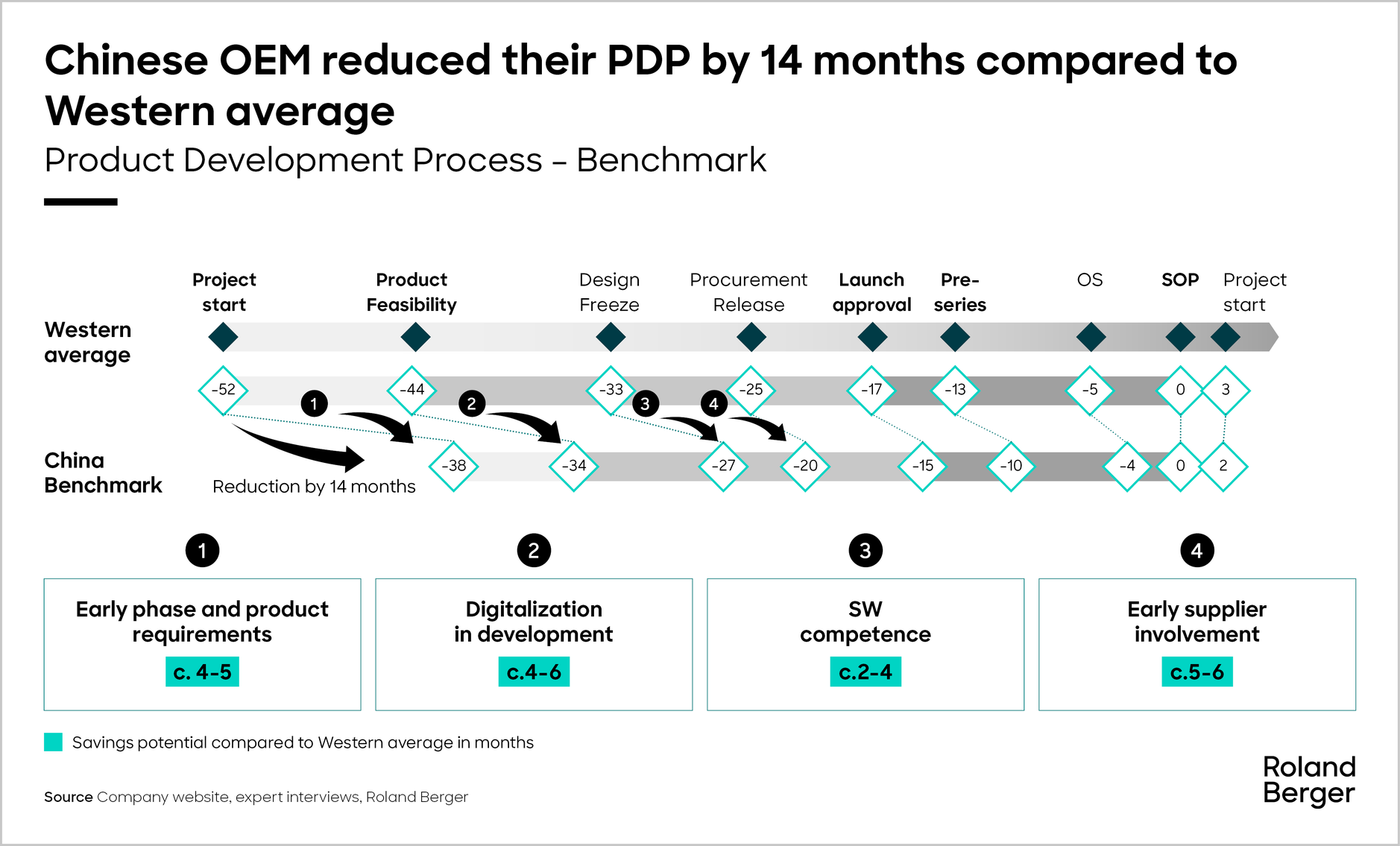
2. Digitizing the engineering workflow
Digitally integrated engineering environments—powered by cohesive PLM functionalities, simulation platforms, and now, generative AI—are transforming development timelines and outcomes.
3. Resetting the talent and capability base
The future of engineering requires new skills, including AI and software, systems integration, cybersecurity, and cost-centric design. CTOs must rethink not just hiring, but how teams are organized to deliver impact.
From fragmented cost cuts to strategic rewiring
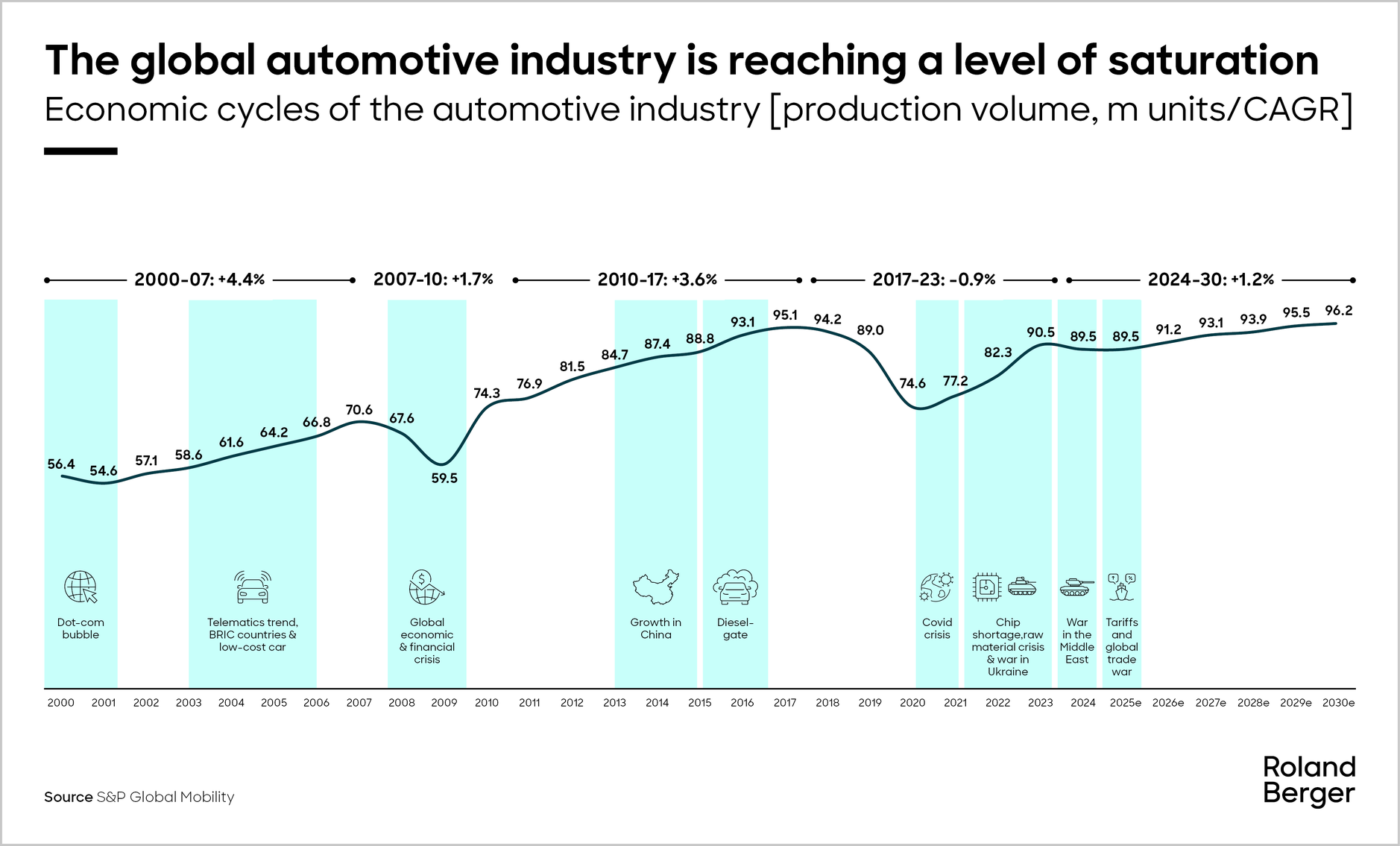
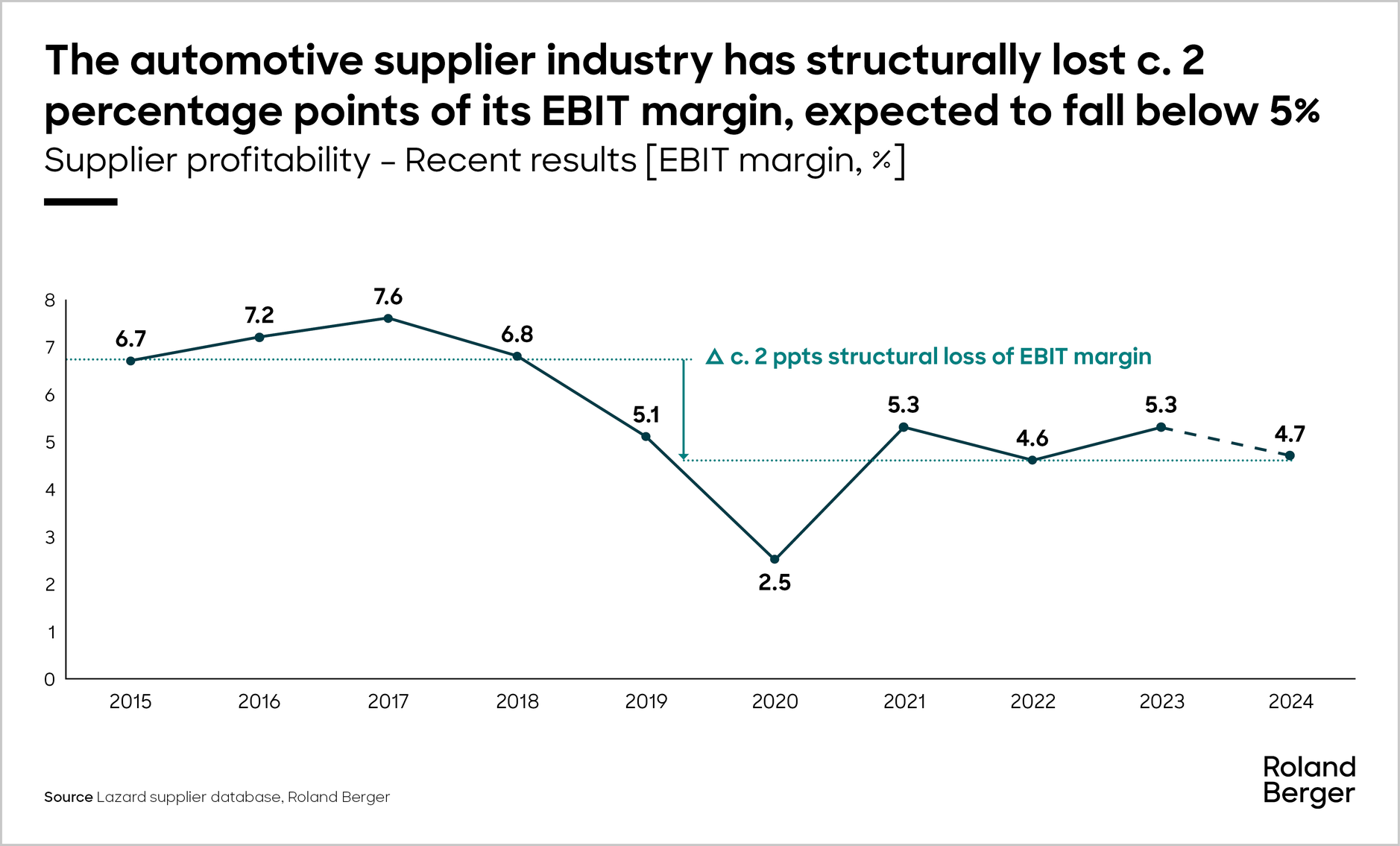
The stakes have never been higher. Capital is more expensive. The industry is at a turning point. And the pressure to deliver smarter, faster, and leaner has shifted from a boardroom topic to a survival strategy.
Here’s the good news: cost performance doesn’t have to come at the expense of innovation. In fact, the opposite is true. Engineering Excellence is the path to both.
The untapped potential lies in engineering.
How products are specified, developed, validated, and delivered—this is where the real leverage lies.
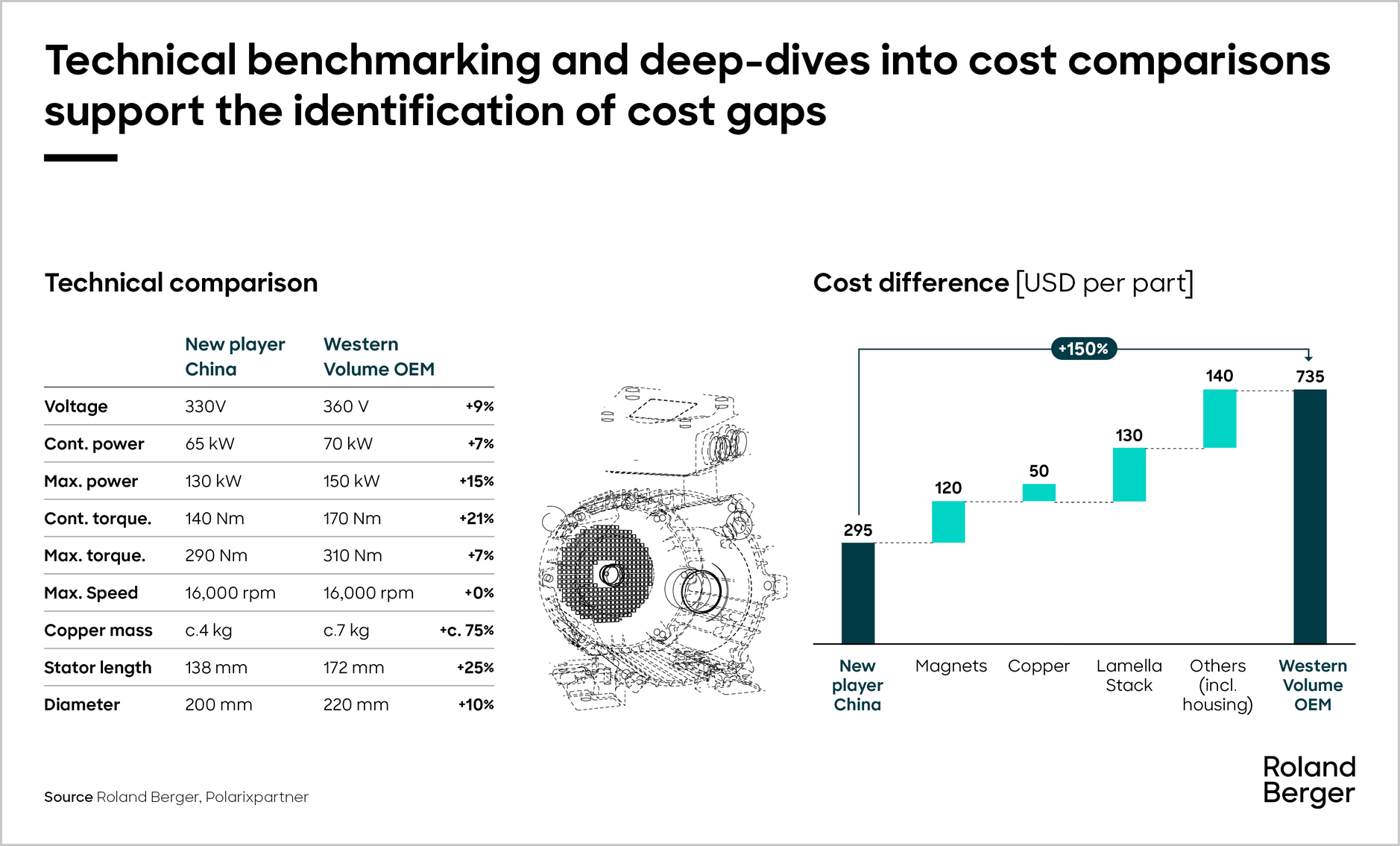
At Roland Berger, we believe cost performance and engineering performance are inextricably linked. And yet, too often, product development decisions are made in silos, disconnected from what the market truly values or what customers are willing to pay for. The result? Overengineered solutions, missed cost targets, and significant differences in bill-of-material (BOM) costs for comparable products.
We work with clients to bridge that gap, building what we call Engineering Excellence: a holistic framework that touches every aspect of the broader development process.
It includes:
- A clear engineering strategy aligned with product and platform vision, as well as overall business goals and objectives
- Agile development and project management models that deliver in less time and with fewer resources
- Organizational enablers—from skills and talent to tools and culture
When done right, it doesn’t just reduce cost. It increases speed, boosts product quality, and makes the organization far more resilient.
For senior leaders, the imperative is clear: elevate engineering to a board-level agenda, drive transparency across the development process, and focus relentlessly on value—not just features. Capturing the full value of engineering transformation demands more than operational fixes—it requires strategic alignment from the top.
Roland Berger would like to thank Jan Schulte for his contribution to this article. Jan Schulte is the Managing Director North America for
Polarixpartner , a Roland Berger company.